
The War Will End With a Hormuz Toll Booth
When the Iran war ends, the United States and Israel will declare victory and move on. Iran will likely do the same. It will frame the airstrikes on Kharg Island, the destruction of Iranian naval assets, and the killing of Supreme Leader Ali Khamenei as the price it paid for standing up to U.S.-Israeli aggression. But airstrikes and destroyed naval assets will not address the economic damage Iran has absorbed. Tehran will be left with shattered infrastructure, an economy in freefall, and a political class that needs to show its population that it has extracted something tangible from the war.
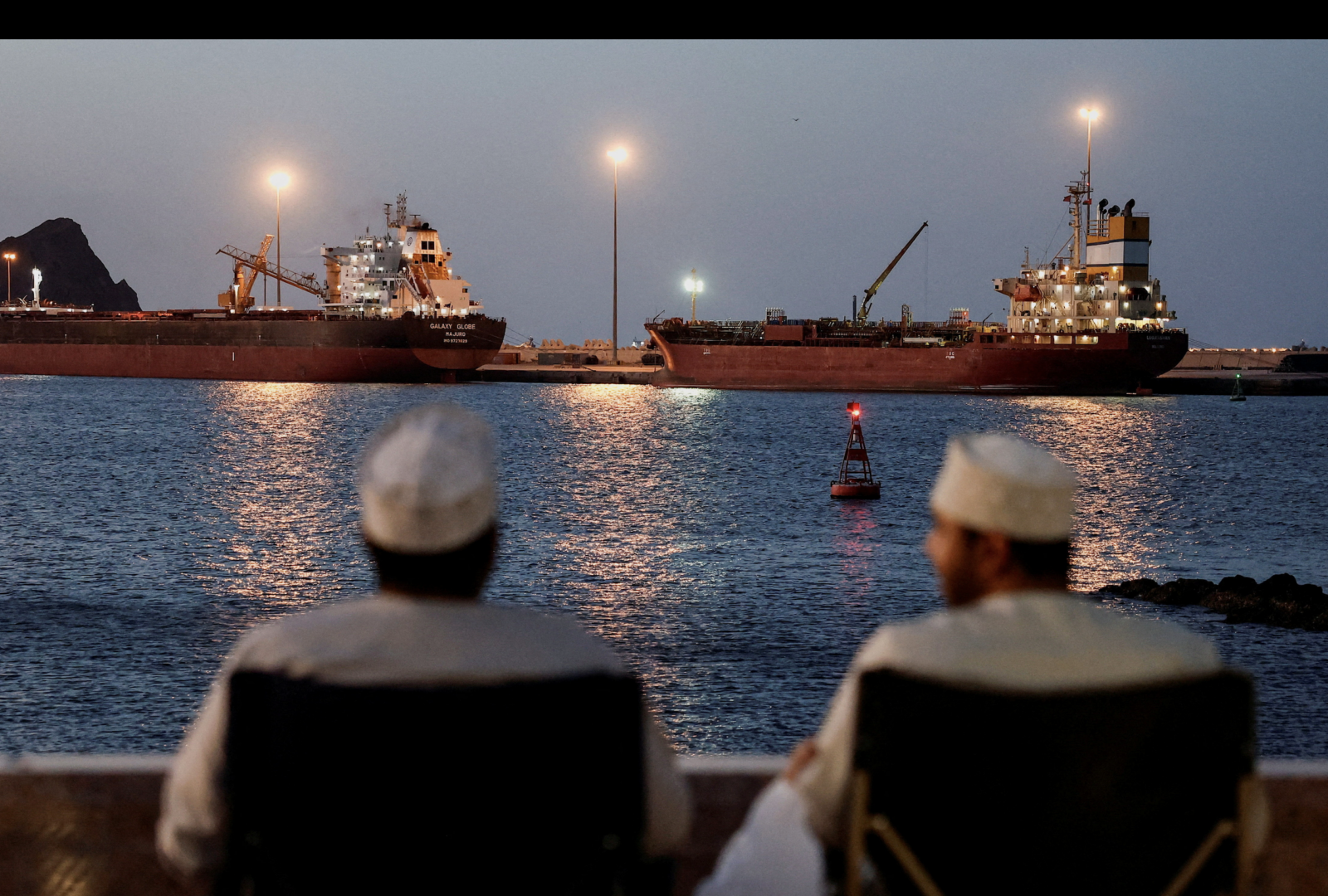
Most of Tehran’s demands to end the war are maximalist, as are Washington’s right now. One of Iran’s demands may be achievable if structured correctly: the right to operate the Strait of Hormuz as a tolled waterway, in formal partnership with Oman.
This is not a fantasy. Iran’s parliament is already debating legislation to collect transit fees from ships passing through the world’s single-most important maritime chokepoint. Since mid-March, the Islamic Revolutionary Guard Corps (IRGC) has turned the strait into a de facto toll booth, collecting fees in exchange for safe passage. According to Bloomberg at least two vessels had paid in yuan as of early April, with one transit brokered through a Chinese maritime services intermediary; vessel tracking data show transits have increased since, though the total paying in yuan remains a small fraction of pre-war traffic. The mechanism exists, but would a postwar Iran have the diplomatic wherewithal to formalize it?
The legal terrain is complicated but not insurmountable. Under international law, the entire width of the strait at its narrowest point consists of the overlapping territorial seas of Iran and Oman, with no high seas’ corridor between them. Iran cannot unilaterally charge a toll on ships hugging the Omani coastline. However, a bilateral Iran-Oman transit authority would eliminate the legal ambiguity. Oman gets a revenue stream and more strategic relevance. Iran gets legitimacy, cash, and something to show its people it achieved during the war. Ships get a predictable process instead of IRGC commanders deciding by whim who passes, who doesn’t, and an unpredictable pricing mechanism.