
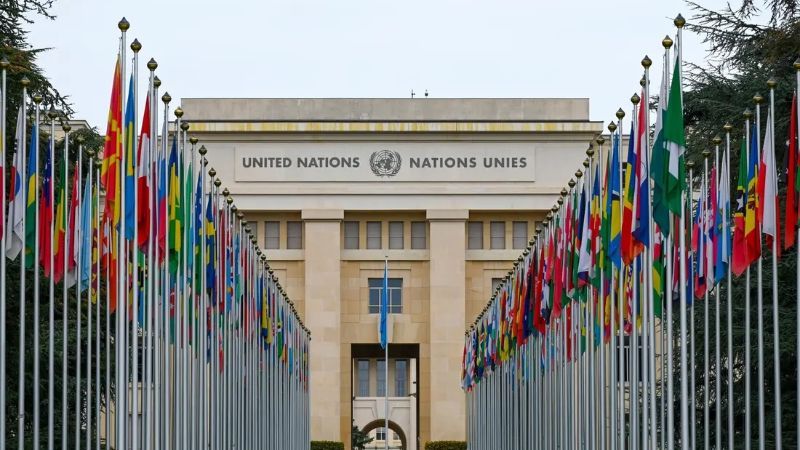
It’s Possible to Fix the United Nations
International order is not the absence of conflict, nor is it the rigid defense of the status quo. Rather, it is the existence of predictable mechanisms to manage inevitable disagreements. And the primary mechanism tasked with upholding international peace and security—the United Nations Security Council (UNSC)—is no longer fit for purpose.
The UNSC still resembles the world of 1945, giving privileged status to the victors of World War II and the holders of colonial empires. Without reform to give rising and middle powers a status commensurate with their growing influence, states will eventually see more sense in pursuing their security interests unilaterally or through exclusive, destabilizing blocs. For now, with a few notable exceptions, states remain committed to speaking the language of multilateralism. But make no mistake: Reforming the UNSC is not a matter of aesthetics or desirability; it is an absolute necessity.
Three dynamics have held up reform. But each may be slowly giving way, creating a rare window for genuine change.
The first and most commonly cited obstacle is the Security Council’s five permanent veto-wielding members, or P5—the United States, China, Russia, France, and the United Kingdom. The P5 countries are wary of admitting rising powers as fellow veto wielders, as it would diminish their own influence in the body and make it more susceptible to deadlock.
Related
The Rules-Based Order Is in Crisis: What Comes Next?
Over three webinars, we discuss proposals that came out of the Better Order Project, a project that brought together more than 130 experts, scholars, and practitioners from over 40 countries to help rejuvenate and stabilize the international order.
Will Carney’s Davos Speech Help Build a Better International Order?
A conversation with David Lametti, Ambassador and Permanent Representative of Canada to the United Nations in New York.