
A Post-US Regional Order? The Shifting Security Architecture in MENA Amid the Iran War
This event is co-sponsored with Arab Center Washington DC.
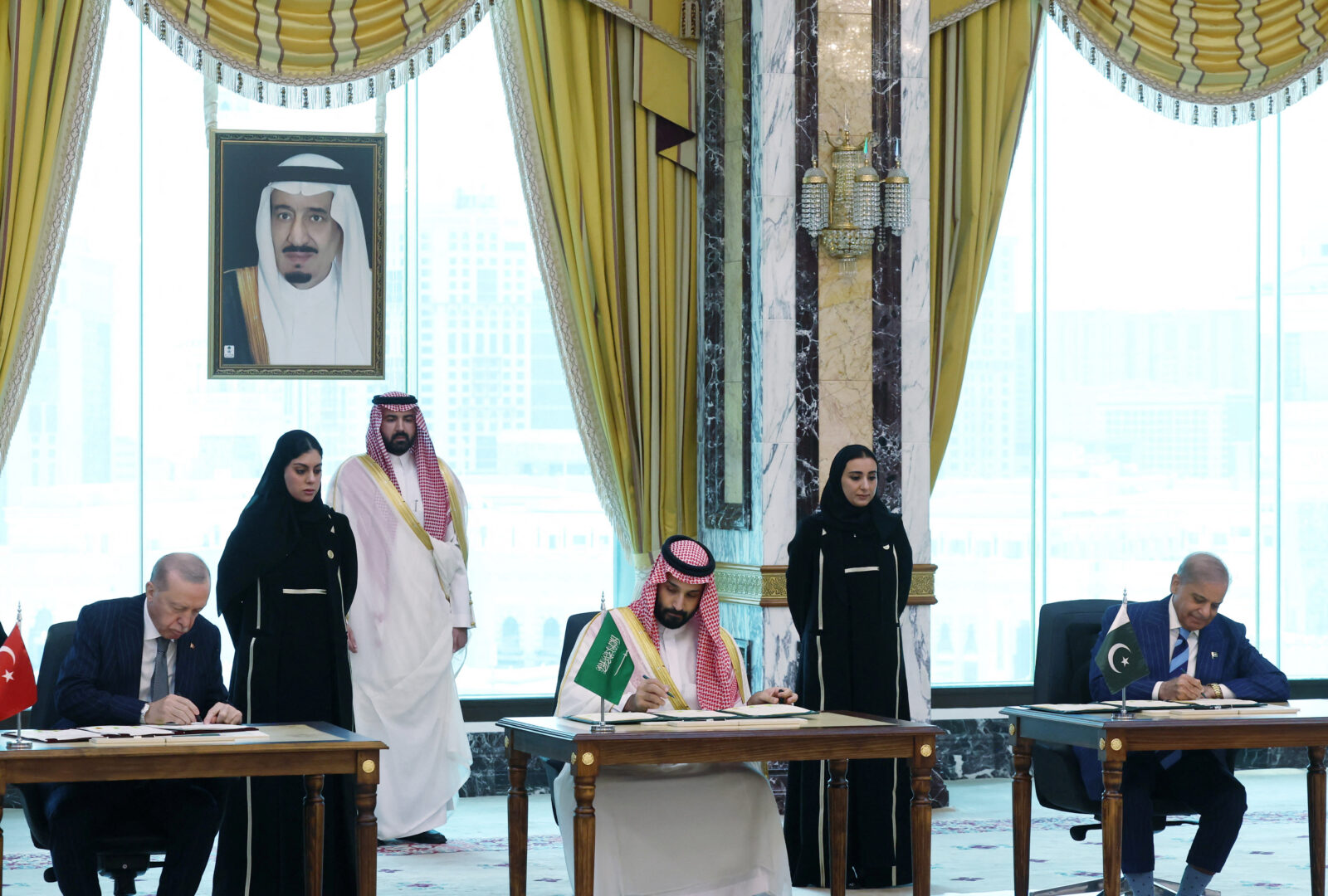
Since February 28, the US-Israel war on Iran has reshaped the Middle East’s security landscape, intensifying longstanding questions about regional security arrangements and reliance on US security guarantees, especially among the Gulf states. In July, Saudi Arabia and 13 other countries announced the creation of a maritime military alliance to safeguard freedom of navigation through vital waterways like the Bab al-Mandeb Strait, the Red Sea, Strait of Hormuz, Arabian Sea, and the Gulf of Aden. On August 7, Saudi Arabia, Turkey, and Pakistan signed the Mecca Joint Defense Agreement, under which an armed attack on one country would be considered an attack on all three. The pact signals the beginning of a new regional security architecture, and may eventually include other regional states, with Egypt now considering joining.
The panel will address several key questions, including: How significant is the Mecca agreement beyond symbolism and what could it mean for future conflicts? Can this new order restrain both Iran and Israel’s military postures across the region? Is a new order emerging with Saudi Arabia as its center of gravity? How might other states, including Egypt and Jordan, respond to these shifting alignments? Will these emerging arrangements reduce countries’ dependence on US security guarantees, or will they primarily supplement existing partnerships with Washington? And what strategic calculations is the United States considering, including the future of US military bases in the region?
The conversation featured Trita Parsi, executive vice president at the Quincy Institute, Shana Marshall, non-resident fellow at the Quincy Institute, Yasmine Farouk, project director of the Gulf and Arabian Peninsula at the International Crisis Group, and Waleed Hazbun, professor of Middle East Studies at the University of Alabama. Tamara Kharroub, deputy executive director at Arab Center Washington DC, will moderate.
The discussion took place on Tuesday, September 1st from 11:00 AM – 12:30 PM ET.
Panelists
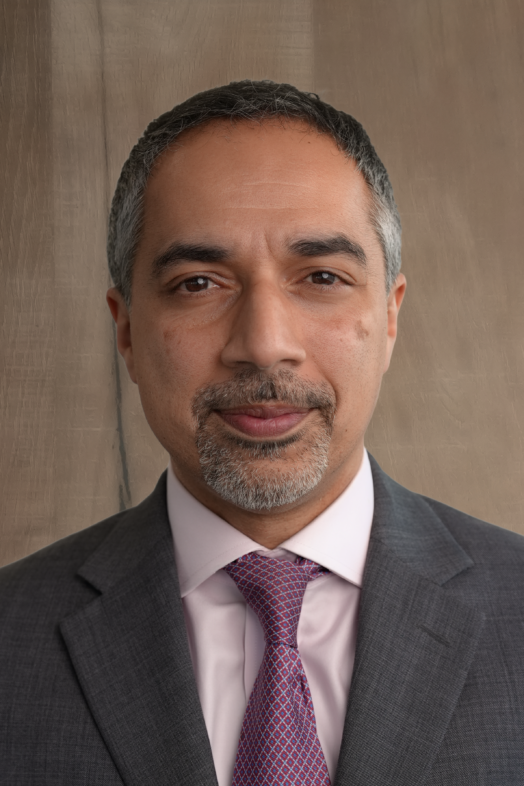
Trita Parsi
Trita Parsi is co-founder and executive vice president of the Quincy Institute. He is an award-winning author and the 2010 recipient of the Grawemeyer Award for Ideas Improving World Order. He is an expert on US-Iranian relations, Iranian foreign policy, and the geopolitics of the Middle East. He has authored four books on US foreign policy in the Middle East, with a particular focus on Iran and Israel. He has been named by the Washingtonian Magazine as one of the 25 most influential voices on foreign policy in Washington DC for five years in a row since 2021. His first book, Treacherous Alliance: The Secret Dealings of Iran, Israel and the United States (Yale University Press, 2007), won the silver medal winner of the 2008 Arthur Ross Book Award from the Council on Foreign Relations.
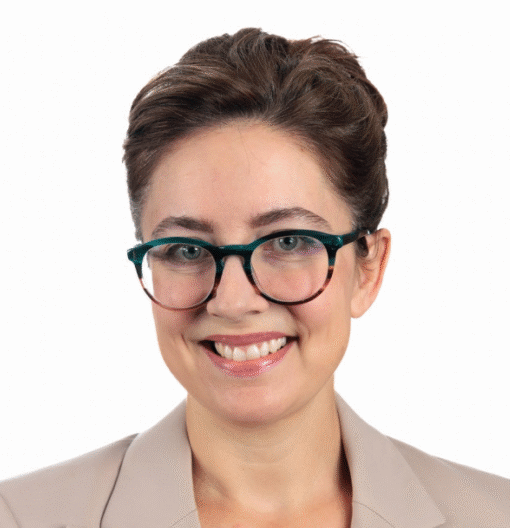
Shana Marshall
Shana Marshall is a non-resident fellow at the Quincy Institute and associate director of the Institute for Middle East Studies at the George Washington University’s Elliott School of International Affairs. She is the current chair of the editorial committee of the Middle East Research & Information Project/MERIP and part of the Arab Studies Institute’s Political Economy Project. She is a member of the Forum on the Arms Trade and the financialization & militarization working group with Security in Context. Her primary interests include the global military industrial complex, U.S. foreign policy, and the political economy of militaries in the Middle East.
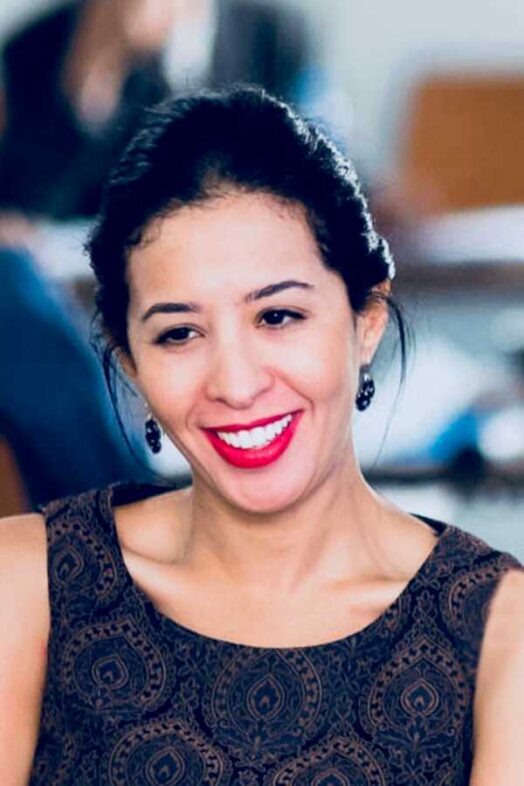
Yasmine Farouk
Yasmine Farouk is the Gulf and Arabian Pensinsula Project Director at International Crisis Group. She studied political science at Cairo University, Sciences Po Paris and was a Fulbright fellow at Yale University. Prior to joining Carnegie, Farouk was based in Egypt, where she taught political science. She previously worked at the office of the Egyptian prime minister after the 2011 revolution, supporting civil society participation in the national dialogue and constitutional processes. From 2016 to 2017, she was the director of research at the Cairo International Center for Conflict Resolution, Peacekeeping and Peacebuilding, a think-tank and training centre affiliated with the Egyptian Ministry of Foreign Affairs.
Waleed Hazbun
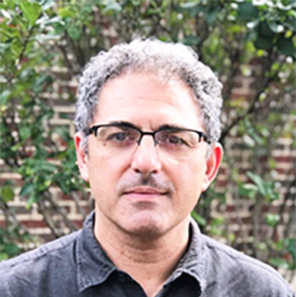
Waleed Hazbun is Richard L. Chambers Professor of Middle Eastern Studies in the Department of Political Science at the University of Alabama. After earning a PhD at the Massachusetts Institute of Technology he taught international relations at Johns Hopkins University and the American University of Beirut (AUB), where he served as Director of the Center for Arab and Middle Eastern Studies (CAMES). A scholar of international tourism, Middle East geopolitics, and US foreign policy, he is author of “Beaches, Ruins, Resorts: The Politics of Tourism in the Arab World” (Minnesota, 2008), co-editor of “New Conflict Dynamics: Between Regional Autonomy and Intervention in the Middle East and North Africa” (Copenhagen, 2017).
Tamara Kharroub
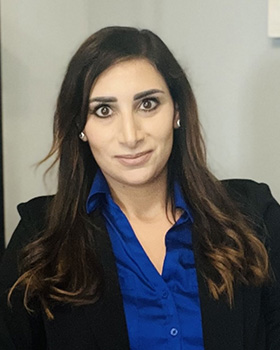
Tamara Kharroub is the Deputy Executive Director and Senior Fellow at Arab Center Washington DC. Her research work focuses on the intersection of technology and human rights in the Middle East and North Africa and on US policy toward Palestine/Israel. She publishes research and policy analysis papers and editorials exploring the role of media and communication technology in the political process including issues of digital authoritarianism, disinformation, cyber power, and AI-assisted warfare. She also works on research focusing on Palestine/Israel, human rights, identity politics, women’s rights, and US foreign policy in the Middle East and North Africa.