
Beyond Aid: How Defense Integration Could Entrench US Support for Israel
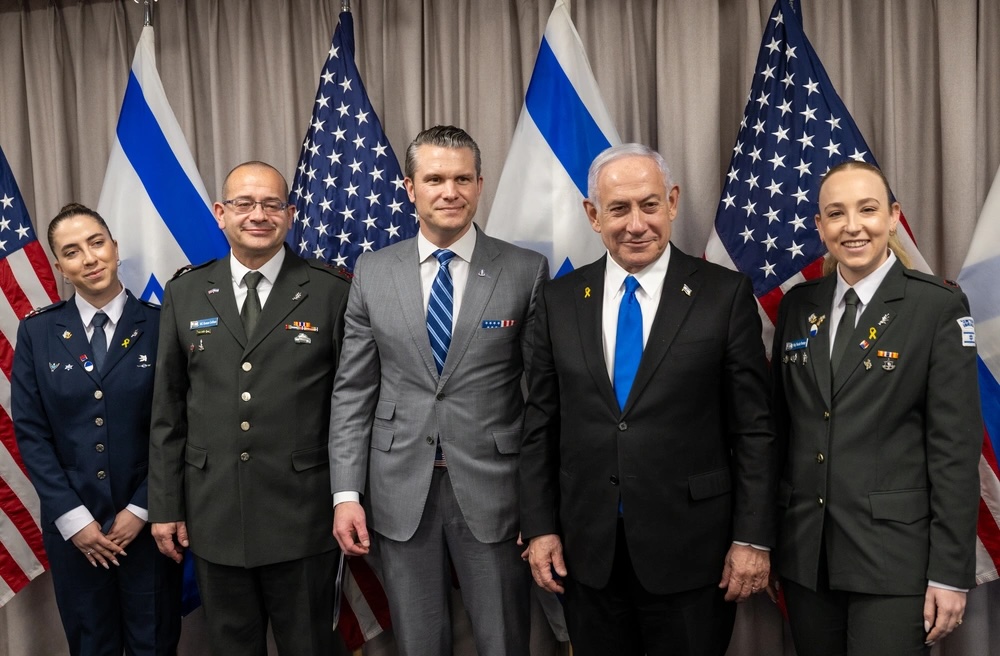
The current Memorandum of Understanding (MOU) between the United States and Israel is set to expire at the end of 2028. Discussions are already underway about what the security assistance relationship between the two countries should look like going forward. Prominent Israel officials – including Prime Minister Netanyahu – support the phasing out of US military aid, calling it a critical step towards Israel’s independence. But there is more than meets the eye. Israeli policy makers wish to pivot from security assistance towards defense integration, a transformation that could deepen the US-Israeli strategic relationship while insulating it from political oversight.
How would this reorientation alter the US-Israel strategic relationship? Are there feasible alternatives to continuing the security assistance program as it is now structured, phasing it out over time as the Israelis have publicly proposed, or shifting it toward defense integration under the auspices of the two countries’ defense establishments? Will shifting US financial support for Israel from the category of “aid” to that of “mutual readiness” stymie the growing call for ending unconditional US support for Israel?
To discuss these questions and more, the Quincy Institute held a conversation featuring Steven Simon, senior research fellow in the Middle East program at the Quincy Institute, Ben Freeman, director of the Democratizing Foreign Policy program at the Quincy Institute, and Josh Paul, human rights activist and former State Department official who resigned over the Biden administration’s Gaza policy and continued military support for Israel. Annelle Sheline, research fellow in the Middle East program at the Quincy Institute who also resigned from the State Department over Gaza during the Biden administration, moderated.
Panelists
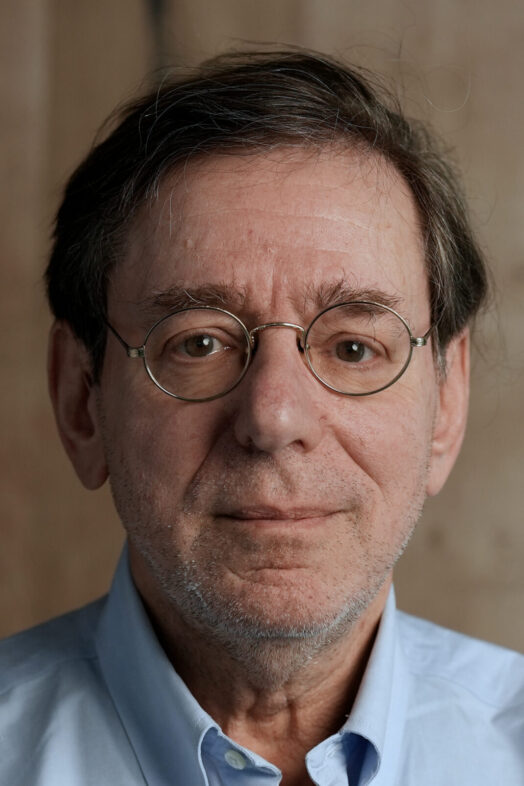
Steven Simon
Steven Simon is a senior research fellow at the Quincy Institute for Responsible Statecraft and a distinguished fellow and visiting professor at Dartmouth College. He served as the National Security Council senior director for counterterrorism in the Clinton White House and for the Middle East and North Africa in the Obama White House and in senior positions at the U.S. Department of State. Outside of government, he was a principal and senior advisor to Good Harbor LLC in Abu Dhabi and director of the Middle East office of the International Institute for Strategic Studies in Manama. Prior to this, he was deputy director of the IISS in London. He managed security-related projects at the RAND Corporation and was the Hasib Sabbagh Senior Fellow for Middle Eastern Studies at the Council on Foreign Relations.
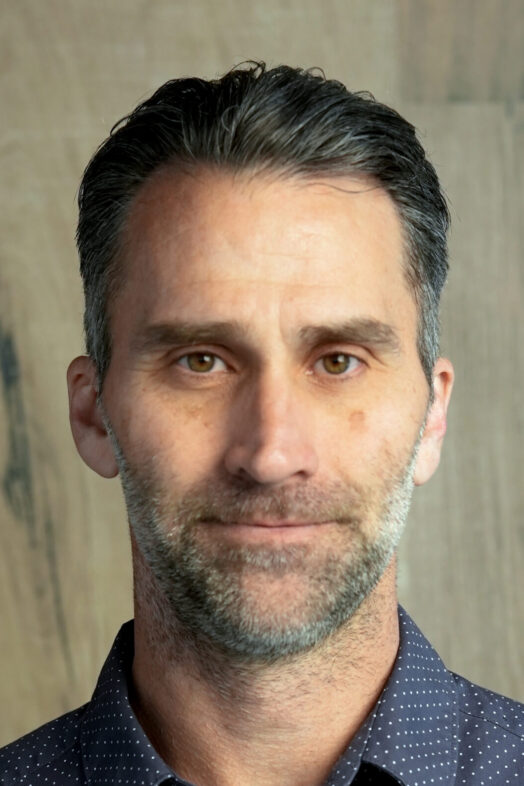
Ben Freeman
Ben Freeman is director of the Democratizing Foreign Policy program at the Quincy Institute. Ben is the co-author, with William Hartung, of the recently released The Trillion Dollar War Machine: How Runaway Military Spending Drives America into Foreign Wars and Bankrupts Us at Home. He investigates money in politics, defense spending, and foreign influence in America. He is the author of The Foreign Policy Auction, which was the first book to systematically analyze the foreign influence industry in the United States. Before joining the Quincy Institute, Ben founded the Foreign Influence Transparency Initiative at the Center for International Policy, served as Deputy Director of the National Security program at Third Way, and was a National Security Fellow at the Project On Government Oversight.
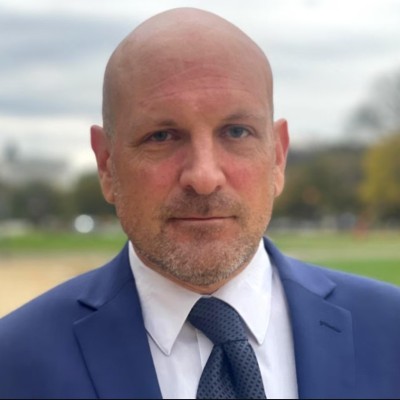
Josh Paul
Josh Paul is co-founder of A New Policy, a nonprofit lobbying organization dedicated to making American policies towards Palestine and Israel align with our national interests and reflect the best of our values. Josh resigned from the State Department in October, 2023 due to his disagreement with the Biden Administration’s decision to rush lethal military assistance to Israel in the context of its war on Gaza. He had previously spent over 11 years working as a Director in the Bureau of Political-Military Affairs, which is responsible for U.S. defense diplomacy, security assistance, and arms transfers. He previously worked on security sector reform in both Iraq and the West Bank, with additional roles in the Office of the Secretary of Defense, U.S. Army Staff, and as Military Legislative Assistant for a Member of the House Armed Services Committee.
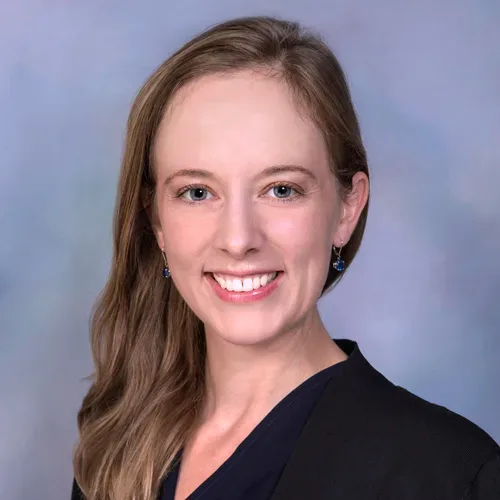
Annelle Sheline
Annelle Sheline, Ph.D., is a research fellow in the Middle East program. She previously served as a Foreign Affairs Officer at the U.S. Department of State’s Bureau of Democracy, Human Rights, and Labor’s Office of Near Eastern Affairs (DRL/NEA), before resigning in March 2024 in protest over the Biden administration’s unconditional support for Israeli military operations in Gaza. Her book “Weaponizing Tolerance: Arab Monarchies and American Support for Moderate Islam” will be published by Cambridge University Press in 2027. She is a senior non-resident fellow at the Arab Center of Washington DC, a non-resident fellow at Rice University’s Baker Institute for Public Policy, and an adjunct faculty member at Georgetown University. She holds a Ph.D. in political science from George Washington University.