
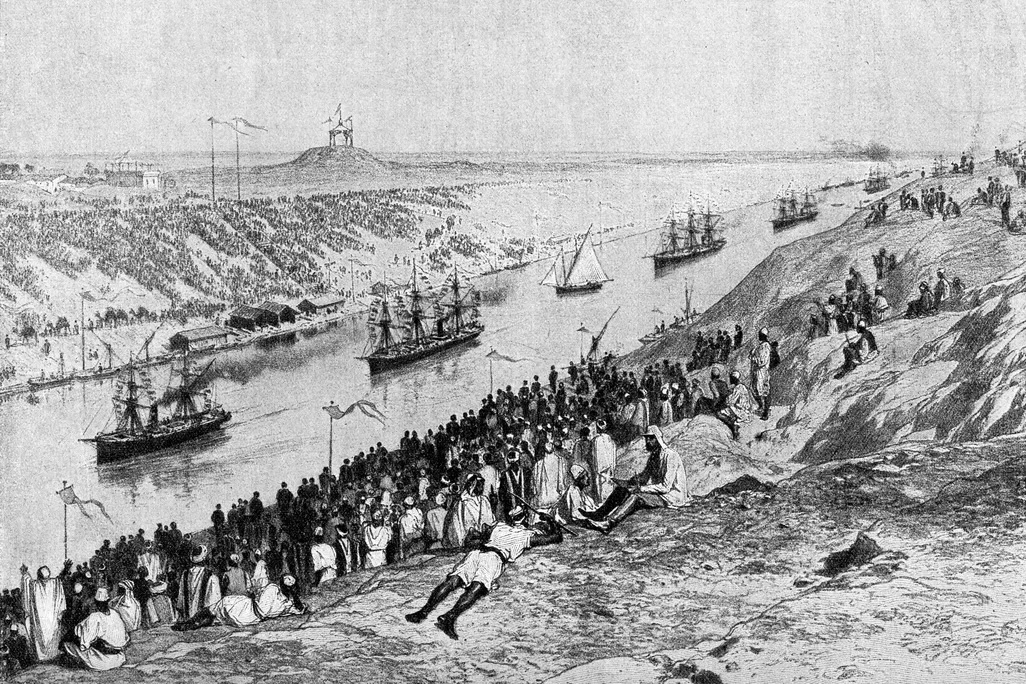
Book Talk | 1873—The Rothschilds, the First Great Depression, and the Making of the Modern World
What can the turmoil of the first age of globalization tell us about the present?
Liaquat Ahamed, who won the Pulitzer Prize in 2010 for The Lords of Finance, his masterful financial and geopolitical history of the 1920s, now turns his eye to the 1870s. The “title-year” 1873 was marked by a dramatic market crash and onset of a depression in the United States. The decade also saw dramatic expansion of investment capital flowing first into and then out of Latin America. Ottoman Turkey and Egypt were other big borrowers whose experience was marked not just by financial shocks but by a substantial loss of political control to their creditors. And as in more recent times, the world saw technological advances that knitted the global economy together; great power rivalries against a backdrop of formal and informal empire; and heated monetary controversies as financial boom/bust cycles were followed by virulent political backlash.
Karthik Sankaran, senior research fellow in Geoeconomics at the Quincy Institute, spoke with the author.
Panelists
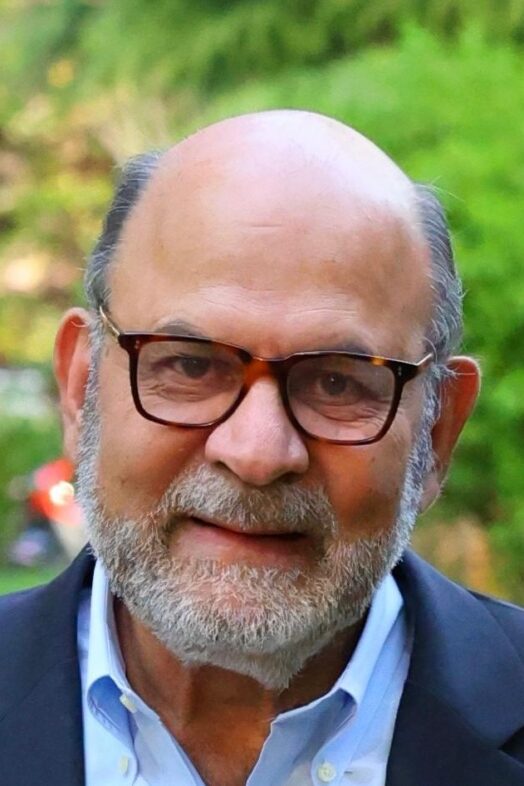
Liaquat Ahamed
Liaquat Ahamed graduated with degrees in economics from Cambridge and Harvard, worked at the World Bank in Washington, D.C., and had a twenty-five career as a professional investment manager based in London and New York before turning to writing. His first book, Lords of Finance: The Bankers Who Broke the World, about the lead up to the 1929 Great Depression, won the Pulitzer Prize for History, the Council on Foreign Relations Arthur Ross Gold Medal, and the Financial Times Best Business Book of the Year Award. He is a trustee of the Putnam Funds, an adviser to the Rock Creek Group, and the Chair of the Sun Valley Writers’ Conference.
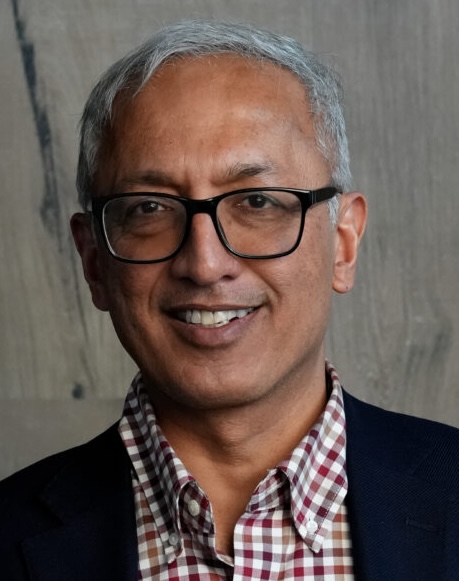
Karthik Sankaran
Karthik Sankaran is a senior research fellow in geoeconomics in the Global South program at the Quincy Institute for Responsible Statecraft. Originally trained as a historian, he had a long career in finance beginning in 1997, where he focused on foreign exchange and fixed income in emerging markets. He then joined Eurasia Group as Director, Global Strategy, where he worked with country and regional teams to chart feedback loops among political and geopolitical risks, macroeconomics, and market responses. His interests include the structure of the international monetary and financial system; strategies for economic development and resilience; and the weaponization of finance and trade.