
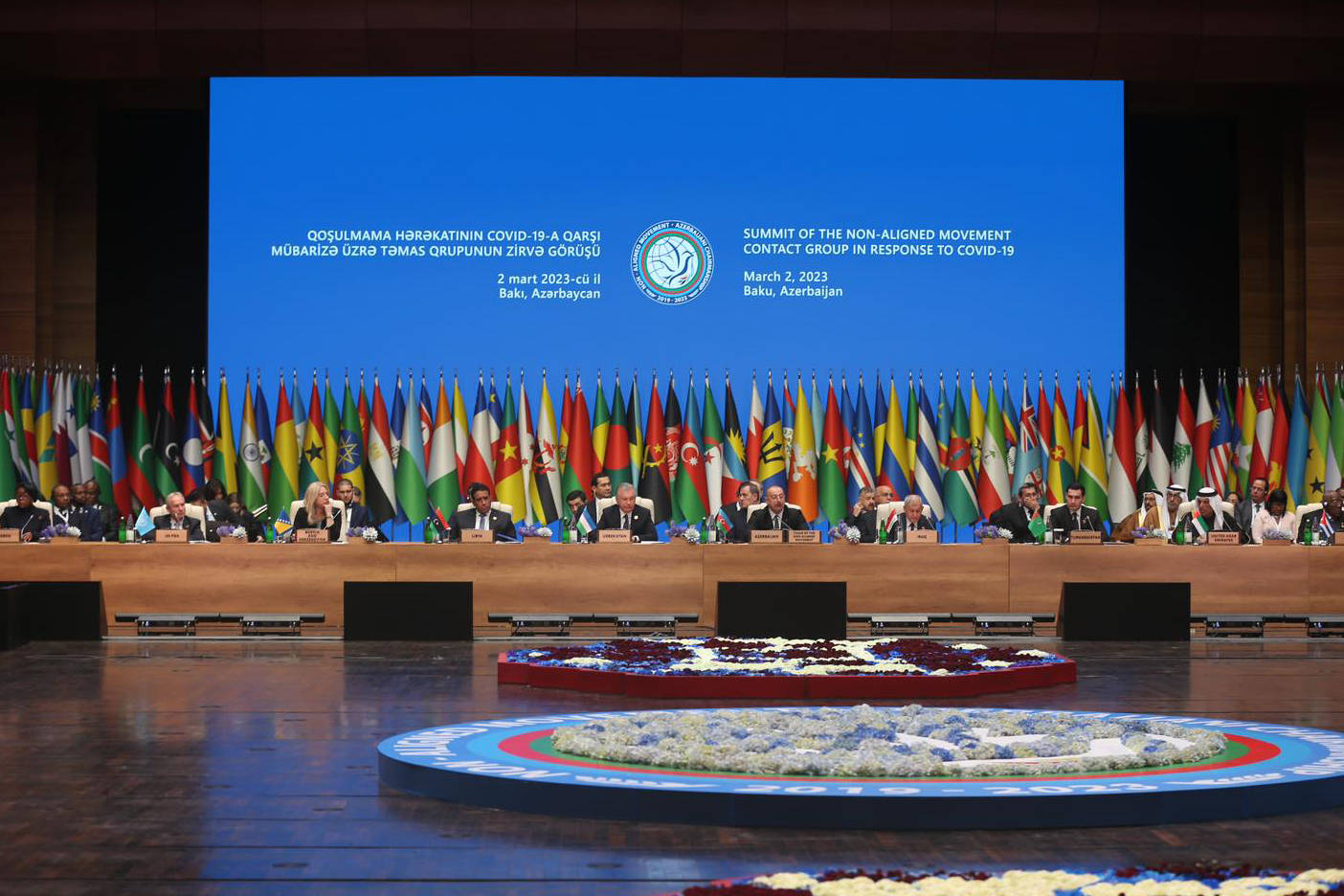
Book Talk – The Non-Aligned World: Striking Out in an Era of Great Power Competition
As the rivalry between the United States, China, and Russia continues, a large number of states in Latin America, Asia, and Africa seek to work with all great powers. They do so in order to gain the most benefits from the global order and also form coalitions to solve regional and global challenges. In a co-authored new book titled, The Non-Aligned World: Striking Out in an Era of Great Power Competition, former Chilean diplomat and Quincy Institute non-resident fellow Jorge Heine explains the concept, its relevance in today’s world, and its implications for Latin America and other regions. Ambassador Heine was in conversation with Sarang Shidore, director of the Global South Program at the Quincy Institute.
Related
Ukraine Peace Talks and the Pitfalls of Maximalism in a Multipolar World
How to bring the Ukraine War to a close in a multipolar world.

Interventionism on Steroids – The Trump Takeover of Venezuela
Experts discuss the U.S. toppling of Nicolás Maduro and what may come next.
Program
Countries/Territories
Entities
Panelists
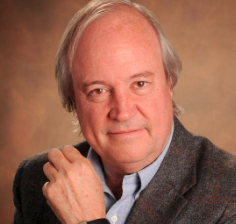
Jorge Heine
Jorge Heine is a non-resident fellow at the Quincy Institute. From 2019 to 2025, he was a research professor at the Frederick S. Pardee School of Global Studies at Boston University, and from 2018 to 2019, he was a public policy fellow at the Woodrow Wilson International Center for Scholars in Washington, D.C. A former Cabinet minister in the Chilean government, he also served as ambassador to China, to India, and to South Africa. A past vice president of the International Political Science Association, he was the CIGI Professor of Global Governance at Wilfrid Laurier University from 2007 to 2017, and has held visiting appointments at the universities of Konstanz, Oxford, Paris, and Tsinghua. He has held fellowships from the Guggenheim Foundation, the Center for International Governance Innovation, the Social Science Research Council, and the U.N. Economic Commission for Latin America and the Caribbean.
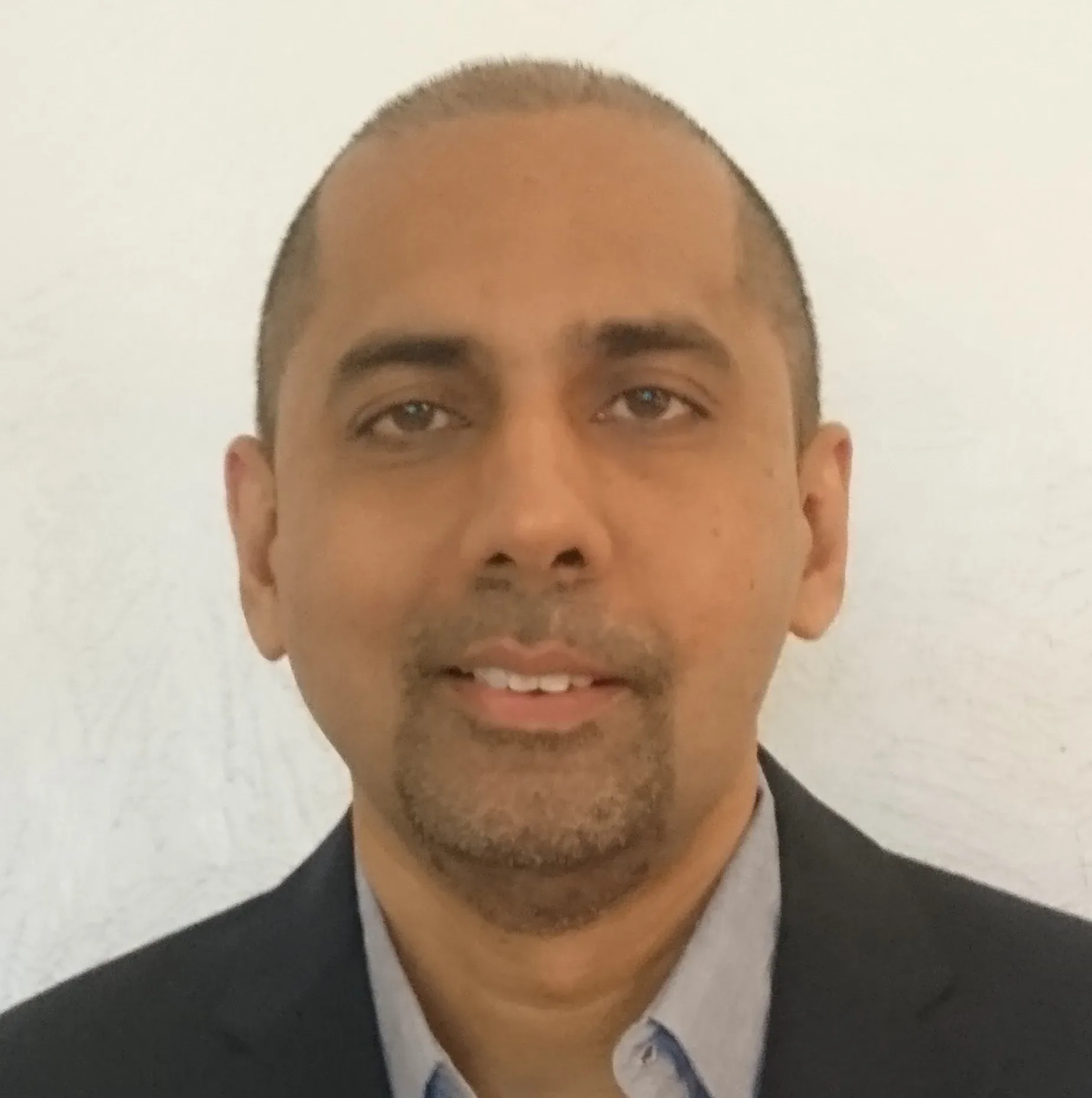
Sarang Shidore
Sarang Shidore is director of the Global South Program at the Quincy Institute. He was also a member of the adjunct faculty at George Washington University, where he taught a class on the geopolitics of climate change. He researches and writes on the geopolitics of the Global South, Asia, and climate change. Sarang has published in Foreign Affairs, Foreign Policy, The New York Times, The Nation, South China Morning Post, The Diplomat, Council on Foreign Relations, Energy Policy, Energy Research & Social Science and others. He currently also serves as co-lead in the think-tank track (T20) of the G20 meetings. Prior to his current role, Sarang was director of studies at the Quincy Institute, senior research scholar at the University of Texas at Austin, and senior global analyst at the geopolitical risk firm Stratfor Inc. and previously also spent more than a decade in engineering and product management in the technology industry.