
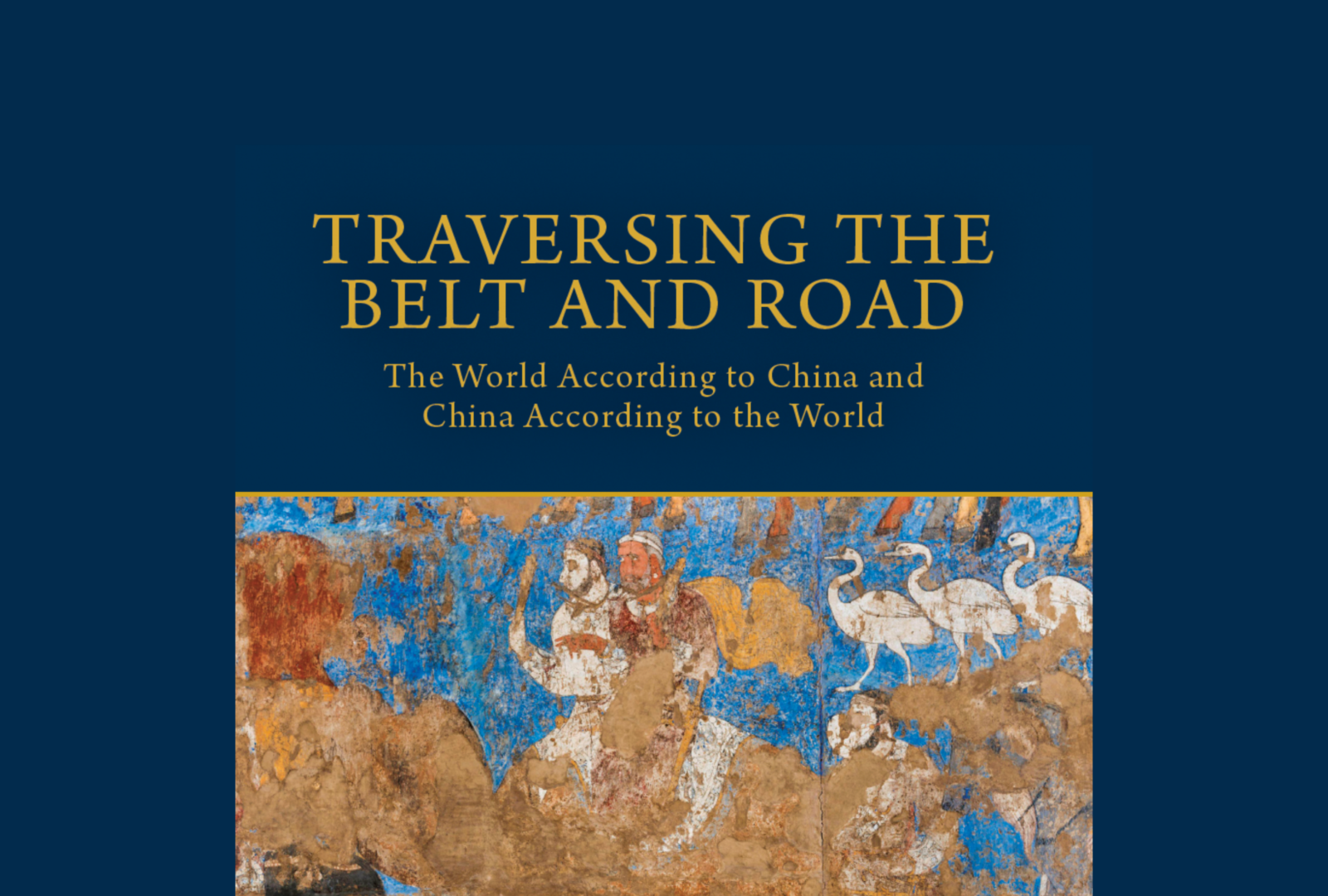
Book Talk | Traversing the Belt and Road
What does China’s Belt and Road Initiative (BRI), now more than a decade in existence, mean for Chinese grand strategy of today? How does it align and create tensions with Global South states? How does it impact Beijing’s competitive dynamic with Washington?
Jorge Heine, non-resident fellow at the Quincy Institute, and his colleagues Min Ye, Grant Rhode, and Andrew Wilson have just released an edited volume containing a compelling set of essays from experts aimed at answering these questions. The volume argues that BRI is very much a two-way phenomenon that goes beyond simply Chinese construction of infrastructure abroad. Moreover, BRI has both aided and been at cross-purpose with the interests of Global South states and is contributing to maritime competition with the United States. Unless BRI is “carefully navigated,” according to Heine and his colleagues, it “holds the potential for serious geopolitical clashes.”
Sarang Shidore, director of the Quincy Institute’s Global South program, spoke with Heine.
Panelists
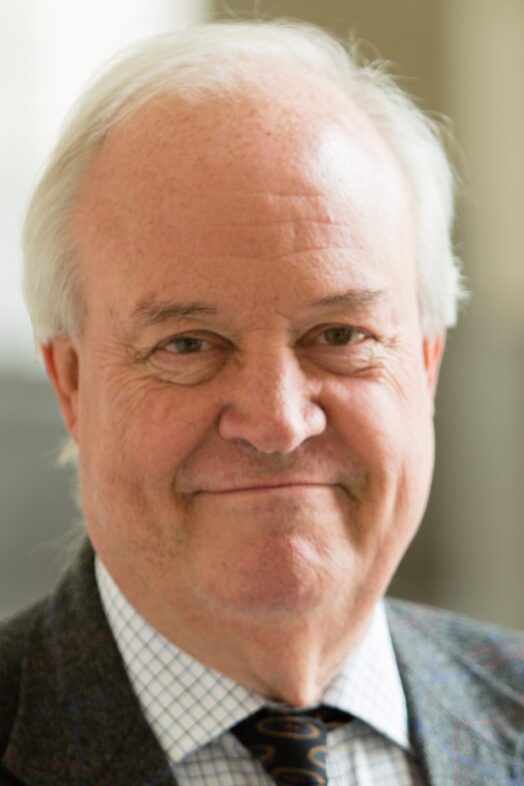
Jorge Heine is a non-resident fellow at the Quincy Institute. From 2019 to 2025 he was a research professor at the Frederick S. Pardee School of Global Studies at Boston University, and from 2018 to 2019 he was a public policy fellow at the Woodrow Wilson International Center for Scholars in Washington, D.C. A former Cabinet minister in the Chilean government, he also served as ambassador to China, to India, and to South Africa. A past vice president of the International Political Science Association, he was the CIGI Professor of Global Governance at Wilfrid Laurier University from 2007 to 2017, and has held visiting appointments at the universities of Konstanz, Oxford, Paris, and Tsinghua.
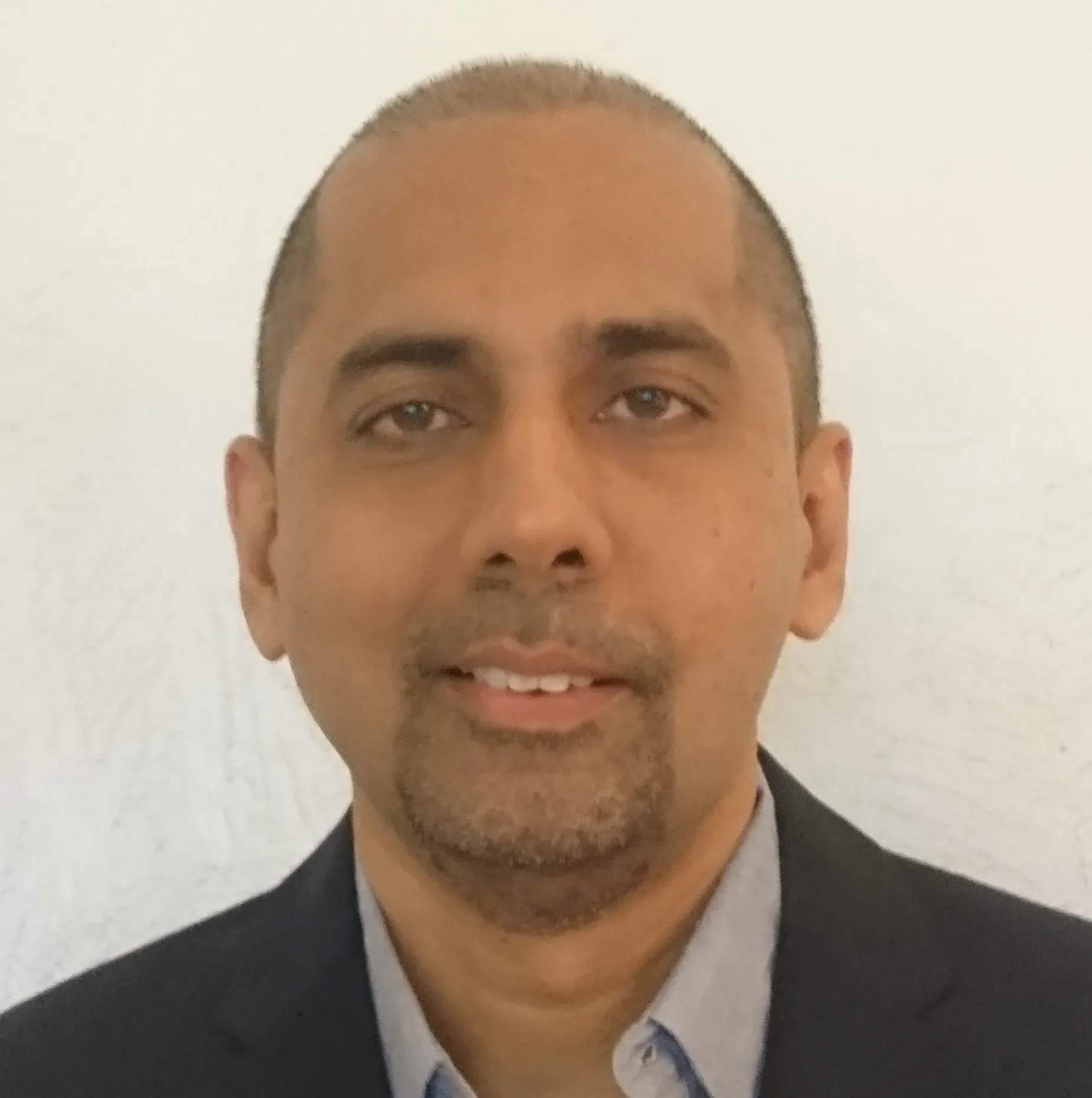
Sarang Shidore is director of the Global South Program at the Quincy Institute. He was also a member of the adjunct faculty at George Washington University, where he taught a class on the geopolitics of climate change. His research focuses on the Global South in the global order, Asian security, and climate geopolitics. Sarang has published in Foreign Affairs, Foreign Policy, The New York Times, The Nation, South China Morning Post, The Diplomat, Council on Foreign Relations, Energy Policy, Energy Research & Social Science and others. He currently also serves as co-lead in the think-tank track (T20) of the G20 meetings.