
Book Talk | Why Politicians Lie About Trade
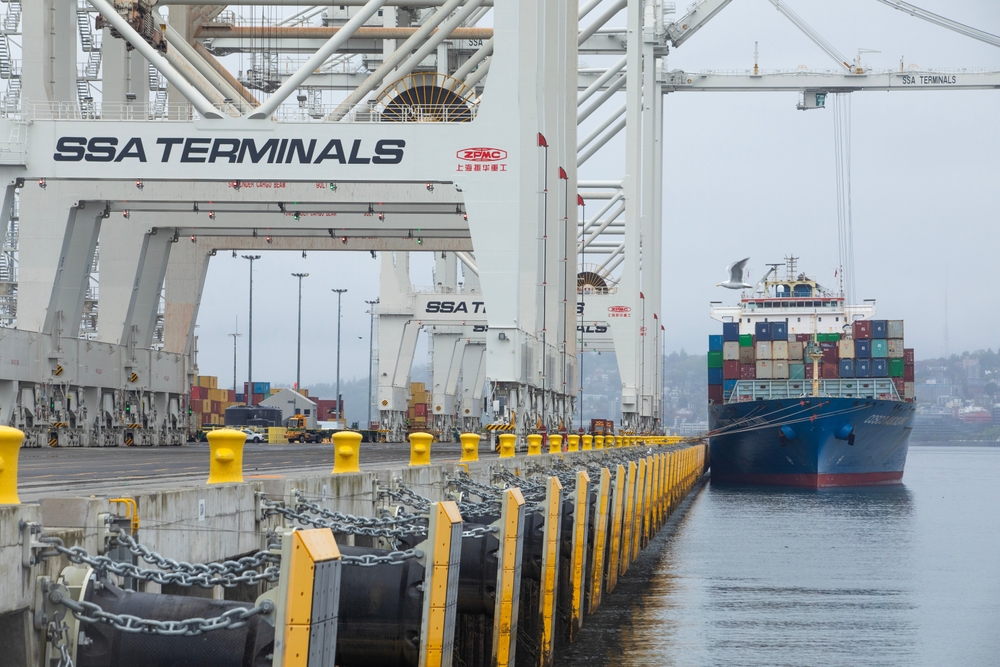
Over the last decade, trade has become a key driver of both politics and public policy in the developed world. And yet most voters (and many politicians) remain unaware of how trade policies are negotiated, formulated, and adjudicated at both the national and global level. In his humorous new book, experienced trade practitioner Dmitry Grozoubinski illuminates the process, explains the building blocks of the global trading system, and discusses how trade policy affects two key issues – development and climate change.
The author spoke with Karthik Sankaran, senior research fellow in geoeconomics in the Quincy Institute’s Global South program, to talk trade policy, the politics of trade, and the implications for the Global South.
Program
Entities
Panelists

Dmitry Grozoubinski
Dmitry Grozoubinski is a former Australian trade negotiator and diplomat, now based in Geneva where he serves as the Executive Director of the Geneva Trade Platform and founder of the consultancy ExplainTrade. Before joining the Australian Department of Foreign Affairs and Trade, Dmitry was an academic at the Monash Graduate School of Business, and with the Australian trade consultancy TradeWorthy. He is now a trade consultant and visiting professor at the University of Strathclyde’s School of Law.
Karthik Sankaran
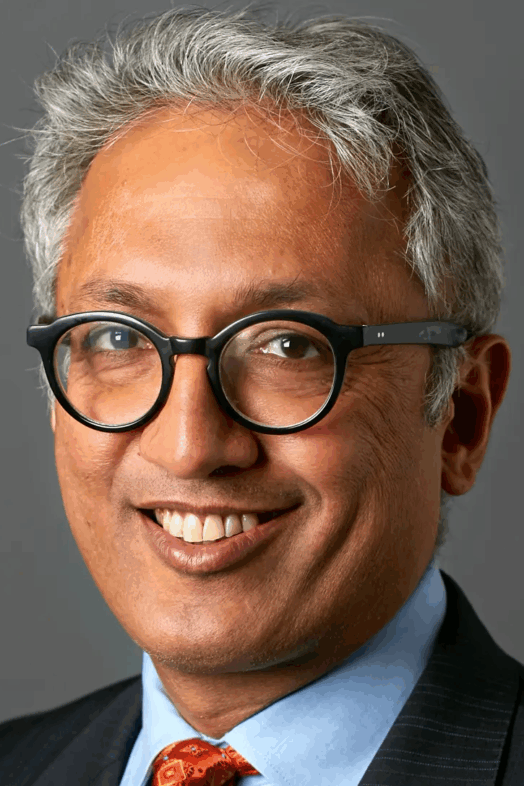
Karthik Sankaran is a senior research fellow in geoeconomics in the Global South program at the Quincy Institute for Responsible Statecraft. Among other projects, he recently completed a brief on the U.S. - Mexico economic relationship. Originally trained as a historian, he had a long career in finance beginning in 1997, where he focused on foreign exchange and fixed income in emerging markets. He then joined Eurasia Group as Director, Global Strategy, where he worked with country and regional teams to chart feedback loops among political and geopolitical risks, macroeconomics, and market responses. His interests include the structure of the international monetary and financial system; strategies for economic development and resilience; and the weaponization of finance and trade.