
Breakup: Will the Iran War Accelerate US Efforts to Craft an Independent Foreign Policy?
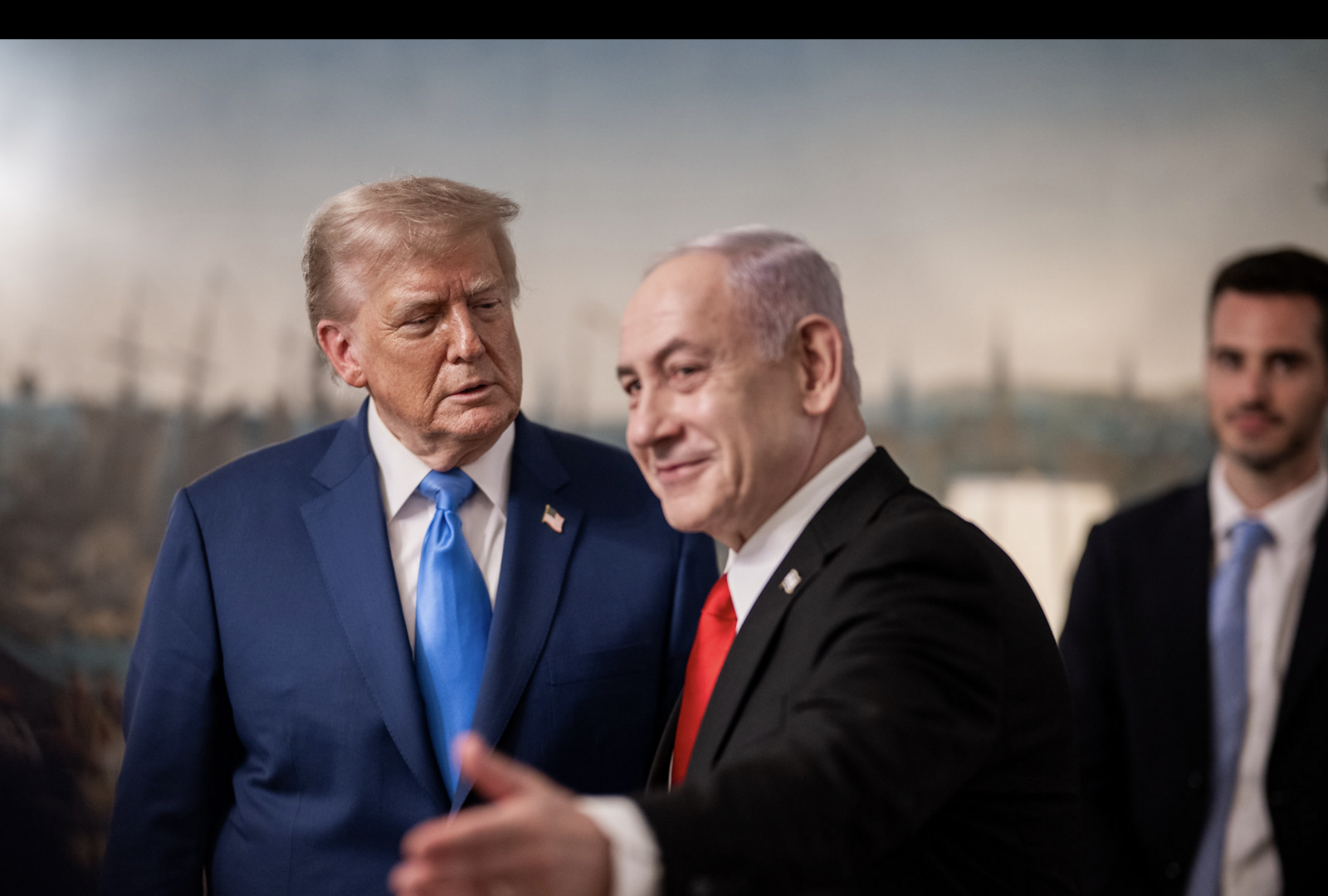
Donald Trump struggled to end the war on Iran on terms he deemed suitable, even as the costs of the war rose. In part, that’s because the Israeli leadership repeatedly undermined his negotiating position by invading Lebanon, something that remains a possibility. The dynamic has highlighted just how different American and Israeli interests in the Middle East are, and how deeply integrated the policy apparatuses of the two countries are.
The Quincy Institute and Foundation for Middle East Peace (FMEP) held a webinar that examined how the war on Iran — which was conducted by the Americans and Israelis with an unprecedented degree of coordination — may accelerate the divergence of American and Israeli policy conduct in the Middle East. As the costs continue to accumulate for the Americans, and the Israelis continue to dig in, the question of whether a policy break which corresponds to each state’s different interests has gained new importance. And if that break ultimately develops, how will the process of extricating Israeli policy-making from Washington unfold?
The conversation featured Trita Parsi, executive vice president of the Quincy Institute, Barbara Slavin, distinguished fellow at the Stimson Center, and Lara Friedman, president of the Foundation for Middle East Peace. Ahmed Moor, writer and fellow at the Foundation for Middle East Peace, moderated.
Panelists
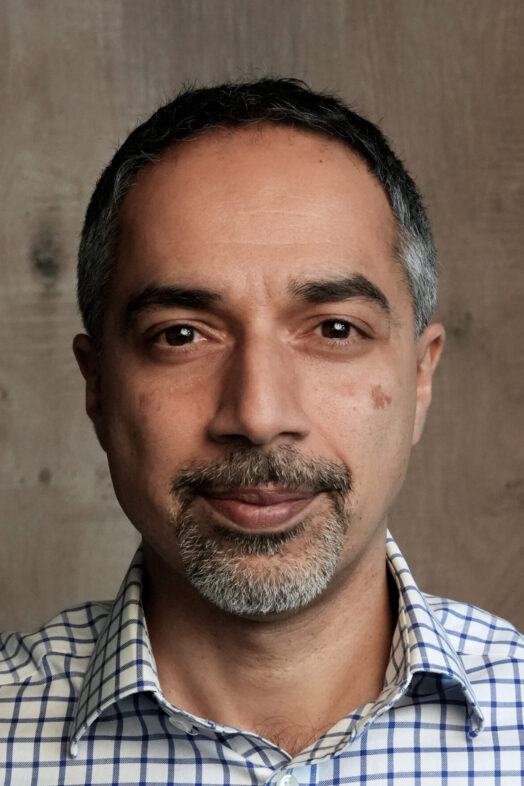
Trita Parsi
Trita Parsi is co-founder and executive vice president of the Quincy Institute. He is an award-winning author and the 2010 recipient of the Grawemeyer Award for Ideas Improving World Order. He is an expert on US-Iranian relations, Iranian foreign policy, and the geopolitics of the Middle East. He has authored four books on US foreign policy in the Middle East, with a particular focus on Iran and Israel. He has been named by the Washingtonian Magazine as one of the 25 most influential voices on foreign policy in Washington DC for five years in a row since 2021, and preeminent public intellectual Noam Chomsky calls Parsi “one of the most distinguished scholars on Iran.”
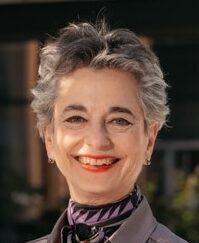
Barbara Slavin
Barbara Slavin is a distinguished fellow at the Stimson Center in Washington and a lecturer in international affairs at George Washington University. Prior to joining Stimson, she founded and directed the Future of Iran Initiative at the Atlantic Council and led a bi-partisan task force on Iran. The author of Bitter Friends, Bosom Enemies: Iran, the US and the Twisted Path to Confrontation (2007), she is a regular commentator on US foreign policy and Iran on NPR, PBS and C-Span. A career journalist, Slavin served as a columnist for Al-Monitor; assistant managing editor for world and national security at the Washington Times; senior diplomatic reporter for USA Today; Cairo and Beijing correspondent for The Economist and as an editor at the New York Times Week in Review.
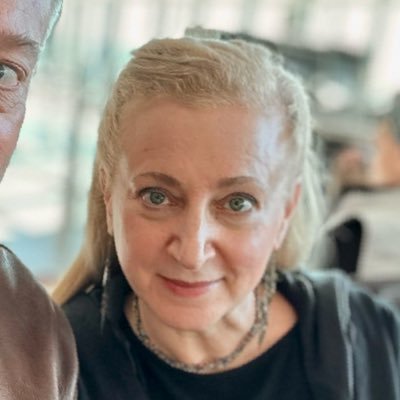
Lara Friedman
Lara Friedman is the president of the Foundation for Middle East Peace. Previously, she was the Director of Policy and Government Relations at Americans for Peace Now, and before that she was a U.S. Foreign Service Officer, serving in Jerusalem, Washington, Tunis, and Beirut. Lara is a leading authority on U.S. foreign policy in the Middle East with particular focus on the Israeli-Arab conflict, settlements, and Jerusalem, and on the role of the U.S. Congress. She frequently briefs Members of Congress, Administration officials, and others in the foreign policy/national security community, and is regularly published in the U.S. and Israeli press.
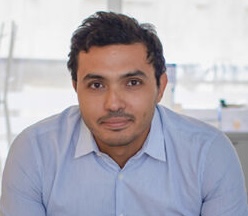
Ahmed Moor
Ahmed Moor is a writer and fellow at the Foundation for Middle East Peace. He is an advisory board member of the US Campaign for Palestinian rights, co-editor of “After Zionism: One State for Israel and Palestine” (2012, Saqi Books) and is currently writing a book about Palestine. He also currently serves on the board of the Independence Media Foundation. His work has been published in The Guardian, The London Review of Books, The Nation, and elsewhere. He earned a BA at the University of Pennsylvania and an MPP at Harvard University.