
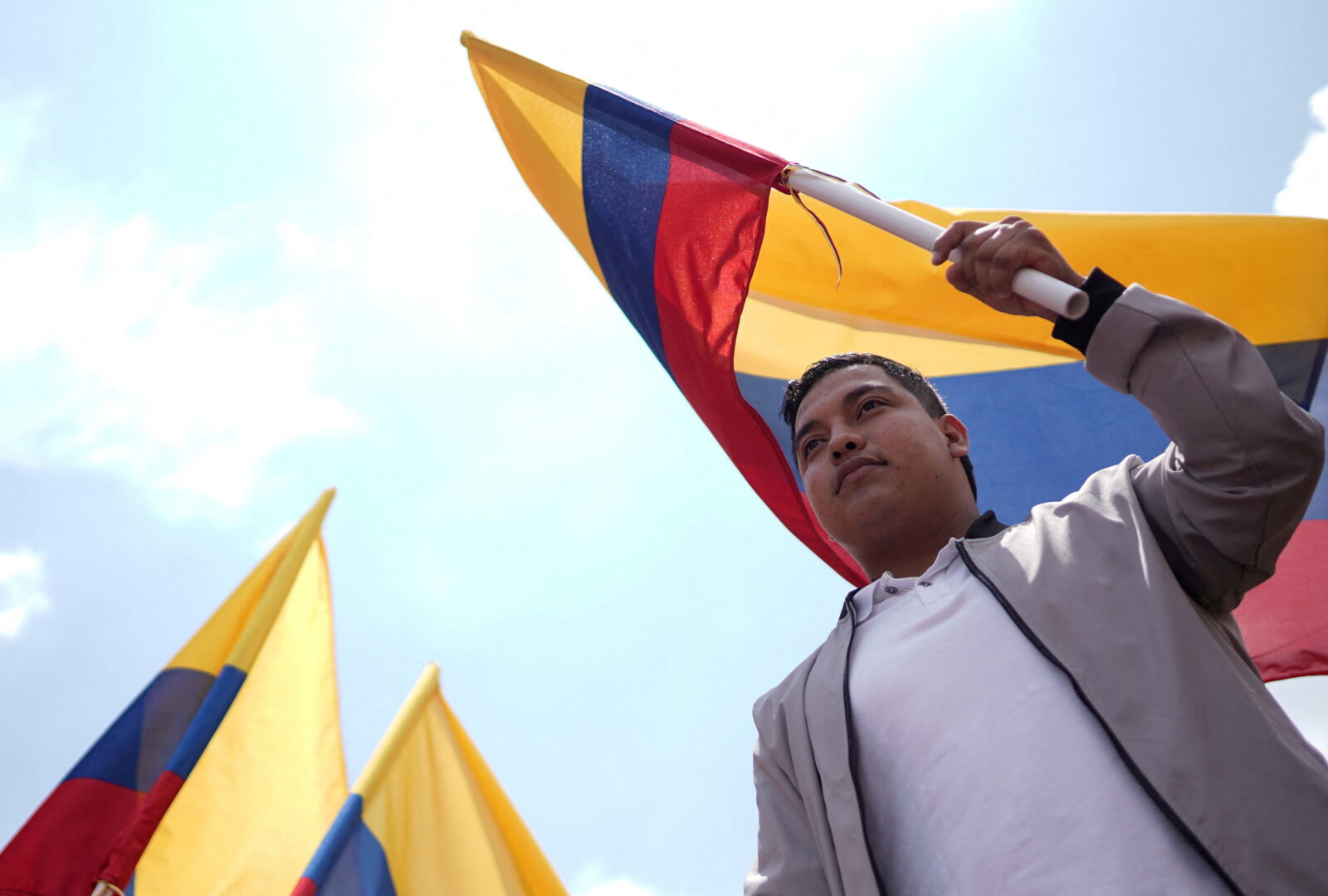
Colombia’s 2026 Presidential Elections: Implications for US Policy
As one of the United States’ top security, trade and counternarcotics partners in the Western Hemisphere, Colombia’s May 31st presidential elections are bound to have major implications for U.S. policy toward the region. Despite increased bilateral tensions under Presidents Donald Trump and Gustavo Petro over drug policy, relations with China, climate change, and the war in Gaza, the two countries maintain close institutional relationships across various sectors built on decades of partnership, commerce and shared regional priorities. As the Trump administration adopts a more aggressive approach toward fighting transnational crime and countering Chinese influence in Latin America, understanding the economic, security and foreign policy platforms of Colombia’s leading candidates proves indispensable for navigating the future of U.S.-Colombia relations.
Join a Quincy Institute discussion with prominent Colombia experts as they discuss the key issues at stake in Colombia’s upcoming presidential elections, the distinguishing features of the top three candidates, and the broader significance for U.S. policy toward Latin America’s third-largest country and the region at large. We will hear from Glaeldys González Calanche, analyst of the Southern Andes for the International Crisis Group; Steve Hege, director of the Latin American Institute for Peace & Security (ILAPS); and Ambassador Luis Fernando Medina Sierra, permanent representative of Colombia to the Organisation for Economic Co-operation and Development (OECD). Lee Schlenker, research associate in QI’s Global South program, will moderate.
Panelists
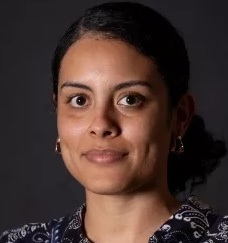
Glaeldys González Calanche
Glaeldys González Calanche is an analyst of the Southern Andes for the International Crisis Group. She conducts extensive field research on the Andean region, particularly in Colombia and Ecuador, with a focus on the drivers of conflict and violence, including security, politics, governance, organised crime and social matters. In this role, Glaeldys formulates policy recommendations for conflict actors and supports the program’s advocacy activities related to conflict prevention and mitigation across the region. From 2022 to 2024, Glaeldys served as Crisis Group’s Giustra Fellow for the Latin America and Caribbean Program, supporting work on Colombia, Peru and Ecuador, as well as on organised crime across the region.
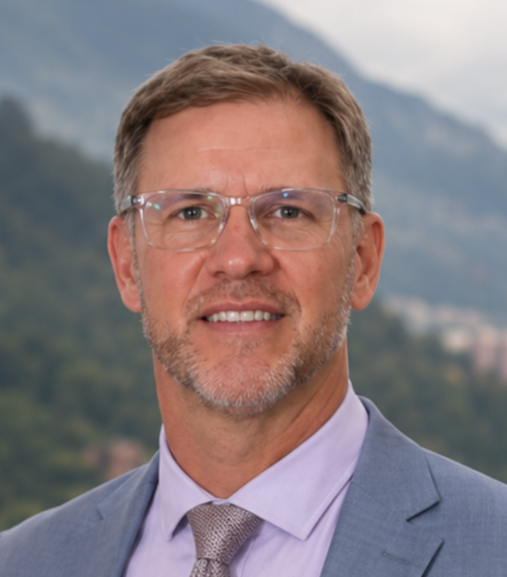
Steve Hege
Steve is the director of the Bogotá-based Latin American Institute for Peace and Security (ILAPS) which provides technical expertise and facilitation for security & justice institutions in Colombia, Venezuela, Haiti, Ecuador, Brazil, & Mexico. Previously, he founded the regional program for Latin America at the US Institute of Peace (USIP) where he also provided support to peace processes and security reforms in Southeast Asia and Central Africa. Earlier in his career, Steve investigated arms embargo and human rights atrocities in the DR Congo for for the UN Security Council after serving as a DDR officer and technical advisor for peace processes in Nepal and Lebanon. He is currently an adjunct professor at the Universidad de Los Andes.
Luis Fernando Medina Sierra
Ambassador Medina Sierra took up his duties as Permanent Representative of Colombia to the OECD on 24 October 2022. He is an economist and philosopher of international reputation. He has been a professor in multiple prestigious schools, in particular in the Department of Political Science of the Universidad Carlos III in Madrid, the University of Virginia, the University of Chicago and, as guest professor, at several universities in Colombia and Mexico. He is the author of several books on formal models of economics, most notably: “A Unified Theory of Collective Action and Social Change” (2007) and “Beyond the Turnout Paradox: The Political Economy of Electoral Participation” (2018), and published numerous scholarly articles on economic matters. Mr. Medina Sierra holds a Ph.D. in economics from Stanford University, a Master of Arts and bachelor’s degrees in economics from the Universidad de los Andes and a Bachelor’s in philosophy from the Universidad Nacional of Colombia.
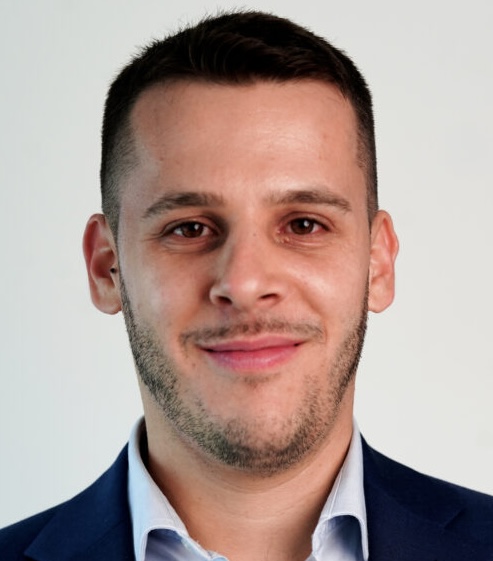
Lee Schlenker (Moderator)
Lee Schlenker is a research associate with the Global South program at the Quincy Institute for Responsible Statecraft. Schlenker previously served as the policy director at an advocacy organization working to improve U.S.-Cuba relations, a journalist and producer with an award-winning independent media outlet, and Cuba program co-director and Northeast regional director at an international peace organization. Schlenker’s work has been published and/or cited in The Guardian, Responsible Statecraft, Jacobin, Newsweek, ESPN, NPR, The Nation, The Hill, Miami New Times, USA Today, La Jornada, Boston Review and The American Prospect, among others, and he has conducted research on Latin American political and economic issues at Boston University, Brandeis University, the Center for Economic and Policy Research, Columbia University, and Corporación Escenarios.