
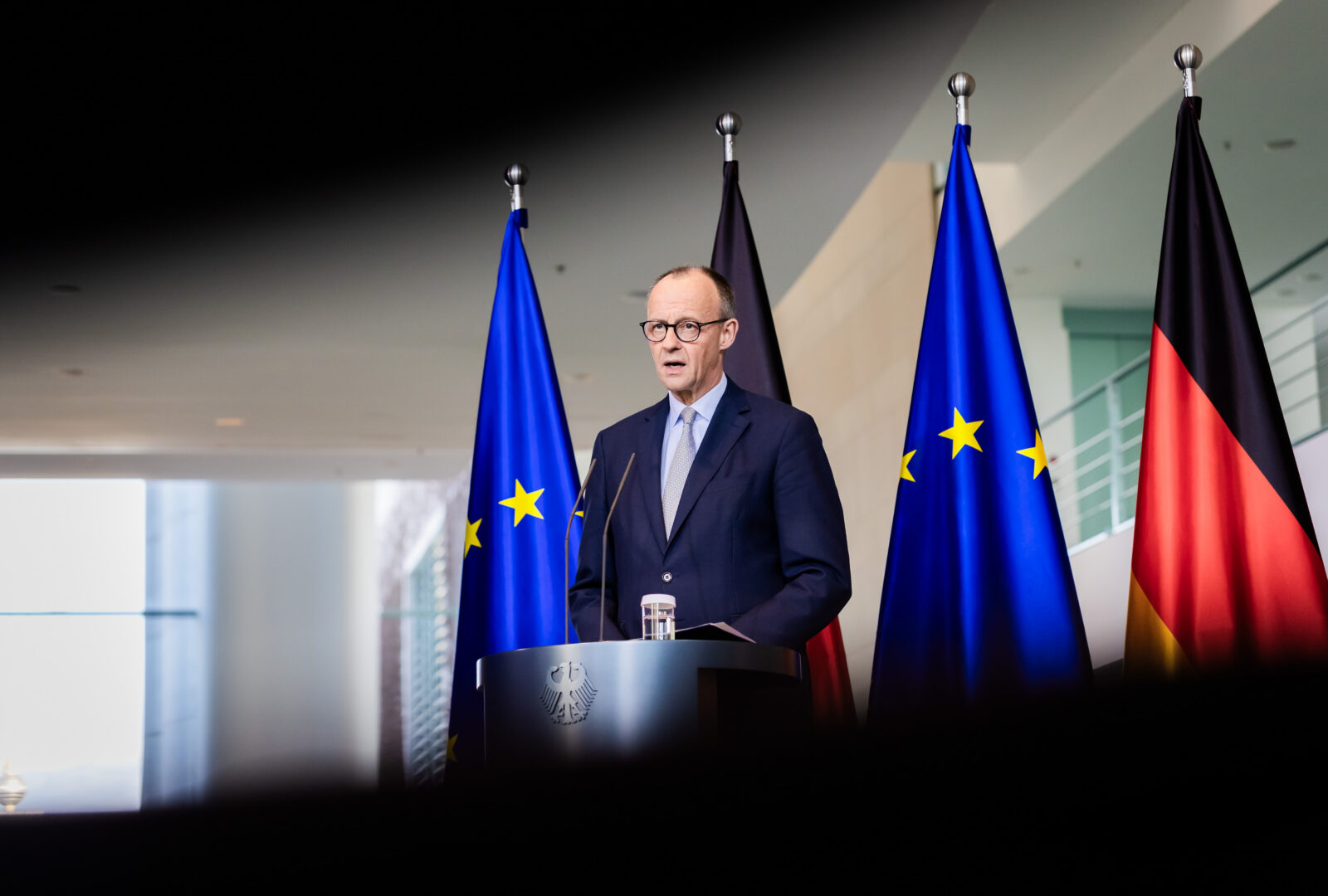
Europe and the Iran War
The Israeli-US war on Iran and its economic consequences have caused a profound crisis in Transatlantic relations, causing some analysts to predict the imminent collapse of NATO. Even populist Rightist parties that formerly sought to woo President Trump and MAGA have been forced to back away from them because of the unpopularity of the war and of Trump himself among large majorities of European populations. The war has also however opened up deep splits between European countries over how to respond, as well as intensifying domestic political tensions.
To discuss these issues and possible future paths, Anatol Lieven, director of the Eurasia program at the Quincy Institute, was joined by Thomas Fasbender, journalist at the Berliner Wochenzeitung, James Crabtree, distinguished fellow at the European Council on Foreign Relations, and Molly O’Neal, non-resident fellow at the Quincy Institute.
Panelists
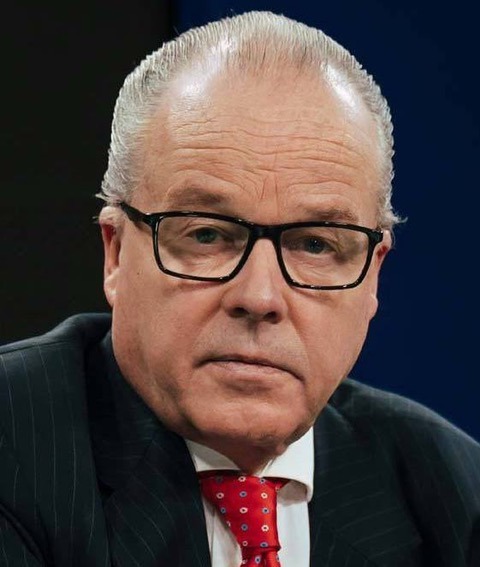
Thomas Fasbender
Thomas Fasbender is a German journalist who worked in Moscow from 1992 to 2015. He holds a PhD in philosophy from the University of Hamburg, Since 2023 he has been head of geopolitics at the Berliner Zeitung, a German daily newspaper. He is author of several books, including a biography of Vladimir Putin (2022). His latest book Der Eurasienkomplex: Warum und wie dem Westen die Zukunft entgleitet (“The Eurasia Complex. Why and how the future slipped away from the West”) was published this month.
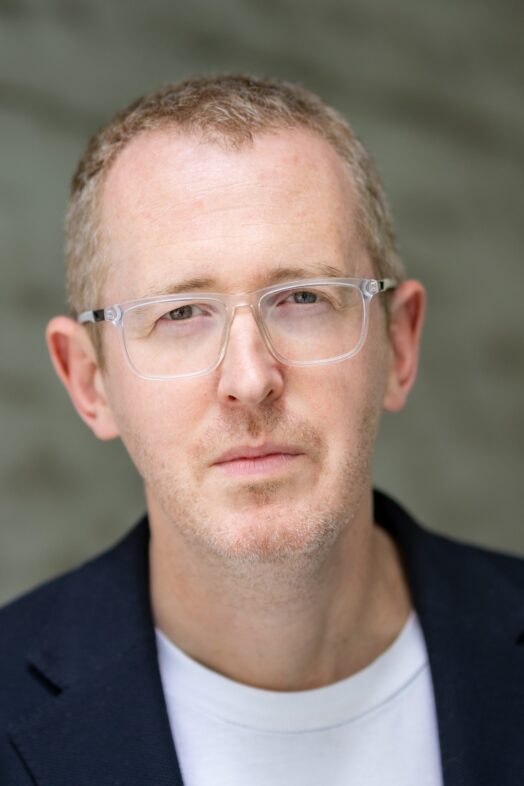
James Crabtree
James Crabtree is an author and geopolitical strategist with extensive experience living and working in Asia. He is a distinguished visiting fellow in the Asia programme of the European Council on Foreign Relations in Berlin, a fellow at the Asia Society in New York, and a columnist for Foreign Policy magazine. He is writing his second book – The Perimeter: The Struggle for Primacy in the Pacific – examining the future of America’s military presence in Asia, to be published in 2027 by W. W. Norton & Company. His first – The Billionaire Raj: A Journey Through India’s New Gilded Age – was short-listed as FT / McKinsey business book of the year and named an Amazon book of the year. Previously, he was the Singapore-based Executive Director of the Institute of International Strategic Studies in Asia, where he led the organisation of the Shangri-La Dialogue security summit.
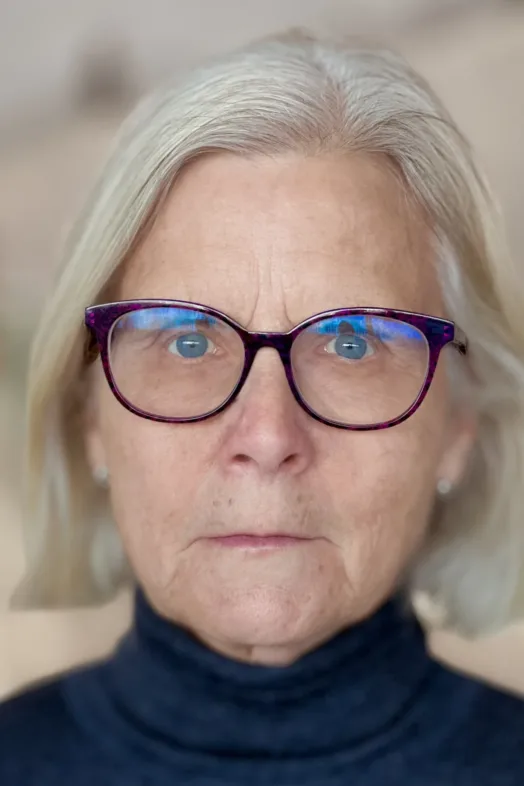
Molly O'Neal
Molly O’Neal is a non-resident fellow at the Quincy Institute and former U.S. Foreign Service Officer whose career, from 1989 onward, was devoted to U.S. relations with Central and Eastern Europe, Russia, and Eurasia. After leaving the Foreign Service in 2006, she earned her PhD at Johns Hopkins School of Advanced International Studies (SAIS) in 2012, specializing in international political economy, comparative politics, American foreign policy, and European and Eurasian studies. She has lectured and written on these subjects since 2010, most recently as a Fulbright professor and researcher at the Center for International Studies at the Technical University of Dresden through the spring and summer of 2022. A frequent contributor on European politics to Responsible Statecraft, she has taught at American University, UT Austin and Baylor University and was a Fulbright professor in Poland and Germany.
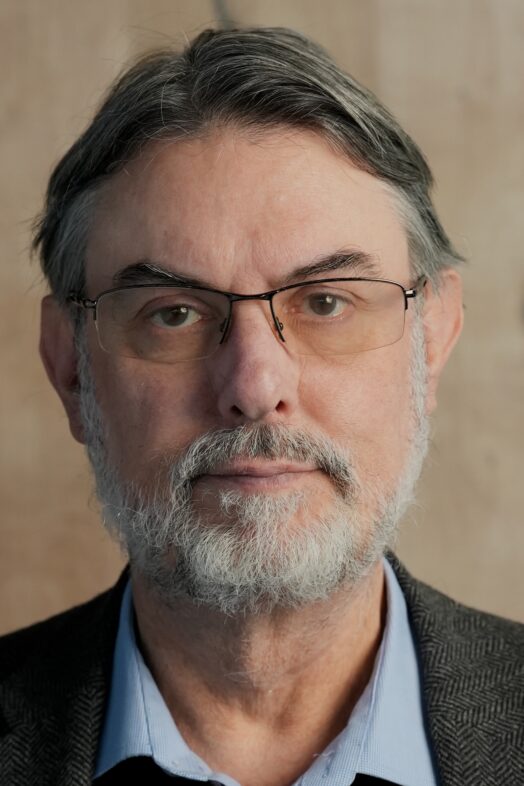
Anatol Lieven
Anatol Lieven is the director of the Eurasia Program and the Andrew Bacevich chair in American Diplomatic History at the Quincy Institute for Responsible Statecraft. He was formerly a professor at Georgetown University in Qatar and in the War Studies Department of King’s College London. He also served as a member of the advisory committee of the South Asia Department of the British Foreign and Commonwealth Office and of the academic board of the Valdai discussion club in Russia. He holds a B.A. and Ph.D. in history and political science from Cambridge University in England. From 1985 to 1998, Lieven worked as a journalist in South Asia, the former Soviet Union and Eastern Europe and covered the wars in Afghanistan, Chechnya and the southern Caucasus. From 2000 to 2007 he worked at think tanks in Washington DC.