
How Badly Could the War Against Iran Hurt the Global South?
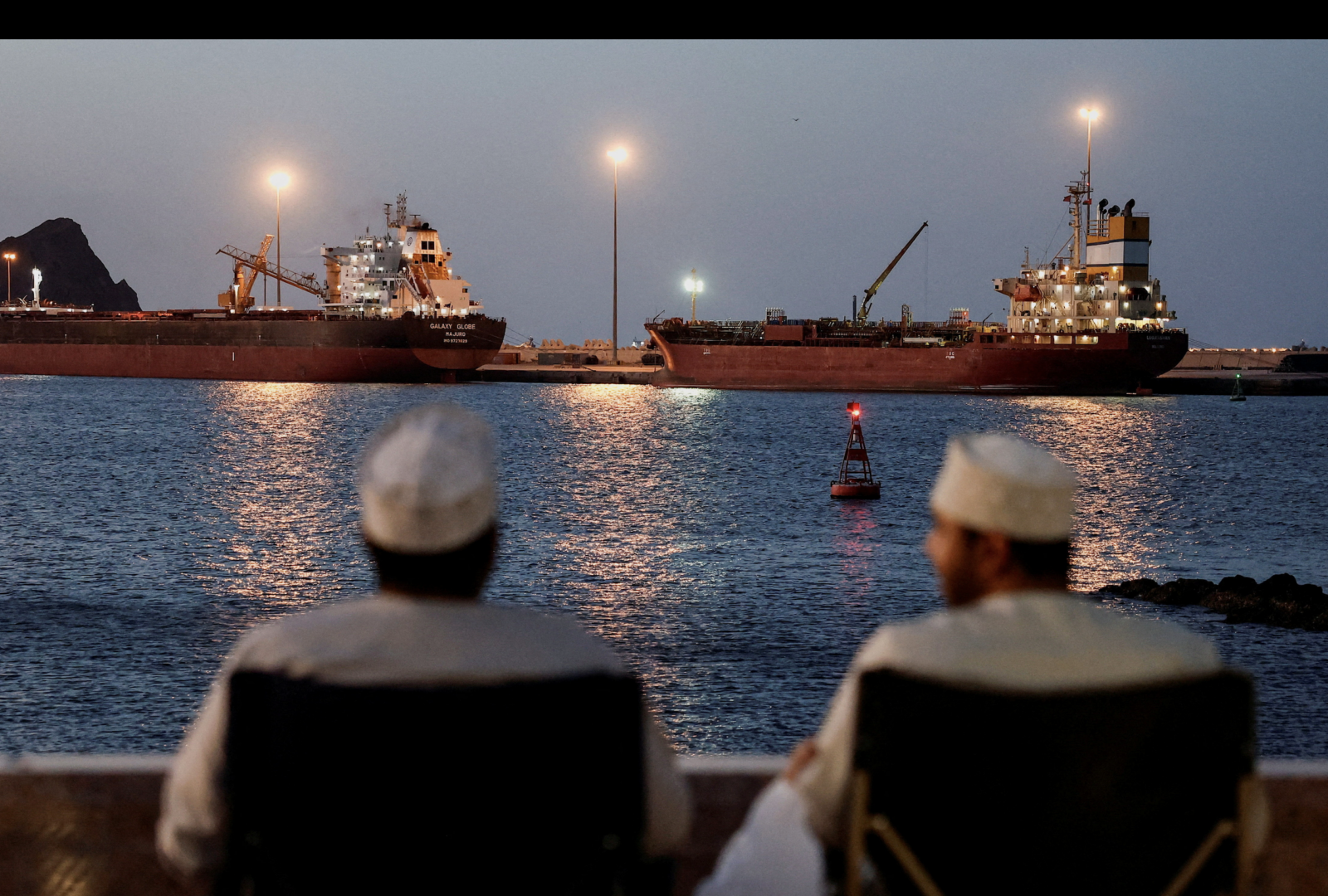
The recent joint U.S. and Israeli attacks on Iran have had dramatic consequences for the countries of the Global South. The immediate impact has come through the interruption of oil and natural gas flows through the Strait of Hormuz, a dramatic spike in energy prices, and an even more alarming threat to the world’s supply of fertilizer just ahead of planting season. The near-term course of both the war and the diplomacy surrounding it remain highly uncertain, but these events also raise longer-term questions for the Global South not just about energy security but also about geoeconomic spillovers as the White House continues its “move fast and break things” approach to foreign policy.
To discuss these issues and more, QI held a conversation with Greg Priddy, senior fellow for the Middle East at the Center for the National Interest; Rachel Ziemba, adjunct senior fellow at the Center for a New American Security (CNAS) and founder of Ziemba Insights; and Karthik Sankaran, senior research fellow in Geoeconomics in the Global South program at QI. Sarang Shidore, director of the Global South Program at QI, moderated.
Panelists

Greg Priddy
Greg Priddy is senior fellow for the Middle East at the Center for the National Interest. He also consults for corporate and financial clients on political risk in the region and global energy markets. From 2006 to 2018, Mr. Priddy was Director, Global Oil, at Eurasia Group, focusing on how political risk, sanctions, and public policy impact energy markets and global industry, with a heavy emphasis on the Persian Gulf. He traveled frequently to the Middle East and was deeply involved in the firm’s coverage of security issues in the region, including the Iranian nuclear program and associated sanctions. He also led Eurasia Group teams on some large research projects for government clients including the National Intelligence Council (NIC).

Rachel Ziemba
Rachel Ziemba is an adjunct senior fellow at the Center for a New American Security (CNAS). Her research focuses on the interlinkages between economics, finance and security issues. She also serves as a strategic advisor at Alpha Z Advisors, an equity futures fund, and founder of Ziemba Insights, a macroeconomic research firm that focuses on connecting policy and macro risks relevant to EM investors. She previously served as head of emerging and frontier markets and co-head of research at Roubini Global Economics, a global macro strategy and country risk firm. She has a particular interest in the macroeconomic and foreign policy of China and oil-exporting nations, including sovereign wealth management and energy-sector supply risks and resilience.
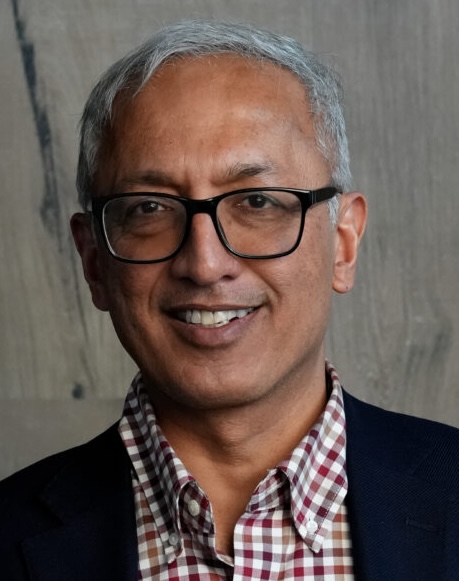
Karthik Sankaran is a senior research fellow in geoeconomics in the Global South program at the Quincy Institute for Responsible Statecraft. Among other projects, he recently completed a brief on the U.S. – Mexico economic relationship. Originally trained as a historian, he had a long career in finance beginning in 1997, where he focused on foreign exchange and fixed income in emerging markets. He then joined Eurasia Group as Director, Global Strategy, where he worked with country and regional teams to chart feedback loops among political and geopolitical risks, macroeconomics, and market responses. His interests include the structure of the international monetary and financial system; strategies for economic development and resilience; and the weaponization of finance and trade.
Sarang Shidore is director of the Global South Program at the Quincy Institute, and a senior non-resident fellow at the Council on Strategic Risks. He is also a member of the adjunct faculty at George Washington University, where he teaches a class on the geopolitics of climate change. He researches and writes on the geopolitics of the Global South, Asia, and climate change. Sarang has more than 125 publications to his credit in journals, edited volumes, and media outlets in his areas of expertise, including in Foreign Affairs, Foreign Policy, The New York Times, The Nation, South China Morning Post, Council on Foreign Relations, Energy Policy, Energy Research & Social Science and others.