
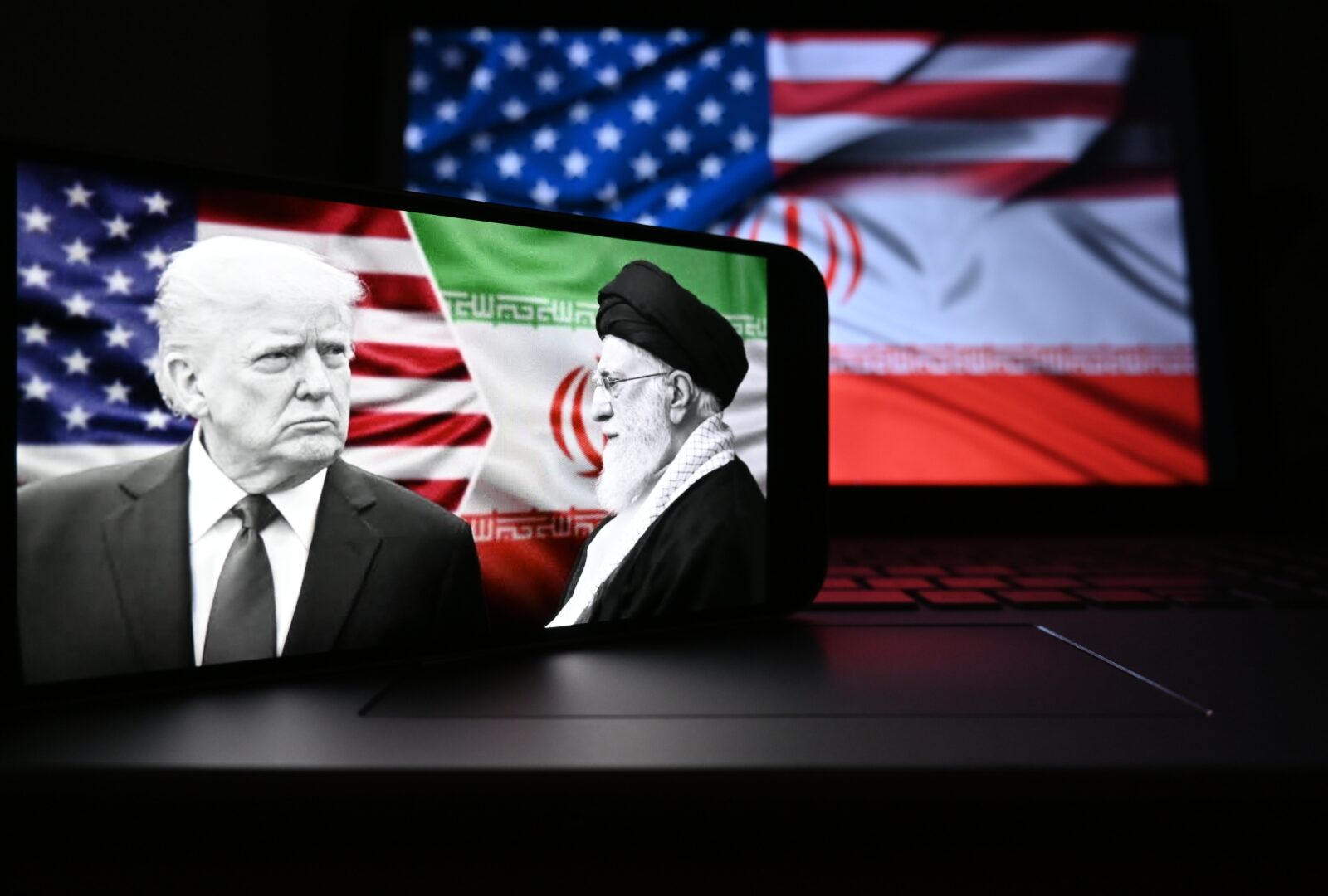
Iran at a Crossroads: Protests, Repression, and the Risk of U.S. Military Escalation
The Islamic Republic is confronting the largest—and potentially most consequential—wave of protests since 2009. Nationwide uprisings have shaken the foundations of the state, igniting speculation that the regime may be approaching a breaking point—or even facing an internal coup. At the same time, regional and international tensions are escalating. Israel, backed by growing voices in Washington, has urged Donald Trump to take military action against Iran. Trump, for his part, has openly threatened strikes not only over Tehran’s nuclear and missile programs, but also in the name of “protecting the protesters.”
Is the theocratic regime in Tehran nearing its end? If it falls, could Iran finally embark on a path toward democracy—or will power simply shift from clerics to generals through a coup led by elements of the Revolutionary Guards? Alternatively, does the country risk descending into prolonged instability or civil war? And if the United States and Israel intervene militarily, what chain of consequences might follow—for Iran, the region, and the world?
To answer these questions and discuss the latest developments inside Iran, QI held a conversation featuring Vali Nasr, professor at Johns Hopkins University, Ellie Geranmayeh, deputy director of the Middle East program at ECFR, and Mohammad Ali Shabani, editor of Amwaj. Trita Parsi, executive vice president of the Quincy Institute, moderated.
Panelists
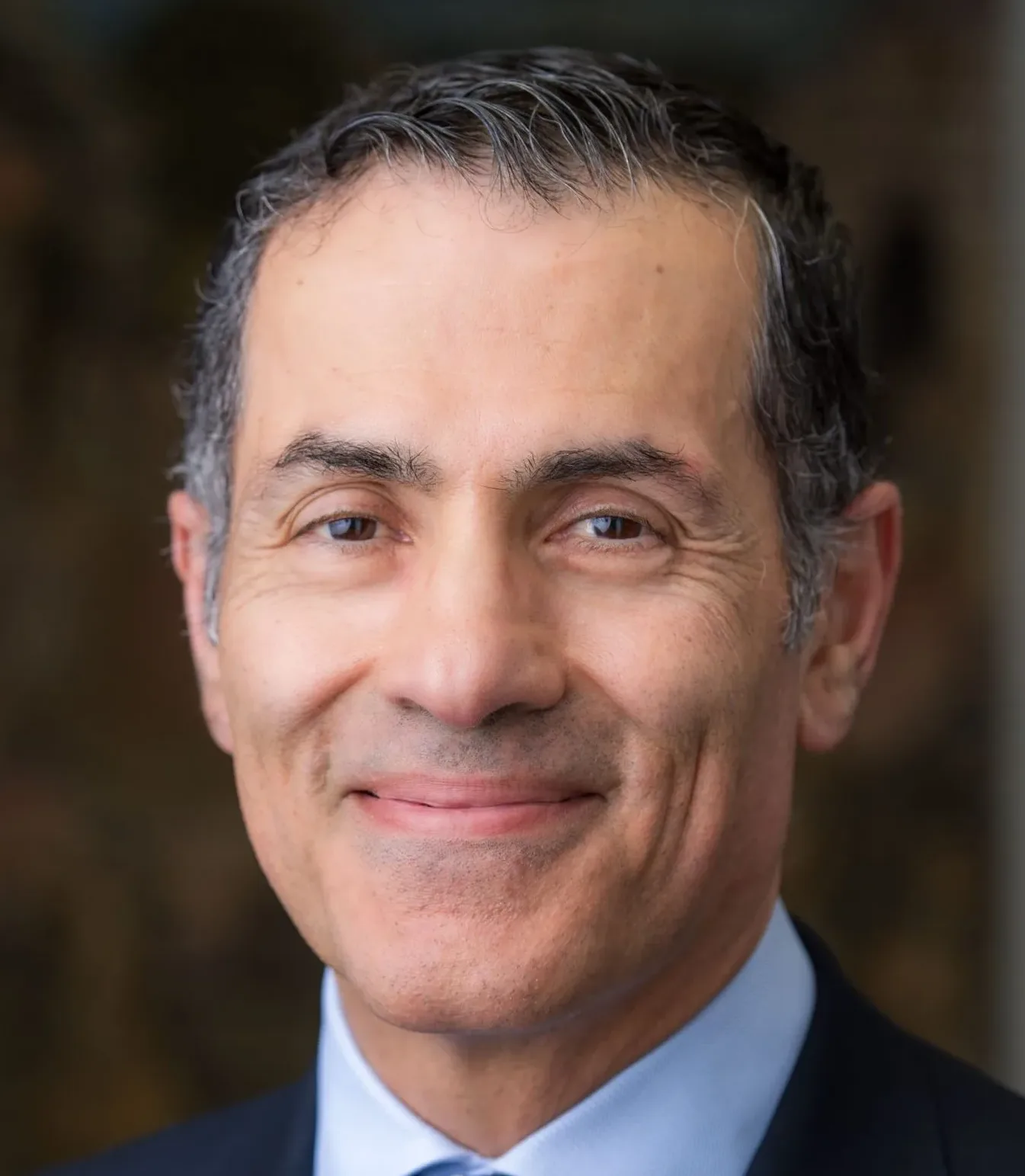
Vali Nasr is the Majid Khadduri professor of International Affairs and Middle East Studies at Johns Hopkins-SAIS. From 2012 to 2019, he served as the Dean of the School, and from 2009 to 2011, he was the Senior Advisor to U.S. Special Representative for Afghanistan and Pakistan, Ambassador Richard Holbrooke. He authored “Forces of Fortune: The Rise of a New Muslim Middle Class and How it Will Change Our World”; “The Shia Revival: How Conflicts within Islam will Shape the Future”; and “Democracy in Iran: History and the Quest for Liberty”. He has written for The New York Times, Foreign Affairs, Financial Times, Wall Street Journal, and The Washington Post.

Ellie Geranmayeh is a senior policy fellow and deputy head of the Middle East and North Africa programme at the European Council on Foreign Relations. She specializes in European foreign policy concerning Iran, focusing on nuclear negotiations and sanctions policy. Geranmayeh played a significant role in the diplomatic efforts leading to the 2015 nuclear deal and continues to advise policymakers on Iran-related issues. Her analyses are frequently featured in major international media outlets.
Mohammad Ali Shabani is an award-winning Middle East expert and scholar. He is the editor of Amwaj.media, a leading London-based news site focusing on Iran, Iraq, and the Arabian Peninsula countries. He is a graduate of SOAS/University of London and has been published in prominent outlets such as the New York Times, Foreign Affairs, and the Guardian. While based in Britain, he frequently travels to the Middle East.
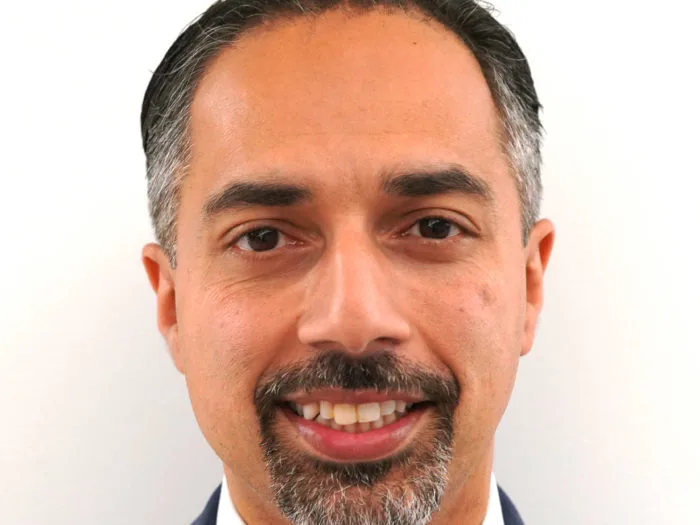
Trita Parsi is the executive vice president of the Quincy Institute. He is an award-winning author and the 2010 recipient of the Grawemeyer Award for Ideas Improving World Order. He is an expert on US-Iranian relations, Iranian foreign policy, and the geopolitics of the Middle East. He has authored four books on US foreign policy in the Middle East, with a particular focus on Iran and Israel. He has been named by the Washingtonian Magazine as one of the 25 most influential voices on foreign policy in Washington DC for five years in a row since 2021, and preeminent public intellectual Noam Chomsky calls Parsi “one of the most distinguished scholars on Iran.”