
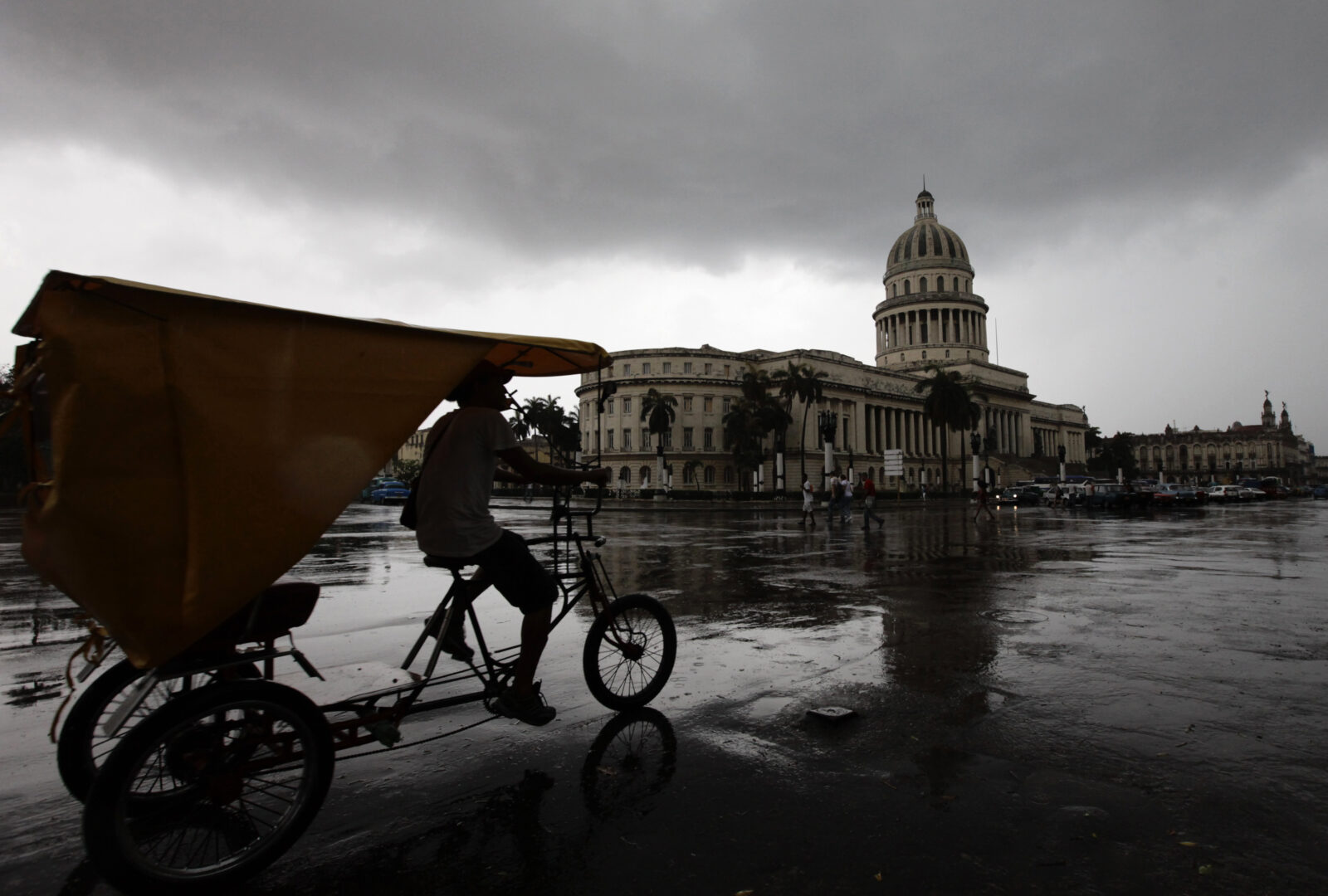
Is Cuba Next?
The United States’ dramatic kidnapping of Venezuelan President Nicolas Maduro and the bombing of Caracas left many wondering if Cuba might be next. Secretary of State Marco Rubio has long pushed for regime change in Havana, and President Trump recently said that Cuba “is ready to fall,” warning the government to “make a deal now before it’s too late.” As the Cuban people face their worst economic and humanitarian crises in decades, and the U.S. demands Venezuela’s interim president cut energy and security ties with its longtime ally, what might a workable deal between the U.S. and Cuban governments look like now?
Join a Quincy Institute discussion with prominent Cuba policy experts, as they discuss the implications for Cuba of the Trump administration’s recent actions toward Venezuela and explore ways the two countries can work to transform a hostile relationship into a productive and mutually beneficial one for both peoples. We will hear from Quincy Institute’s William LeoGrande; Amb. (ret) Jeffrey DeLaurentis; and Amb. (ret) Vicki Huddleston. Lee Schlenker, research associate in QI’s Global South program, will moderate.
Panelists
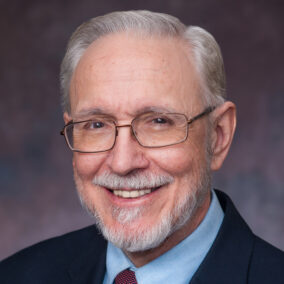
Dr. William M. LeoGrande is a non-resident fellow at the Quincy Institute and Associate Vice-Provost for Academic Affairs, Professor of Government, and Dean Emeritus of the School of Public Affairs at American University in Washington, D.C. He holds a Ph.D. in Political Science from the Maxwell School at Syracuse University. Dr. LeoGrande previously served on the staff of the Democratic Policy Committee of the United States Senate and the Democratic Caucus Task Force on Central America of the United States House of Representatives, He has been an International Affairs Fellow of the Council on Foreign Relations in New York, and a Pew Faculty Fellow in International Affairs.
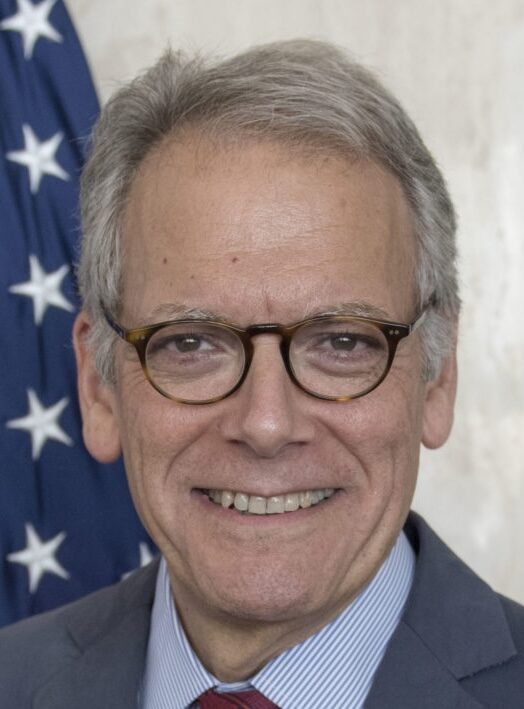
Ambassador (ret.) Jeffrey DeLaurentis is a distinguished fellow at the Stimson Center and a distinguished non-resident fellow for multilateral diplomacy at Georgetown University’s Institute for the Study of Diplomacy. During his 28-year career in the U.S. Foreign Service, Ambassador Jeffrey DeLaurentis worked almost exclusively on Western Hemisphere issues as well as on multilateral diplomacy efforts at the United Nations. He served as the first Charge d’Affaires at the U.S. Embassy in Havana following the re-establishment of diplomatic relations between the United States and Cuba during the Obama Administration. Prior to taking up his post in Havana in August 2014, he was the Ambassador for Special Political Affairs at the U.S. Mission to the United Nations.
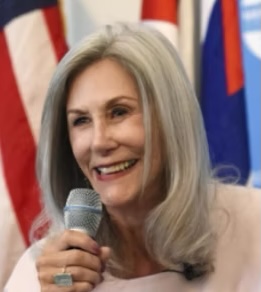
Ambassador (ret.) Vicki Huddleston was the U.S. Ambassador to Mali and to Madagascar and acting Ambassador in Ethiopia. She is a former U.S. Deputy Assistant Secretary of Defense for Africa. Earlier in her career she held the same position at the Department of State. Vicki was the Chief of the U.S. Interests Section in Havana from 1999 to 2002, during the custody battle between Fidel Castro and Cuban Americans over a five- year old child found floating on an inner tube in the Florida Straits. Ten years earlier, she was Deputy Coordinator and then promoted to Coordinator of Cuban Affairs at the U.S. Department of State. As a visiting fellow at the Brookings Institute she wrote with Ambassador Carlos Pascual “Learning to Salsa – New Steps in U.S.- Cuban Relations” that provided a blueprint for normalizing relations with Cuba, much of which President Obama followed.
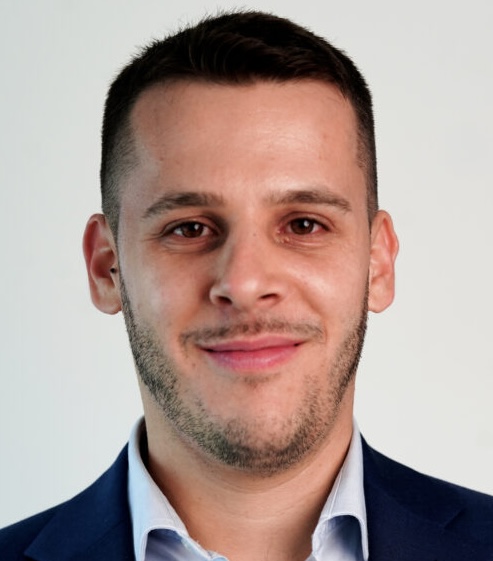
Lee Schlenker is a research associate with the Global South program at the Quincy Institute for Responsible Statecraft. Schlenker previously served as the policy director at an advocacy organization working to improve U.S.-Cuba relations, a journalist and producer with an award-winning independent media outlet, and Cuba program co-director and Northeast regional director at an international peace organization. Schlenker is a MA candidate in Latin American Studies at Georgetown University’s Edmund A. Walsh School of Foreign Service. He graduated summa cum laude from Middlebury College as an Independent Scholar in Latin American Urban Studies and is fluent in Spanish and conversant in Portuguese.