
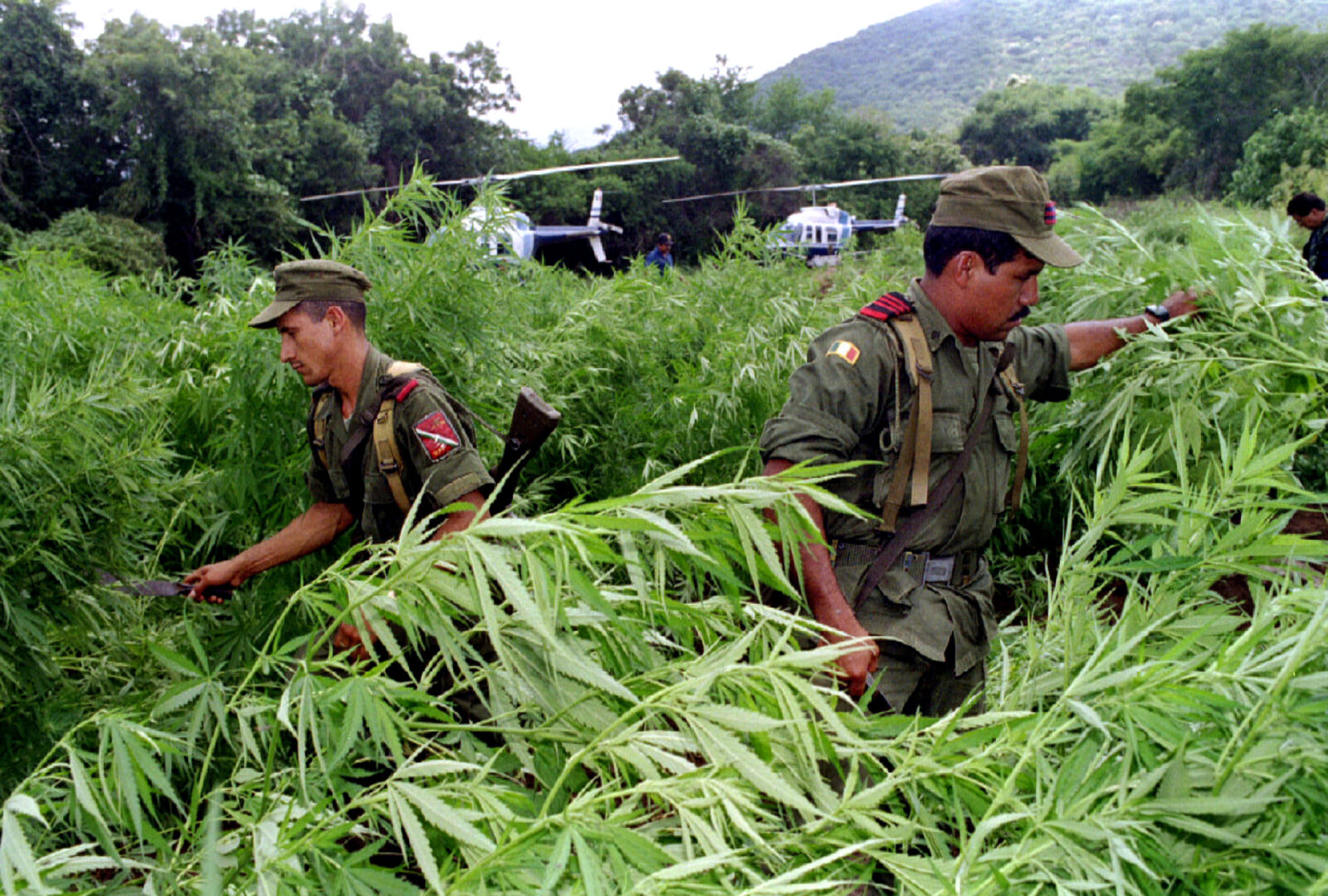
Book Talk | Policing on Drugs: The United States, Mexico, and the Origins of the Modern Drug War, 1969-2000
The designation of Mexican drug cartels as foreign terrorist organizations (FTOs) and calls to deploy U.S. military forces to Mexico are just the latest developments in the complex U.S.-Mexico relationship. Since the 1960s, the U.S. has provided billions of dollars in military and police assistance to help Mexico stem the flow of drugs across the border. This support for militarized drug policing has left an enduring mark on the country’s security landscape—yet has done little to stop illicit narcotics like fentanyl from killing thousands of U.S. citizens. As a top U.S. trade partner with whom the U.S. shares a vast border, Mexico is a key partner for U.S. counternarcotics objectives, yet the tensions resulting from decades of mutual securitization offer broader lessons for U.S. drug policy and security cooperation in Latin America.
To discuss all this and more, Sarang Shidore, director of the Global South Program at the Quincy Institute, will be speaking with Aileen Teague, assistant professor of international affairs at the Bush School of Government and Public Service at Texas A&M University, non-resident fellow at the Quincy Institute, and author of the recently published Policing on Drugs: The United States, Mexico and the Origins of the Modern Drug War: 1969-2000.
Program
Topics
Panelists
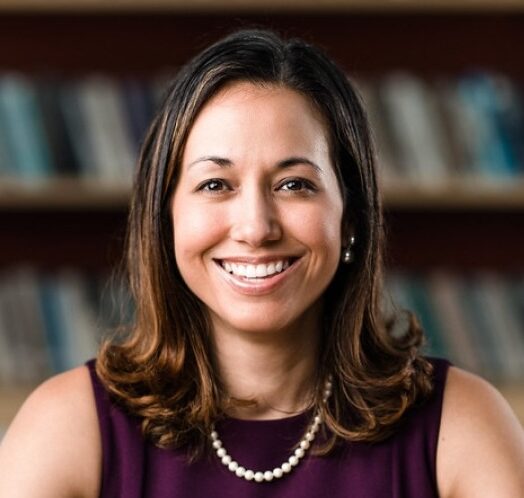
Aileen Teague is a non-resident fellow at the Quincy Institute and an assistant professor in the International Affairs Department at Texas A&M’s Bush School of Government and Public Service. She previously held a postdoctoral fellowship at Brown University’s Watson Institute for International and Public Affairs. She previously held a postdoctoral fellowship at Brown University’s Watson Institute for International and Public Affairs. Teague earned her Ph.D. in History from Vanderbilt University in 2018. Her research focuses on issues of interventionism, militarization, and drug control.
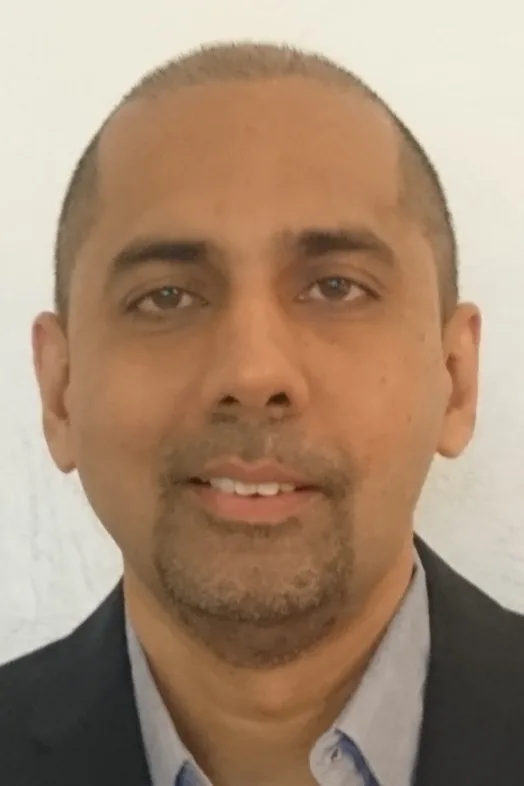
Sarang Shidore is director of the Global South Program at the Quincy Institute. He was also a member of the adjunct faculty at George Washington University, where he taught a class on the geopolitics of climate change. He researches and writes on the geopolitics of the Global South, Asia, and climate change. Sarang has published in Foreign Affairs, Foreign Policy, The New York Times, The Nation, South China Morning Post, The Diplomat, Council on Foreign Relations, Energy Policy, Energy Research & Social Science and others. He currently also serves as co-lead in the think-tank track (T20) of the G20 meetings.