
The True Cost of a $1.5 Trillion Pentagon Budget
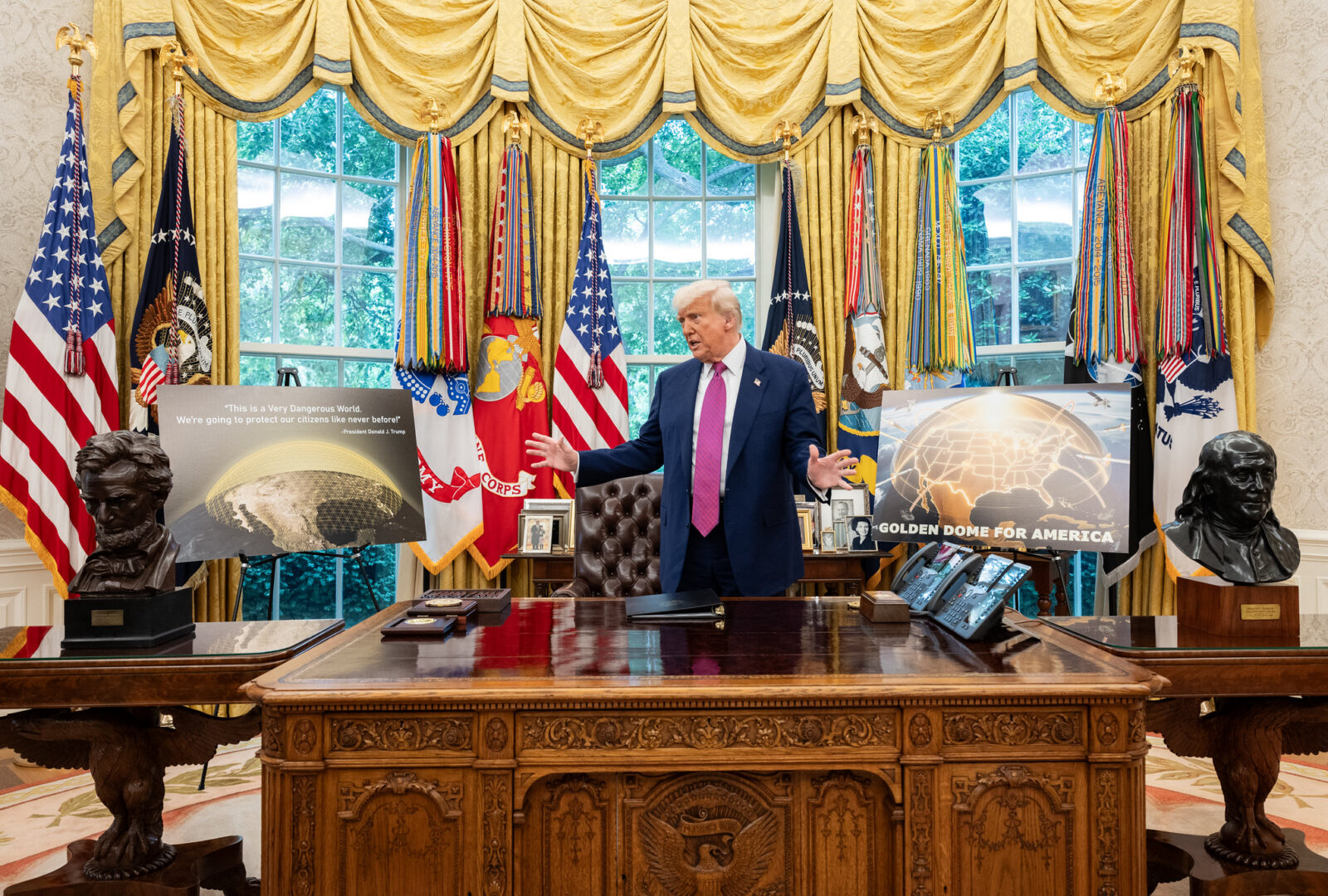
President Donald Trump has proposed a $1.5 trillion Pentagon budget, which would be a nearly $500 billion increase and the highest level of U.S. military spending since World War II. Neither Trump or any administration official has offered a compelling strategic justification for this unprecedented increase in military spending. Recent reporting has revealed that Trump budget officials can’t even figure out how to spend such an extraordinary sum and the President’s own budget chief has warned that it would further exacerbate the U.S.’s surging national debt. All of which raises myriad questions. Most notably, is there any strategic imperative for a $1.5 trillion Pentagon budget? And, what would the costs of that budget be to the American people?
To answer these and many more questions, Ben Freeman, the director of the Quincy Institute’s Democratizing Foreign Policy team and co-author of the recently released The Trillion Dollar War Machine spoke with Justin Logan, director of Defense and Foreign Policy Studies at The Cato Institute, Heidi Peltier, senior research associate in International and Public Affairs at Brown University, and Steve Kosiak, a Quincy Institute non-resident fellow with a long career of budget analysis at OMB, CSBA, CNAS, and elsewhere.
Panelists
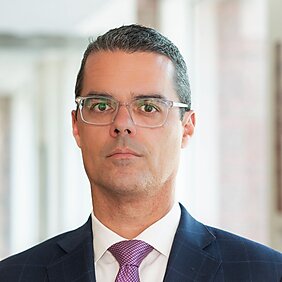
Justin Logan
Justin Logan is the director of defense and foreign policy studies at the Cato Institute. He is an expert on US grand strategy, international relations theory, and American foreign policy. His current research focuses on three subjects: the failure of US efforts at burden sharing in NATO; the shifting balance of power in Asia; and the limited relevance of the Middle East to US national security. He has authored numerous policy studies and articles on topics including international relations theory, US-China policy, US-Russia policy, stabilization and reconstruction operations, and the policy approaches to a nuclear Iran.
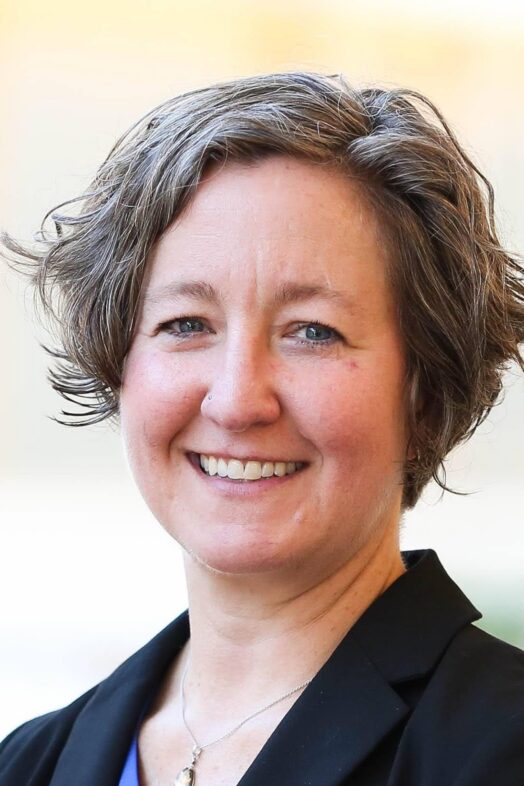
Heidi Peltier
Heidi Peltier is a Senior Researcher at the Watson School of International and Public Affairs at Brown University, where she is Director of Programs for the Costs of War Project. Dr. Peltier has written on topics including the employment impacts of military and other public spending; military contracting, or what she calls the “Camo Economy;” and other areas at the intersection of militarism and public finance. She has also written extensively on the employment impacts of the transition to a low-carbon economy. Dr. Peltier has served as a consultant with the U.S. Department of Energy, the United Nations Industrial Development Organization, the International Labor Organization and various other institutions.
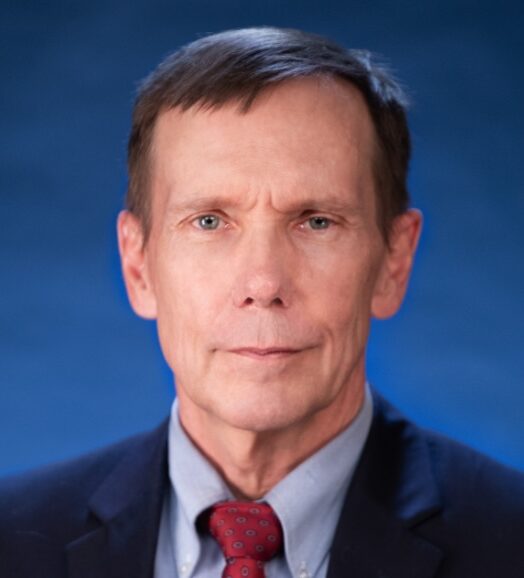
Steven Kosiak is a non-resident fellow at the Quincy Institute and a partner at ISM Strategies in Washington, D.C. He is also a senior adjunct faculty member at American University’s School of International Service (SIS) and an adjunct senior fellow at the Center for a New American Security (CNAS). Prior to joining ISM Strategies in the fall of 2014, he served for five-and-a-half years as the Office of Management and Budget (OMB) associate director for defense and international affairs and the senior White House official for national security and foreign policy budgeting. From 1996–2009 Mr. Kosiak was vice president for budget studies at the Center for Strategic and Budgetary Assessments (CSBA). From 2000–08 he was an adjunct faculty member at Georgetown University’s Security Studies Program.
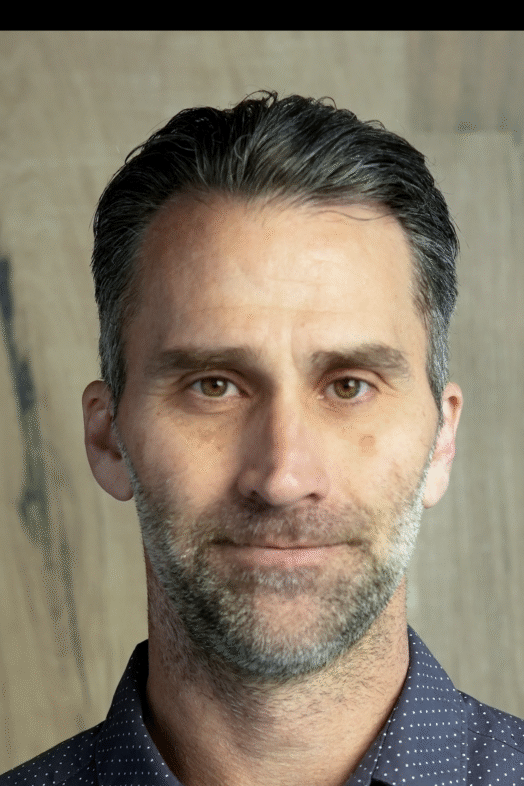
Ben Freeman is director of the Democratizing Foreign Policy program at the Quincy Institute. Ben is the co-author, with William Hartung, of the recently released The Trillion Dollar War Machine: How Runaway Military Spending Drives America into Foreign Wars and Bankrupts Us at Home. He investigates money in politics, defense spending, and foreign influence in America. He is the author of The Foreign Policy Auction, which was the first book to systematically analyze the foreign influence industry in the United States. Before joining the Quincy Institute, Ben founded the Foreign Influence Transparency Initiative at the Center for International Policy, served as Deputy Director of the National Security program at Third Way, and was a National Security Fellow at the Project On Government Oversight.