
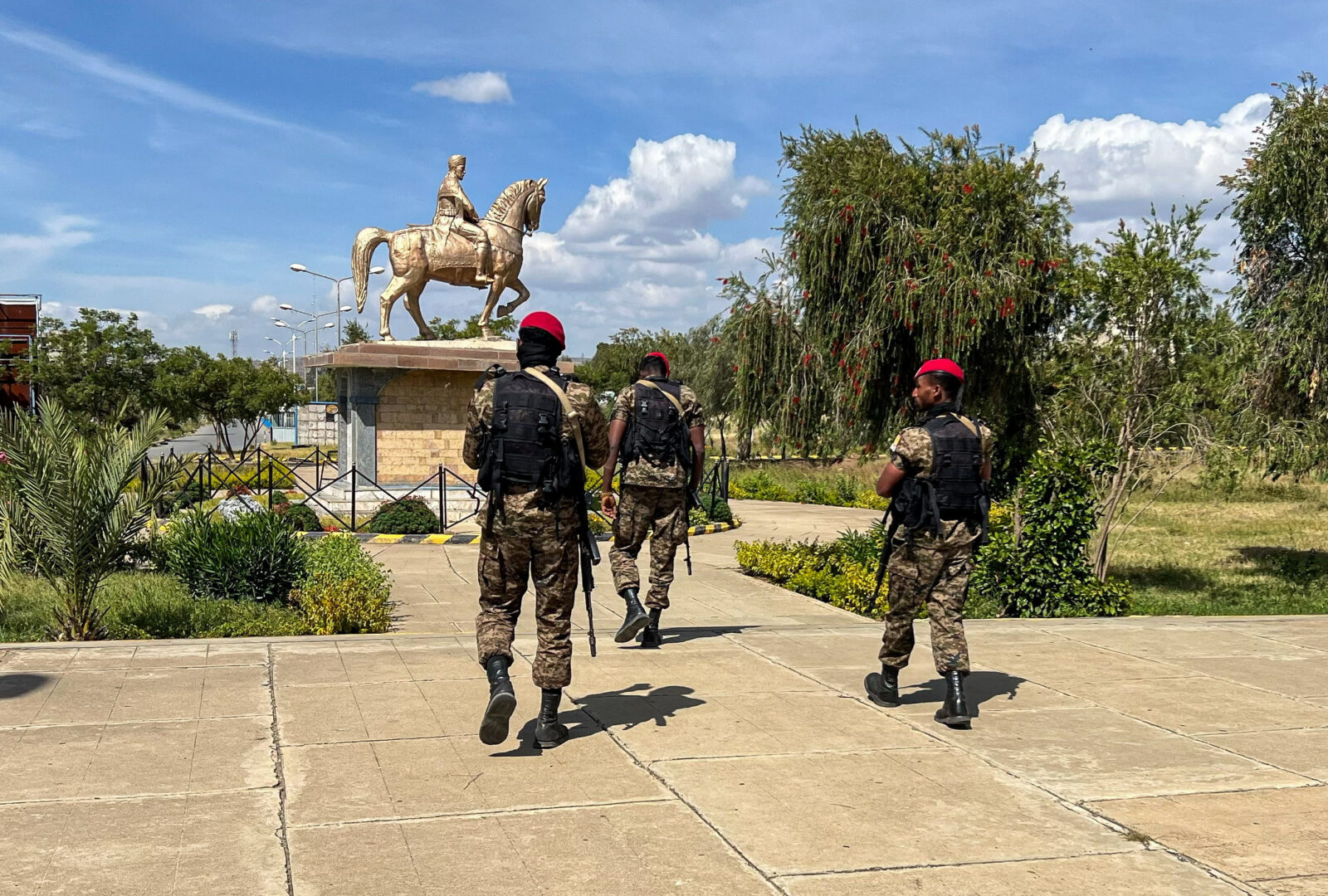
War in Ethiopia Begins Anew: Stakes for Africa and Beyond
In late September, seven groups opposed to Ethiopia’s federal government formed the Alliance for Survival with the explicit aim of removing Ethiopian president Abiy Ahmed from power. After initial territorial gains by the principal rebel group, the Tigray People’s Liberation Front (TPLF), the Ethiopian National Defence Force (ENDF) has recently repelled their advances, and has recaptured Tigray’s capital Mekelle.
But the conflict is at risk of evolving into a major regional war. Eritrea — which sits on Ethiopia’s north-east border — has reportedly sent troops into Ethiopian territory in support of the TPLF. Ethiopia’s desire to take over Eritrea’s Assab Port has raised tensions between the two in recent years. Meanwhile, Egypt, Somalia, and Sudan have expressed support for the Eritrean-TPLF side, while Ethiopia’s close ties with the Rapid Support Forces in Sudan’s civil war and the United Arab Emirates in the Gulf further complicates the geopolitical dynamic at play.
How does this impact the United States, and what role, if any, should the Trump administration play to reduce tensions in the Horn of Africa? Join the Quincy Institute for a discussion about the war in Ethiopia and its implications for the broader region. We will hear from Samar al-Bulushi, associate professor of anthropology at the University of California, Irvine and non-resident fellow at the Quincy Institute, Cameron Hudson, former CIA, NSC, and State Department official on Africa, Michael Woldemariam, associate professor of African security studies at the University of Maryland, and Alan Boswell, project director for the Horn of Africa at the International Crisis Group. Dan M. Ford, research associate for the Global South Program at the Quincy Institute, will moderate.
The conversation will take place on Thursday, October 29 from 11:00 AM – 12:00 PM ET.
Panelists
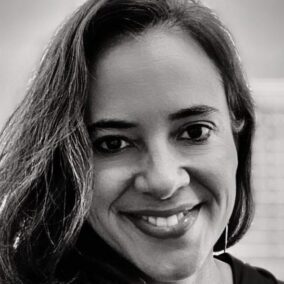
Samar al-Bulushi
Samar Al-Bulushi is a non-resident fellow at the Quincy Institute and Associate Professor of Anthropology at University of California, Irvine. Her research lies at the intersection of feminist geopolitics, race, militarism, imperialism, and transnational solidarities, with a primary regional focus on East Africa and the Red Sea arena. Her book, War-Making as World-Making: Kenya, the United States, and the War on Terror (Stanford University Press, 2024), documents the human impact of counter-terror policies in Kenya, where US-trained Kenyan police have been complicit in disappearances and extrajudicial killings. Al-Bulushi is a member of the editorial committee for MERIP (Middle East Research and Information Project) and has published in a variety of public outlets on topics ranging from the International Criminal Court to the militarization of U.S. policy in Africa.
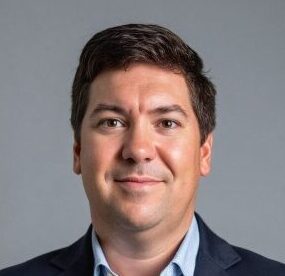
Cameron Hudson
Cameron Hudson is a senior fellow in the Africa Program at the Center for Strategic and International Studies (CSIS). He was previously a senior fellow at the Atlantic Council’s Africa Center, where his research focused on the democratic transitions and conflict in the Horn of Africa. Previously, Cameron served as the executive director of the United States Holocaust Memorial Museum’s Center for the Prevention of Genocide. Prior to that, Cameron served in a number of roles across the U.S. government. At the State Department, he served as the chief of staff to successive presidential special envoys for Sudan during the period of South Sudan’s separation from Sudan and the Darfur genocide. He also served during the Bush administration as the director for African affairs on the staff of the National Security Council at the White House.
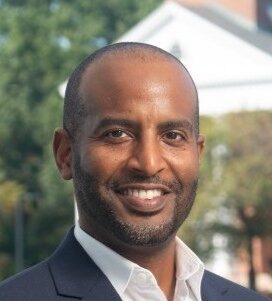
Michael Woldemariam
Michael Woldemariam is an associate professor and the PhD program director in the University of Maryland School of Public Policy, and a senior fellow at the Center for International & Security Studies at Maryland. Woldemariam’s teaching and research interests are in African security studies, with a particular focus on armed conflict in the Horn of Africa. Woldemariam’s scholarly work has been published in a wide-range of peer-reviewed journals, most recently in Contemporary Security Policy and Studies in Conflict and Terrorism. His popular essays have appeared in outlets such as Foreign Affairs, Foreign Policy, and Current History. His first book, Insurgent Fragmentation in the Horn of Africa: Rebellion and Its Discontents, was published with Cambridge University Press in 2018.
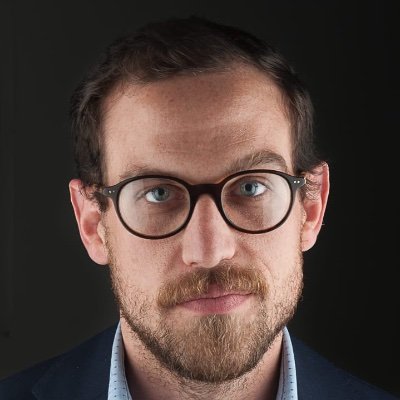
Alan Boswell
Alan is project director for the Horn of Africa at the International Crisis Group, overseeing Crisis Group’s work on Sudan, South Sudan, Ethiopia, Eritrea, Somalia and Kenya. He also focuses on regional diplomacy, regional geopolitics, and the role of outside powers (including Arab Gulf states) in the Horn of Africa. He has hosted Crisis Group’s The Horn podcast since its launch in 2019. Alan has worked in East Africa since 2009. Prior to joining Crisis Group in 2018, he advised numerous organisations (such as the Centre for Humanitarian Dialogue), published research papers with the Small Arms Survey, and was an associate of the Conflict Research Programme at the London School of Economics. Alan previously worked as a journalist, including as the Africa correspondent for McClatchy newspapers and as a correspondent for Time magazine, covering wars in the Horn, Central Africa, and Sahel.
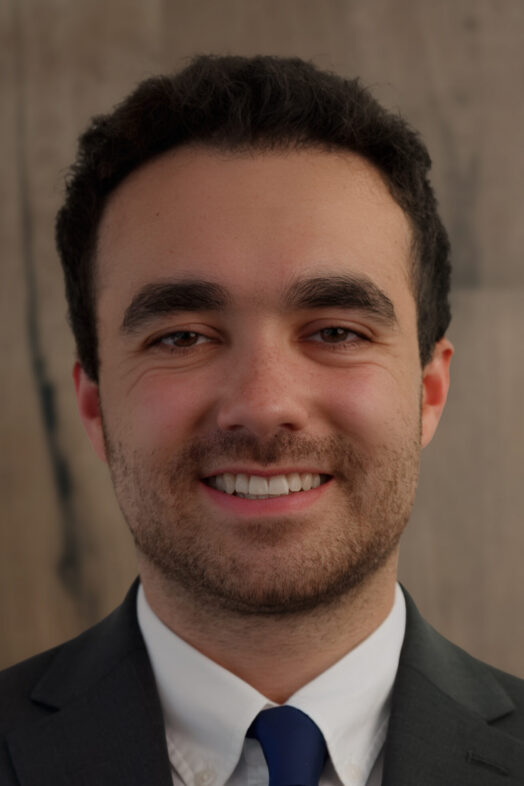
Dan M. Ford
Dan M. Ford is a research associate in the Global South Program at the Quincy Institute for Responsible Statecraft (QI). He primarily researches and writes about US foreign policy towards Africa, with a particular focus on the intersection of critical minerals and security in central Africa, the Horn, and the Sahel. Dan also covers cross-cutting issues related to the broader Global South, such as development finance and international trade. At QI, Dan has published research material on several subjects, including global public health, US trade with sub-Saharan Africa, and American development finance.