
Will Bukele Bring Peace to Haiti?
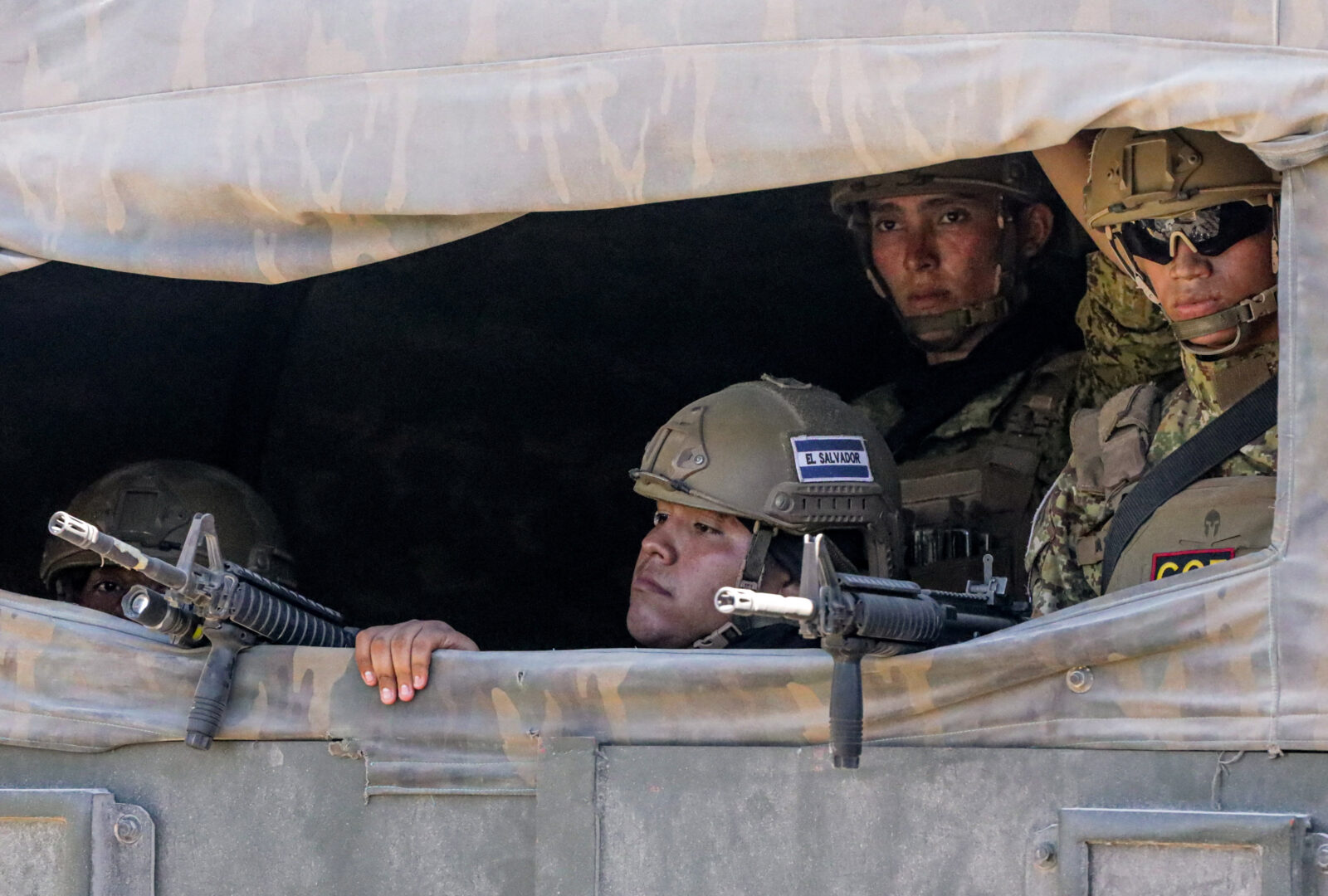
With President Trump’s blessing, Salvadoran President Nayib Bukele has dispatched thousands of special forces to Haiti in a test of whether his notorious gang crackdown at home will succeed where a UN-led gang suppression force, private U.S. mercenaries, and Haiti’s military and police have failed to improve the country’s devolving security panorama. As the U.S. expands its military footprint in the region and scores of aligned leaders eagerly adopt Bukele’s anti-crime playbook, the bold military operation raises several questions: How does it relate to ongoing U.S., UN, and private security efforts? Does this represent a new model for outsourcing U.S. security missions in the region? What are its impacts on El Salvador and Haiti’s upcoming 2027 elections? Will it bring peace, or more war, to Haiti?
Join a Quincy Institute discussion with prominent experts on the Caribbean and Central America as they discuss the mechanics of Bukele’s unilateral deployment to Haiti, its near-term implications for U.S.-backed regional military operations, and long-term prospects for the country’s fragile security and political landscape. We will hear from Sophie Rutenbar, expert consultant at the Global Initiative of Transnational Organized Crime; Jake Johnston, director of International Research at the Center for Economic and Policy Research; and Michael Paarlberg, non-resident fellow at the Center for International Policy. Lee Schlenker, research associate for Latin America at QI, will moderate.
The conversation will take place on Thursday, November 19th from 1:00 – 2:00 PM ET.
Panelists

Sophie Rutenbar
Sophie Rutenbar is a non-resident fellow at New York University’s Center on International Cooperation (CIC) and a foreign policy non-resident fellow at the Brookings Institution. A Council on Foreign Relations International Affairs Fellow for 2023-2024, she brings conflict prevention and peacebuilding expertise to both roles. Her current focus lies on understanding Haiti’s intricate socio-political landscape, exploring the interplay between economic and political elites shaping the nation’s trajectory. Her deep understanding of how these dynamics affect the wielding of political power and contribute to political stalemate is informed by more than three years living in Port-au-Prince. Working with the United Nations (UN) Integrated Office in Haiti (BINUH), she served as the strategic planner for the office of the Special Representative of the UN Secretary-General.
Jake Johnston
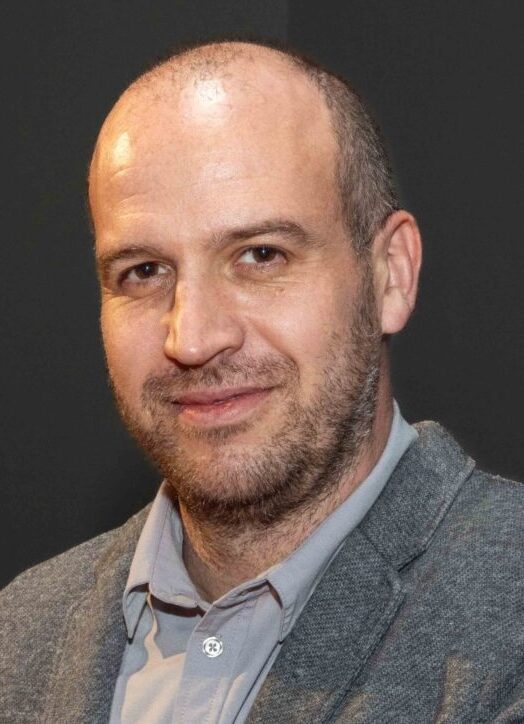
Jake is the director of International Research at CEPR. His research has focused predominantly on economic policy in Latin America, the International Monetary Fund, and US foreign policy. Jake has a BA in economics from Boston University and an MA in writing from Johns Hopkins University. He is the lead author for CEPR’s Haiti: Relief and Reconstruction Watch blog, and his articles and op-eds have been published in outlets such as The New York Times, The Nation, Le Monde diplomatique, and Al Jazeera. He is the author of Aid State: Elite Panic, Disaster Capitalism, and the Battle to Control Haiti from St. Martin’s Press.
Michael Paarlberg
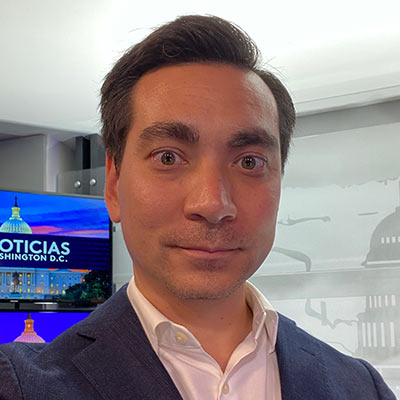
Dr. Paarlberg is an associate professor of political science at Virginia Commonwealth University, a senior nonresident fellow with the Center for International Policy, and an associate fellow with the Institute for Policy Studies who studies migration and security issues in Latin America and the US. He was previously a postdoctoral fellow with the Center for the Study of Ethnicity, Race and Immigration at the University of Pennsylvania. Paarlberg was the Chief Latin America Policy Adviser to the Bernie Sanders campaign in 2020 and a former journalist for The Guardian. He regularly publishes his work on El Salvador in news outlets such as Foreign Policy, Slate, El Faro, and the Washington Post, and his scholarship has been published in the journals Comparative Politics, Comparative Migration Studies, International Migration, Journal of Ethnic and Migration Studies and others.
Lee Schlenker (Moderator)
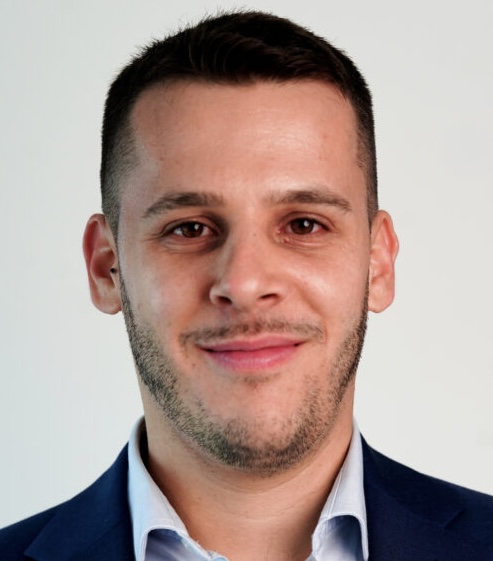
Lee Schlenker is a research associate with the Global South program at the Quincy Institute for Responsible Statecraft, where he focuses on Latin America. His research interests include US-Cuba relations, Colombian peace and security issues, counternarcotics, sanctions policy, and regional integration and geopolitics. Lee has written for Foreign Policy, The Guardian, The Hill, and The Intercept, and been quoted in The New York Times, Financial Times, Associated Press, Newsweek, Los Angeles Times and others. Before joining QI, he served as policy director at the Alliance for Cuba Engagement and Respect, producer with award-winning media outlet Belly of the Beast, and Cuba program director and Northeast regional director at Witness for Peace. He has conducted research on Latin American political and economic issues at Boston University, Brandeis University, the Center for Economic and Policy Research, Columbia University, and Corporación Escenarios.