Quincy Institute Leads Bipartisan Staff Delegation to Colombia
FOR IMMEDIATE RELEASE
July 24, 2026
CONTACT: Jessica Rosenblum, Quincy Institute, [email protected], 202.279.0005
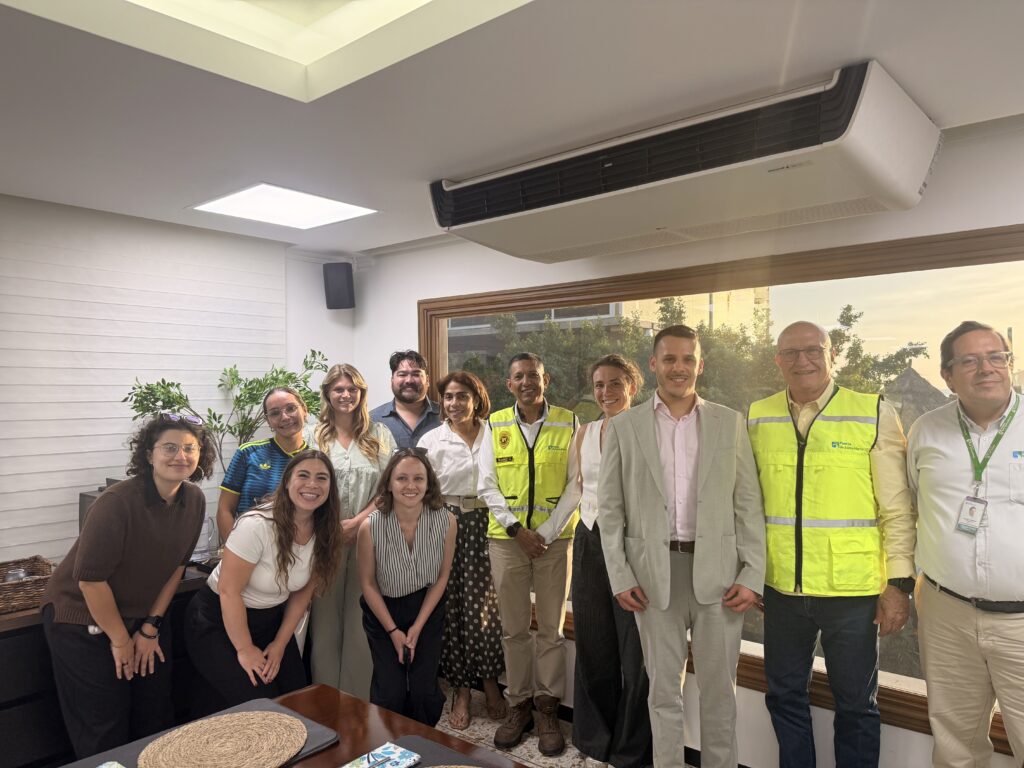
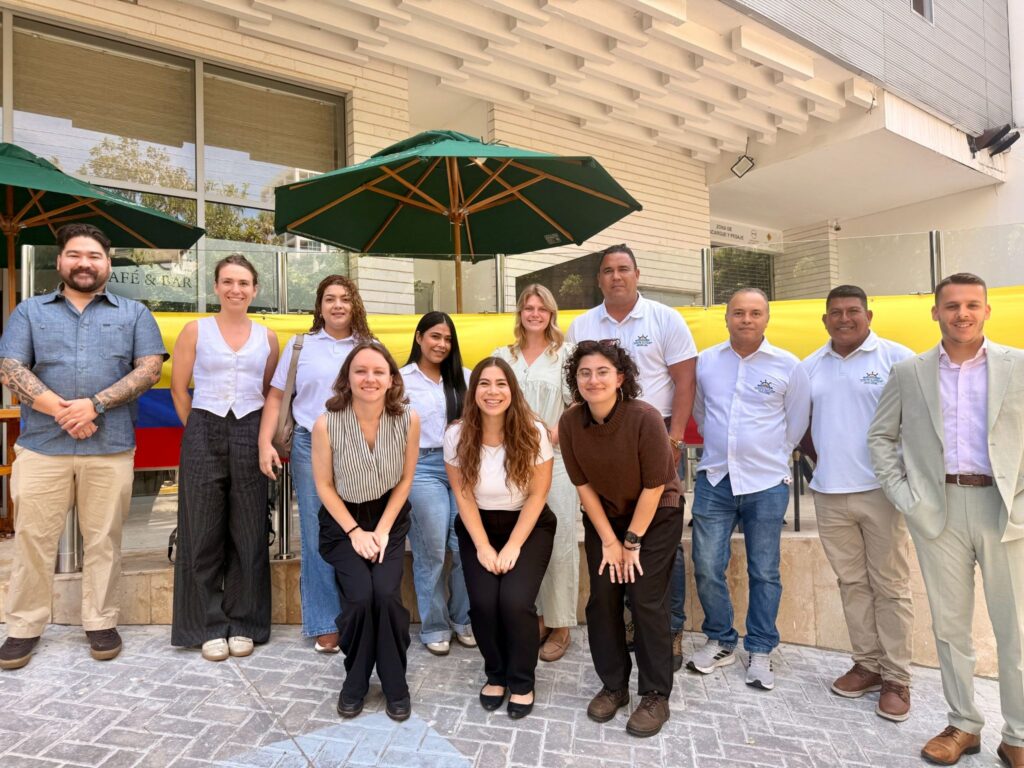
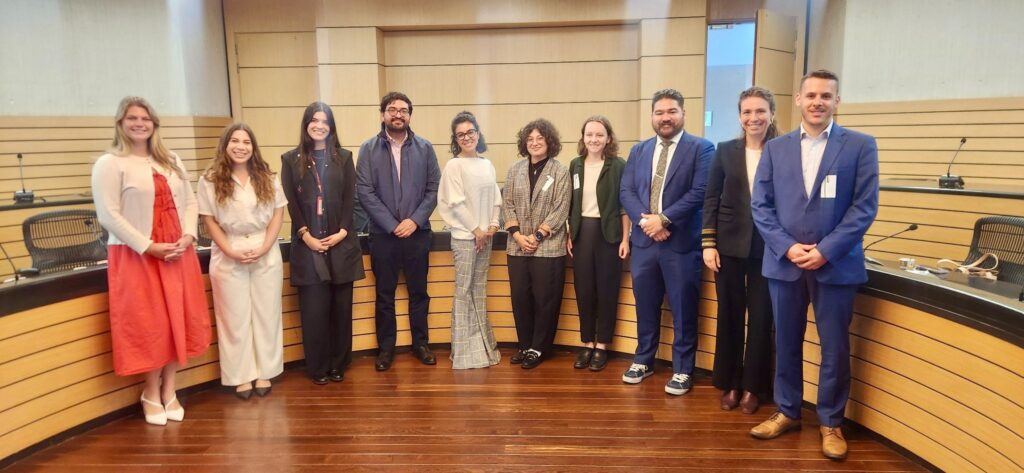
WASHINGTON — In mid-July, the Quincy Institute led a bipartisan delegation of congressional staff on a trip to Colombia, visiting Bogotá and Colombia’s northern Caribbean coast in order to examine the effects of US policy on the country and identify pathways to a more constructive US-Colombia relationship.
The Quincy Institute delegation provided key staff from four congressional offices with an opportunity to engage with Colombian government officials, academic, business and civil society leaders, and local communities to explore critical questions including what to expect from the upcoming presidential transition, how US boat strikes and military interventions have impacted Colombians and the region, US-Colombia counternarcotics strategies, and how US-China dynamics are shaping Colombian development.
“This trip was designed to give a real look at the impacts of U.S. policy in Colombia, from boat strikes on the coast to counternarcotics policy devised in the capital,” said Lee Schlenker, research associate at the Quincy Institute. “We saw firsthand how a more constructive relationship with Colombia is in reach, if Washington can trade its over-militarized approach to the region with multifaceted cooperation.”
“Staff delegations like this can play a critical role in building a more responsible U.S. foreign policy,” said Tori Bateman, director of advocacy at the Quincy Institute. “The upcoming presidential transition in Colombia could have a big impact on the U.S.-Colombia dynamic. After meetings with Colombian government and community leaders, we hope that this bipartisan group of Congressional staff is better prepared to engage with policy issues as they arise, and to build a constructive approach to the bilateral relationship.”
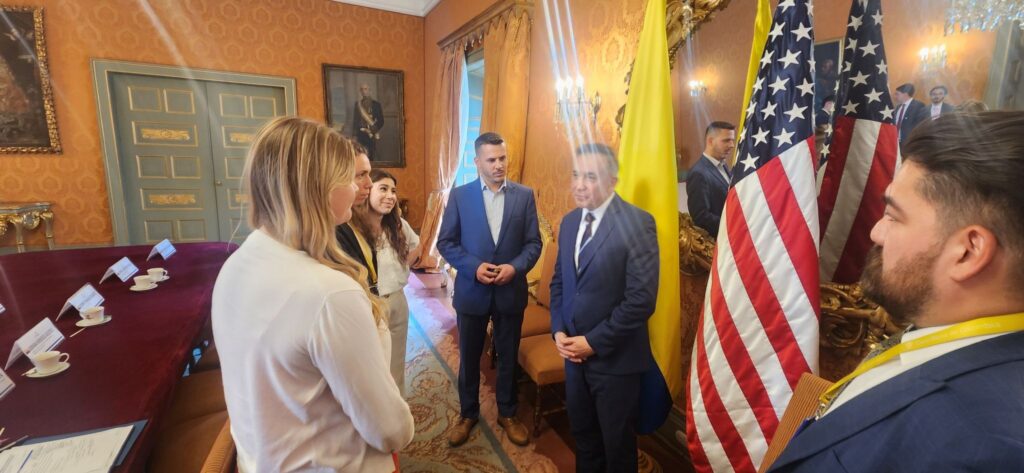
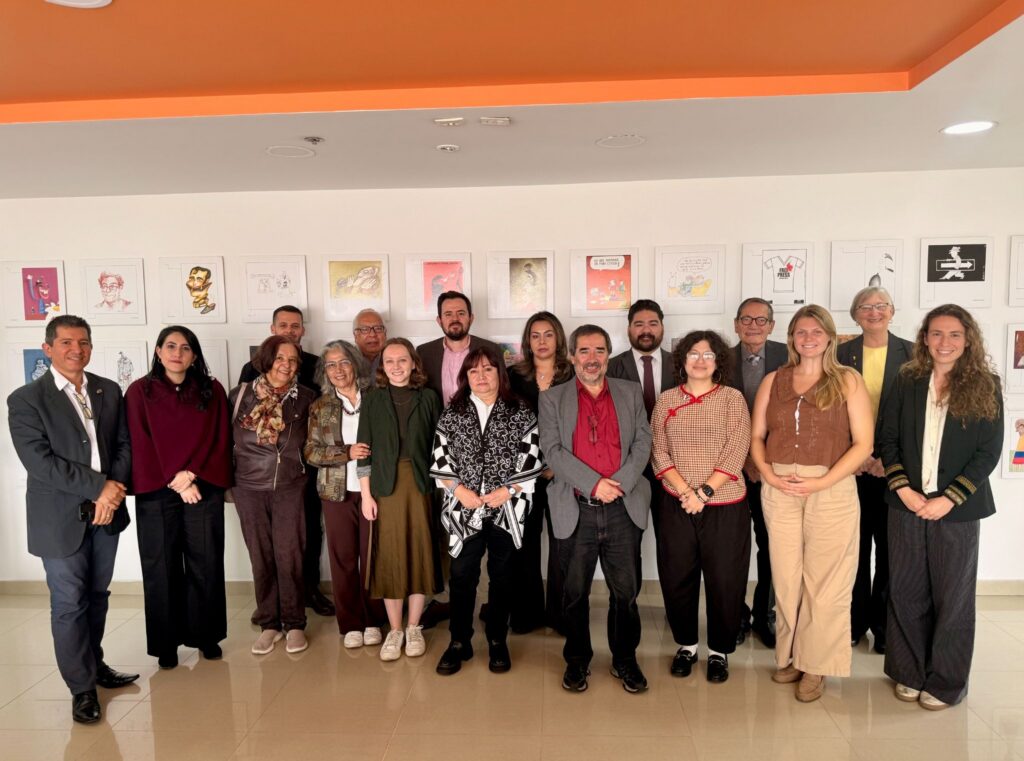
In Bogotá, the delegation met with the Mayor’s Office of International Relations on the city’s global partnerships, with Colombia’s Ministry of Foreign Affairs and High Commissioner for Peace, and the U.S. Embassy on the state of US-Colombia relations ahead of the presidential transition.
“We must develop relationships with our global neighbors based on respect, sovereign equality, and cooperation to take on common challenges,” said Sara Engelhard, Foreign Policy Advisor to Rep. Delia C. Ramirez. “Delegation trips allow staff to understand the impact of American policies on our neighbors and help us to advance policy centered on respect and dignity. I am incredibly grateful to the Quincy Institute for inviting me on this delegation and the Colombians we met with for hosting us so graciously.”
The delegation also visited Colombia’s Illicit Crop Substitution Directorate, which works with farming communities to move away from coca cultivation. Quincy Institute research on 25 years of US-Colombia counternarcotics cooperation has found that this kind of investment in rural development, state presence, and the rule of law — paired with targeted security efforts — reduces cocaine production more durably than heavily militarized measures like aerial fumigation or the current US campaign of strikes on alleged drug boats in the Caribbean.
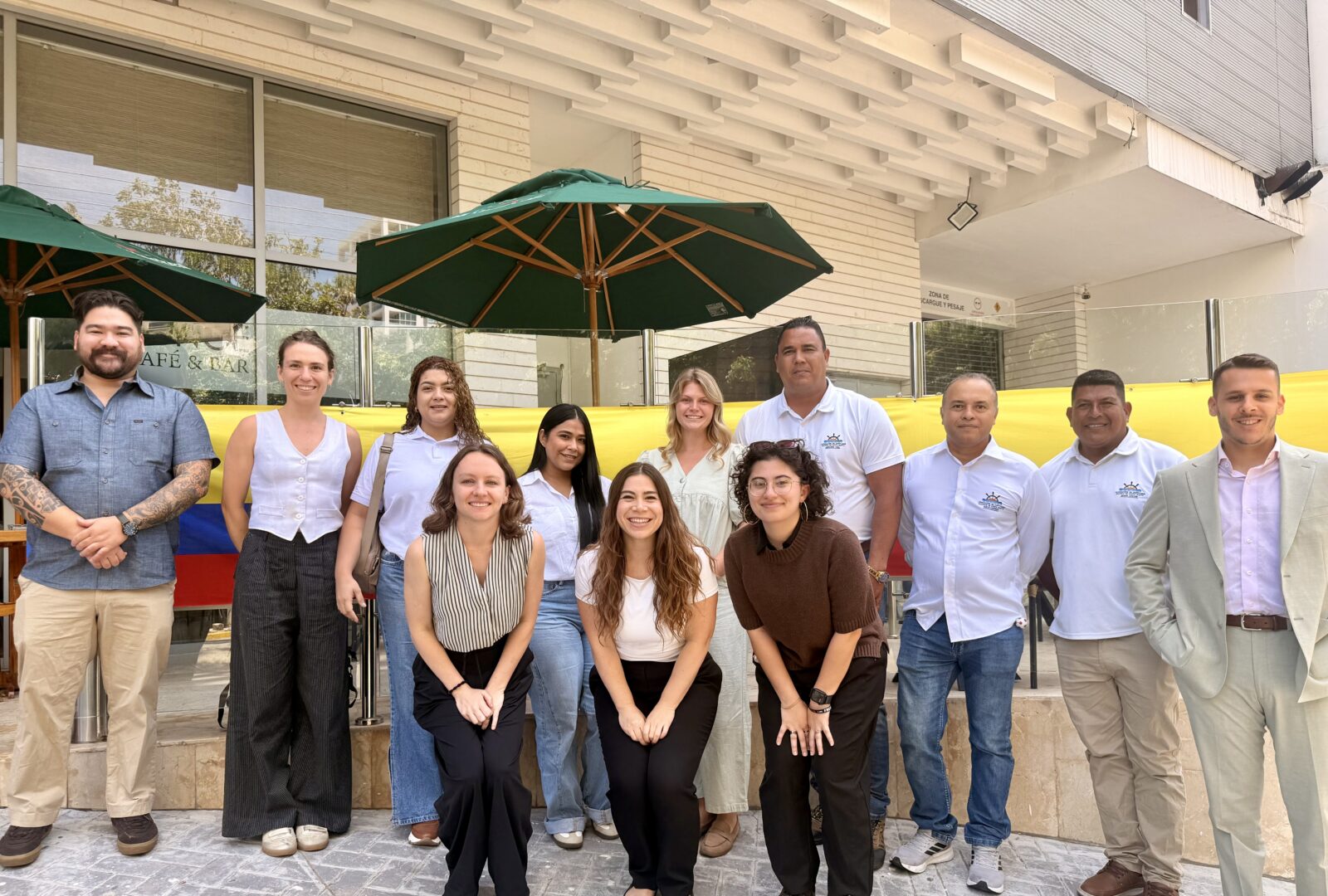
In Santa Marta, staffers heard from fishermen about the impact of US boat strikes in the Caribbean on their livelihoods, toured the Port of Santa Marta, and discussed the local economy with experts at the University of Magdalena; in Bogota, the delegation also met with civil society organizations, business leaders, and academic experts on Colombia’s economy, human rights landscape, and position amid US-China competition in the region.
The trip is part of the Quincy Institute’s ongoing work connecting congressional staff directly with the officials, experts, and regular people that shape global politics — so they can see for themselves the challenges facing America abroad, and why doing the hard work of diplomacy and non-military engagement with the world is worth it.
Pictures from the Trip: