
The Gulf Isn’t Ready for a Renewed Iran War
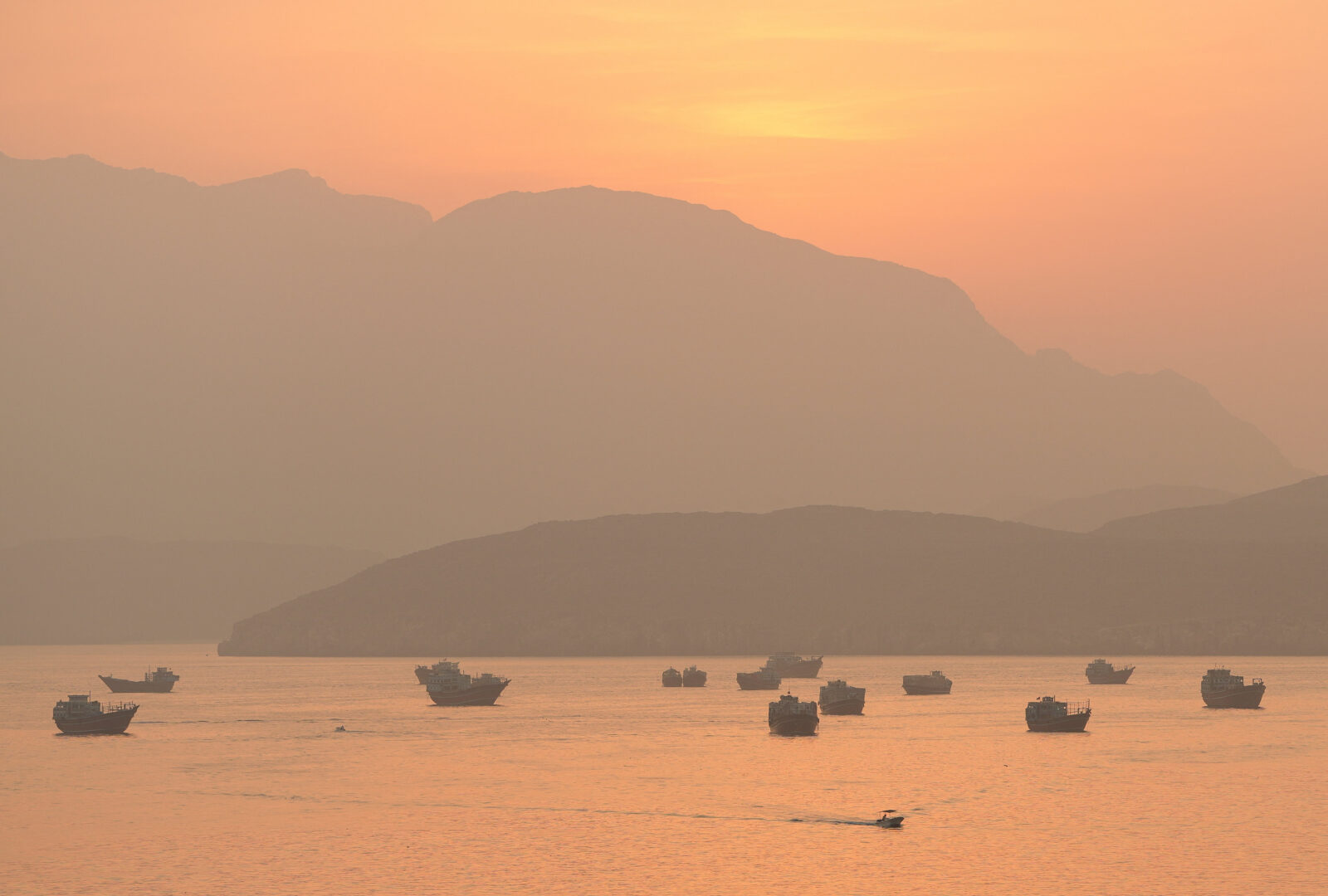
By the narrow measure of barrels shipped, the Persian Gulf has weathered eight months of war better than most energy analysts expected. Oil shipments through the Strait of Hormuz and alternative routes averaged more than 24 million barrels a day in the week ending Oct. 18, above the prewar level of 23.3 million, according to the ship-tracking firm Kpler. JPMorgan analysts wrote last week that energy markets are “converging on a forever conflict” and that view has encouraged a belief in the Trump administration that the region can absorb another round of fighting.
That view confuses how much oil and gas are still flowing from the Gulf with the state of the plants and terminals that move it. Since the war began on Feb. 28, Iranian missiles and drones have damaged refineries, liquefied natural gas (LNG) trains, and export terminals across the Gulf, and the Houthis have opened a second front in the Red Sea. Much of what has been lost will take years to rebuild. The cost will fall mostly on importers in Asia, Europe, and the developing world that built their energy systems around reliable Gulf supply.
U.S. and Israeli planners have drawn up options for a short, intensive campaign against Iran’s nuclear facilities, missile and drone arsenals, and energy infrastructure after the U.S. midterm elections on Nov. 3, the New York Times reported last week. President Trump has not approved it. This week, the Wall Street Journal reported that Washington has told Gulf governments to prepare for such an offensive. Iranian officials have responded by naming Saudi oil facilities, Gulf data centers, and undersea cables as targets. The next round would likely concentrate on the assets and importers that Gulf states can least afford to lose.
The Gulf’s reputation as a dependable supplier rests on decades of investment as much as on geology. After the 1973 oil embargo, consumer nations created the International Energy Agency (IEA), and the 1980 Carter Doctrine committed the United States to keeping the Gulf open by force. After the 1991 Gulf War and the 2003 invasion of Iraq, Gulf states invested in redundancy. Saudi Arabia expanded the East-West pipeline to the Red Sea port of Yanbu, the United Arab Emirates built a pipeline to Fujairah to bypass Hormuz, and Riyadh kept spare production capacity in reserve. All of this assumed that U.S. power would protect the region’s infrastructure or at least deter attacks on it. This year’s fighting has overturned that assumption.
Related
A Post-US Regional Order? The Shifting Security Architecture in MENA Amid the Iran War
Join us a for discussion of the future of the Middle East’s security architecture.
Whither Trump’s Iran Deal?
Join us for a discussion of the ongoing U.S.-Iran nuclear talks.