
What is the New Paradigm of US-Venezuela Relations Post-Maduro?
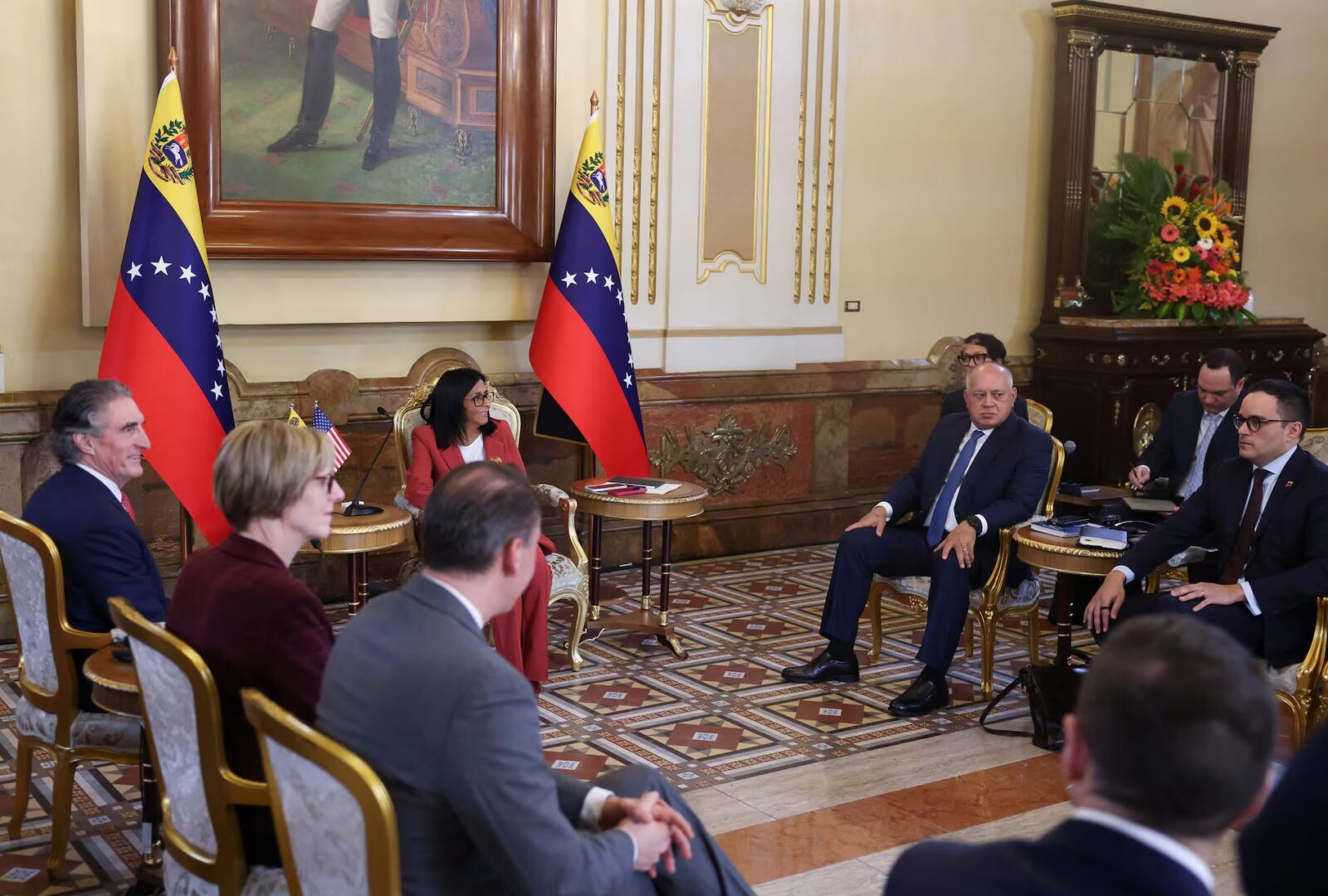
Ninety days after the United States’ dramatic kidnapping of Venezuelan President Nicolas Maduro and the bombing of Caracas, US-Venezuela relations have witnessed a historic turnaround. The two countries have restored diplomatic ties, Venezuelan oil and mining sector sanctions have been lifted, and Trump has praised the leadership of Maduro’s vice president Delcy Rodríguez while seemingly sidelining opposition leader Maria Corina Machado. Yet while high-ranking US officials and executives flock to Caracas, the country’s political and economic decisions remain largely under US control, the threat of renewed military action looms overhead, and the restoration of sovereignty over some of Venezuela’s internal affairs appears to be indefinitely delayed.
The Quincy Institute held a discussion with prominent regional experts to discuss the future of the United States’ economic, political and security relationship with Venezuela in the wake of the first of the first US military intervention in South American history and what this portends for US strategy toward Latin America and the Caribbean under the second Trump administration. We heard from Francisco Rodríguez, senior research fellow at the Center for Economic and Policy Research, Julia Buxton, regional head for Latin America at Oxford Analytica and Orlando J. Perez, professor of Political Science at the University of North Texas at Dallas. Lee Schlenker, research associate in QI’s Global South program, moderated.
Panelists
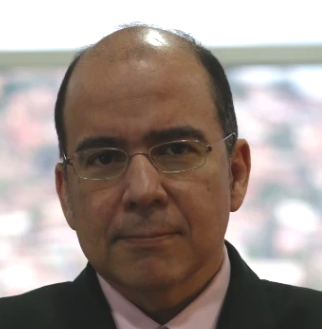
Francisco Rodríguez
Francisco Rodríguez is the Rice Family professor of the Practice of International and Public Affairs at the University of Denver’s Josef Korbel School of Global and Public Affairs. A native of Venezuela, he is also the founder of Oil for Venezuela, a non-profit organization focused on finding solutions to Venezuela’s humanitarian crisis. He received a Ph.D. in economics from Harvard University and an undergraduate degree in economics from Venezuela’s Universidad Católica Andrés Bello.He has held prominent positions in the public and private sector and international organizations, including Head of the Economic and Financial Advisory of the Venezuelan National Assembly (2000-2004), Head of the Research Team of the United Nations’ Human Development Report Office (2008-2011) and Chief Andean Economist of Bank of America (2011-2016). Rodríguez is the author of four books and more than sixty research articles.
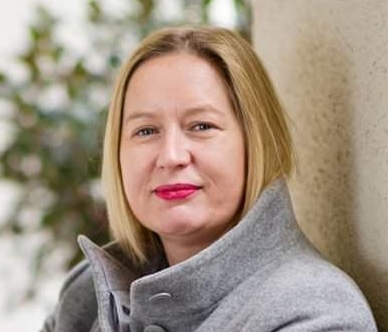
Julia Buxton
Julia Buxton is professor of Justice Studies at Liverpool John Moores University. She was previously British Academy Global Professor at the University of Manchester, and Associate and Acting Dean in the School of Public Policy at Central European University, Budapest. Her PhD (London School of Economics 1998) was published as The Failure of Political Reform in Venezuela. She is a region head (Andes) at the risk consultancy firm Oxford Analytica and also a Senior Research Associate at the Global Drugs Policy Observatory at the University of Swansea. Previously, she has held research, teaching and/or management positions in Peace Studies at the University of Bradford, Georgetown University (School of Foreign Service) and Kingston University.
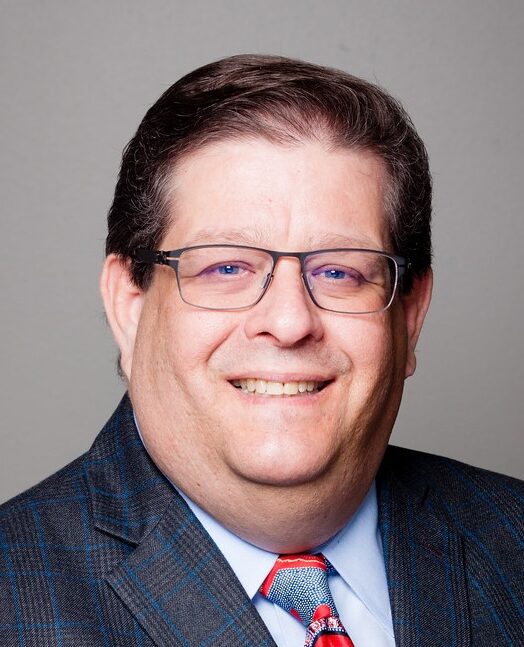
Orlando J. Perez
Orlando Pérez is professor of Political Science at the University of North Texas at Dallas, where he served as Dean of the School of Liberal Arts & Sciences. He was previously Associate Dean of the College of Arts, Humanities & Social Sciences at Millersville University and Chair of the Political Science Department at Central Michigan University. He has worked as a consultant on various topics, such as public opinion surveys, democratization, civil-military relations, and anti-corruption issues for USAID and the UNDP. He authored “Civil-Military Relations in Post-Conflict Societies: Transforming the Role of the Military in Central America”; co-authored “Making Police Reform Matter in Latin America”, and co-edited Democracy and Security in Latin America: State Capacity and Governance under Stress. He served on the Scientific Support Group for the Latin American Public Opinion Project at Vanderbilt University and directed the Americas Barometer survey in Panama and Honduras.
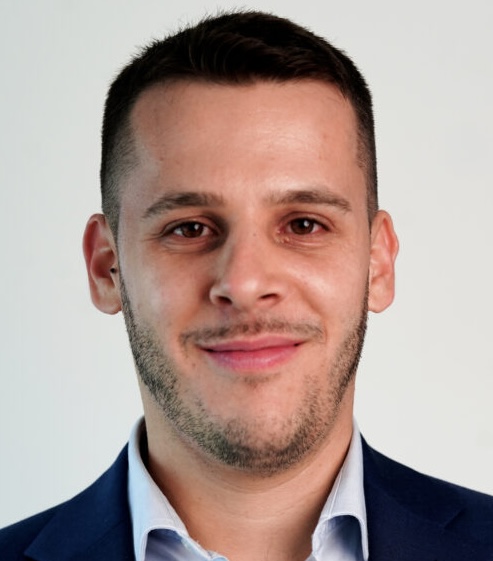
Lee Schlenker is a research associate with the Global South program at the Quincy Institute for Responsible Statecraft. Schlenker previously served as the policy director at an advocacy organization working to improve U.S.-Cuba relations, a journalist and producer with an award-winning independent media outlet, and Cuba program co-director and Northeast regional director at an international peace organization. Schlenker’s work has been published and/or cited in The Guardian, Responsible Statecraft, Jacobin, Newsweek, ESPN, NPR, The Nation, The Hill, Miami New Times, USA Today, La Jornada, Boston Review and The American Prospect, among others, and he has conducted research on Latin American political and economic issues at Boston University, Brandeis University, the Center for Economic and Policy Research, Columbia University, and Corporación Escenarios.