
Extending New START and Revitalizing Great Power Nuclear Cooperation
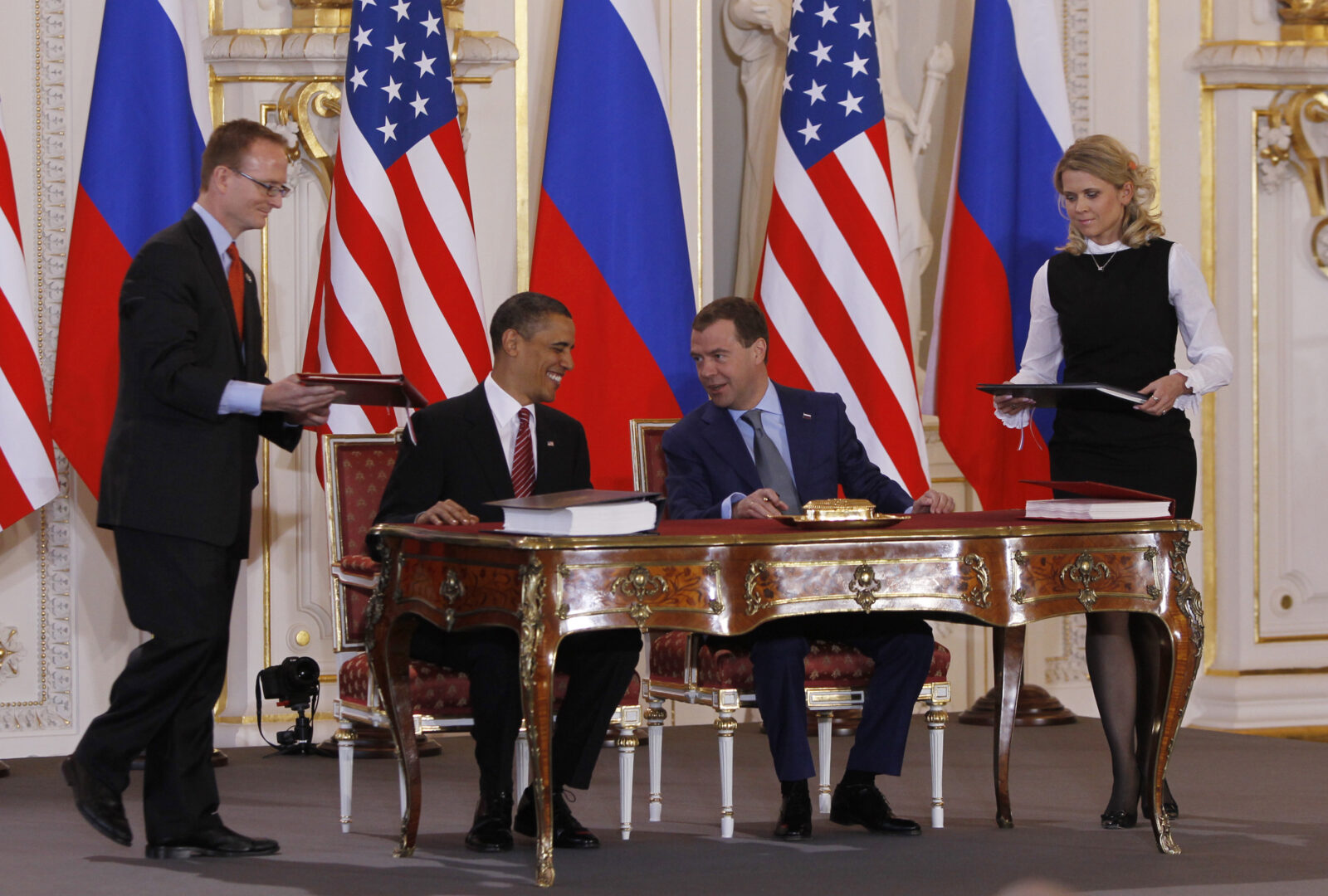
New Strategic Arms Reduction Treaty (START), the last standing bilateral nuclear arms control agreement between the United States and Russia, expired on February 5th. With New START’s end and absent any successor agreement, remaining guardrails on nuclear weapons proliferation would lapse and pave the way for an unrestrained nuclear arms race between the United States, Russia, and China.
What is the likely road ahead, and how do we approach the pragmatic imperative of preventing an expensive and destabilizing nuclear arms race? The Quincy Institute held a discussion of the history of nuclear great power cooperation and how to revitalize it in this current moment. It featured QI non-resident fellows Pavel Devyatkin and Ariel Petrovics, authors of two new QI’s briefs on nuclear cooperation respectively: “Strategic Prudence and Extending New START” and “Prospects and Problems for Reinvigorating Superpower Nuclear Cooperation”. They were joined by Thomas Countryman, former under secretary for Arms Control and International Security and assistant secretary for International Security and Nonproliferation (ISN). Marcus Stanley, director of studies at the Quincy Institute, will moderate the conversation.
Panelists
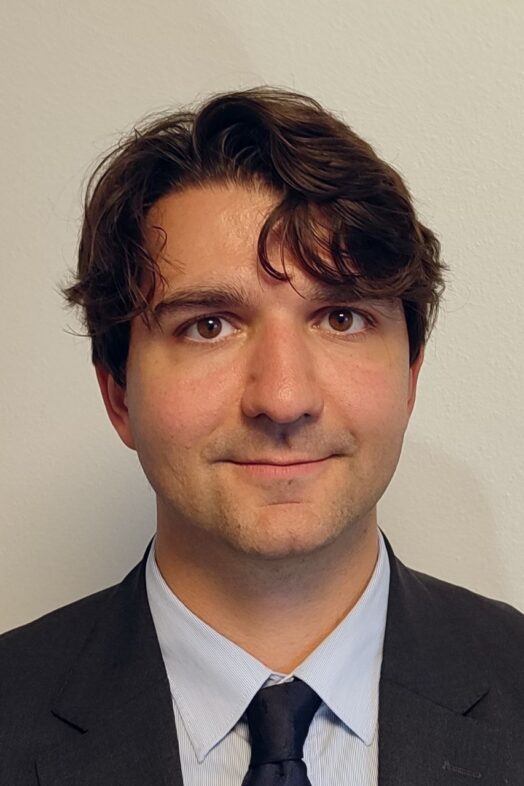
Pavel Devyatkin
Pavel Devyatkin is a non-resident fellow at the Quincy Institute and a senior associate and member of the Leadership Group of The Arctic Institute. He conducts research, teaches B.A. and M.A. courses on international relations and Arctic policy at the Higher School of Economics, and provides consultations to international companies, diplomats, and academic institutions on Arctic affairs. His research on Arctic security, cooperation, and U.S.–Russia–China relations has been published by the U.S. Department of Defense, Polar Journal, Russian International Affairs Council, Responsible Statecraft, Strategic Analysis, Jordan Center for the Advanced Study of Russia at NYU, and others.

Ariel Petrovics
Ariel Petrovics is a non-resident fellow at the Quincy Institute, and an assistant research scholar at the Center for International and Security Studies (CISSM) at the University of Maryland. Her research examines nuclear proliferation and the risks of counterproductive consequences in security strategies. Her book project compares foreign policy effectiveness for inducing nuclear reversal, while related research evaluates engagement strategies with renegade regimes, and the effects of new proliferators on international security, and the risk of counterproductive consequences in foreign policies.
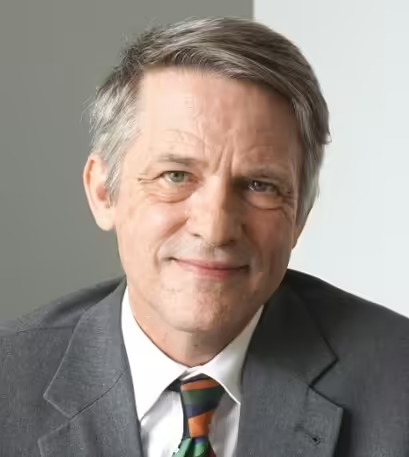
Thomas Countryman
Thomas Countryman is the former under secretary for Arms Control and International Security and assistant secretary for International Security and Nonproliferation (ISN). Prior to retiring in January 2017, Countryman served over 35 years as a Foreign Service Officer. He received several Superior Honor Awards for his work and in 2007 received the Presidential Meritorious Service award. Since 2017, Tom has served as Chairman of the Board of Directors for the Arms Control Association.

Marcus Stanley
Marcus Stanley is director of studies at the Quincy Institute for Responsible Statecraft. Dr. Stanley has a PhD in public policy from the Kennedy School of Government. Prior to joining the Quincy Institute he had a background as an economist, including as an assistant professor in the Department of Economics at Case Western Reserve University, a senior economist at the Joint Economic Committee of the U.S. Congress, an economic and policy advisor to Senator Barbara Boxer, and the policy director at Americans for Financial Reform, where he played a leadership role in efforts to reform regulation of the U.S. financial system.