
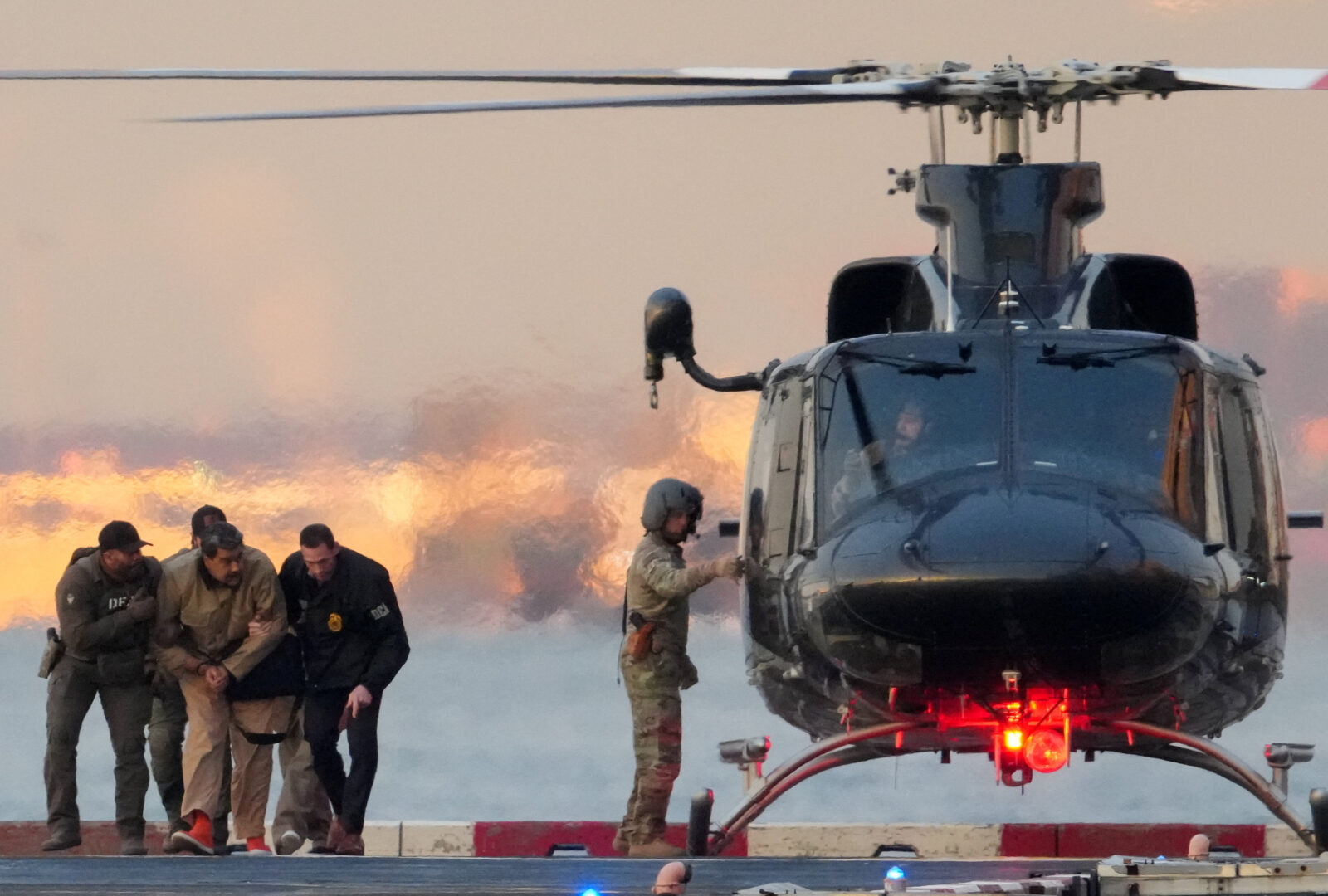
Interventionism on Steroids – The Trump Takeover of Venezuela
On January 3, 2026, the United States launched a complex military operation against Venezuela, conducting airstrikes across Caracas and other key locations, and captured Venezuelan President Nicolás Maduro and his wife. Maduro was seized and flown out of the country to face criminal charges in the United States. According to the Trump administration, the United States will govern Venezuela until a “safe, proper and judicious transition” occurs, the timeframe of which remains undefined.
This intervention — the most audacious U.S. military project in Latin America in decades — has rapidly reshaped the geopolitical landscape. International reactions range from strong condemnation by regional governments who decry violations of sovereignty to allied statements that welcome the removal of Maduro’s authoritarian regime. What is likely to happen now in Venezuela? Will this be a successful regime change operation, or will it follow the path of Iraq and Libya? What will be the implications of the administration’s assertion of America’s domination of the Western Hemisphere, and how will regional states react in the long run? And what are the global implications? Will this set a precedent that China will use in Taiwan, for instance?
To discuss these questions and more, QI held a conversation featuring John Mearsheimer, non-resident fellow at the Quincy Institute and the R. Wendell Harrison distinguished service professor of Political Science at the University of Chicago, Miguel Tinker Salas, non-resident fellow at the Quincy Institute and professor emeritus of Latin American History at Pomona College, and Curt Mills, executive director of The American Conservative magazine. Kelley Beaucar Vlahos, senior advisor for the Quincy Institute and editor-in-chief at Responsible Statecraft, moderated the conversation.
Panelists
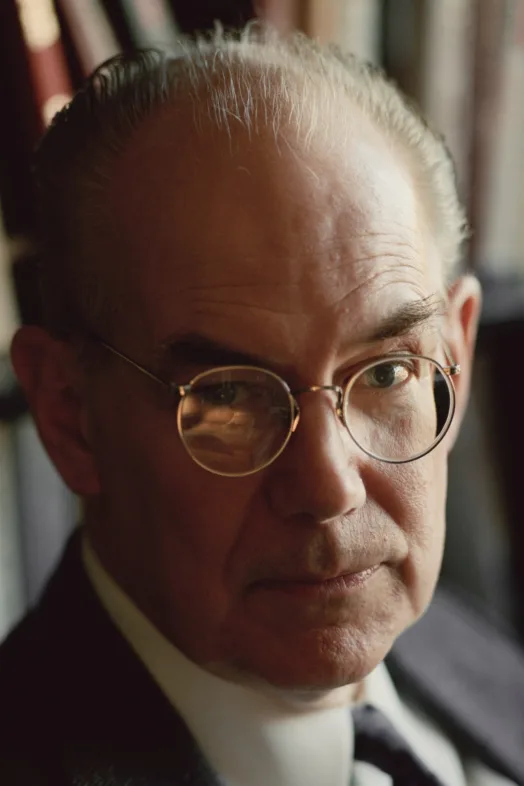
John Mearsheimer
John J. Mearsheimer is a non-resident fellow at the Quincy Institute and the R. Wendell Harrison distinguished service professor of Political Science at the University of Chicago, where he has taught since 1982. He graduated from West Point (1970), has a PhD in political science from Cornell University (1981), and has written extensively about security issues and international politics. Among his six books, The Tragedy of Great Power Politics (2001, 2014) won the Joseph Lepgold Book Prize, and The Israel Lobby and U.S. Foreign Policy (with Stephen M. Walt, 2007), made the New York Times bestseller list and has been translated into twenty-four languages. His latest book is The Great Delusion: Liberal Ideals and International Realities (2018), which won the 2019 Best Book of the Year Award from the Valdai Discussion Conference, Moscow.
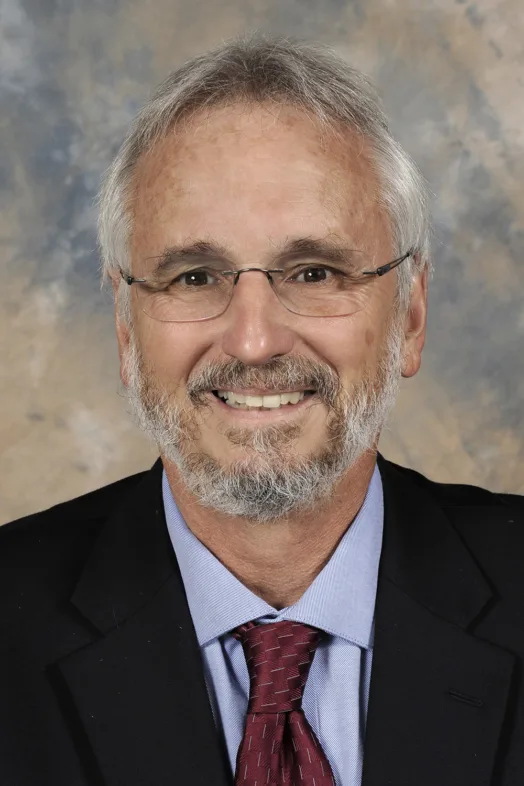
Miguel Tinker Salas
Miguel Tinker Salas is a non-resident fellow at the Quincy Institute and professor emeritus of Latin American History, and Chicano/a Latino/a Studies at Pomona College. His research includes work on contemporary Mexico and Venezuela. His research also examines the interconnection between politics, culture and oil in Venezuela. With Steve Ellner he co-edited, “Venezuela, Hugo Chávez and the Decline of an Exceptional Democracy”, published by Rowman and Littlefield. With Duke University he published the “Enduring Legacy, Oil Culture and Society in Venezuela” and with Oxford Press he published, “Venezuela, What Everyone Needs to Know”. He is co-editor of The Venezuela Reader, under submission to Duke University Press.
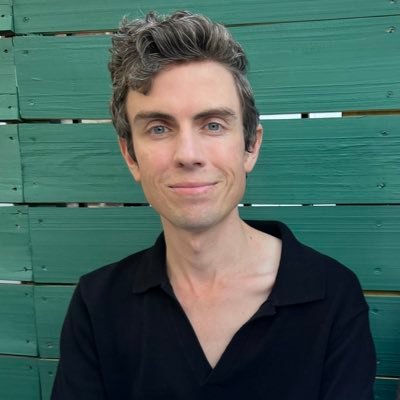
Curt Mills
Curt Mills is the executive director of The American Conservative in Washington, DC. He previously served as senior reporter and contributing editor. His work has appeared in the New York Times, Politico, UnHerd, Newsweek and the Critic. Mills specializes in foreign policy and campaign coverage; he has worked at The National Interest, U.S. News & World Report, Washington Examiner and the Spectator. Mills has previously been awarded a Robert Novak Journalism Fellowship, in which he focused on Donald Trump’s foreign policy. From 2022 to 2024, he was an advisor at a global macro hedge fund in Los Angeles.
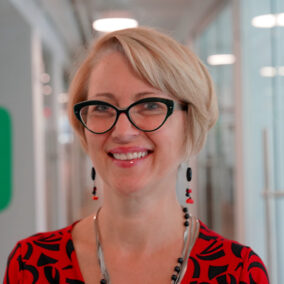
Kelley Beaucar Vlahos
Kelley Beaucar Vlahos is a senior advisor for the Quincy Institute and editor-in-chief at Responsible Statecraft. She comes to QI from The American Conservative, where for three years she served as the magazine’s executive editor. Before joining TAC in 2017, Vlahos served as a contributing editor to the magazine, reporting and publishing regular articles on US war policy, civil liberties, foreign policy, veterans, and Washington politics since 2007. She also organized the magazine’s major annual foreign policy conference for the last three years.