
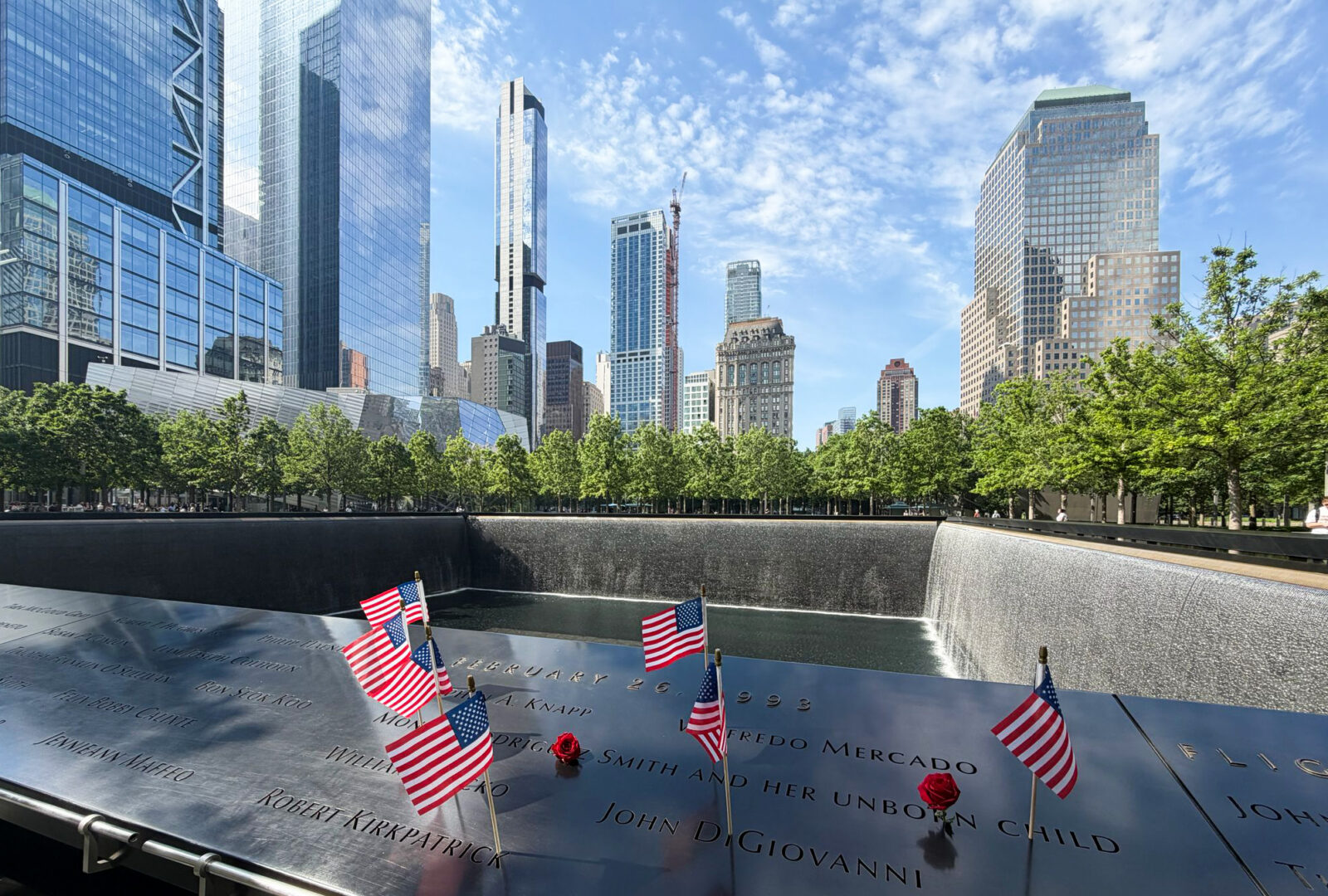
Twenty-Five Years After 9/11: War, Memory, and the World It Created
Twenty-five years after the attacks of September 11, 2001, their consequences continue to shape United States foreign policy, military institutions, and public memory, as well as life across the Middle East and Central Asia.
The Quincy Institute’s Veterans in Foreign Policy Initiative, George Washington University’s Institute for Middle East Studies, and GW Veterans hosted an interdisciplinary panel of scholars of the Middle East and military history to examine how the United States and the Middle East were transformed by 9/11 and the wars that followed. The discussion will consider the evolution of the U.S. military and the “Global War on Terror,” the consequences of prolonged counterinsurgency and nation-building campaigns, the changing politics of the Middle East, and how 9/11 affected the lives of the people who live there, with attention to both state politics and the experiences of ordinary people.
Panelists offered brief presentations followed by an extended moderated discussion and audience questions.
Panelists
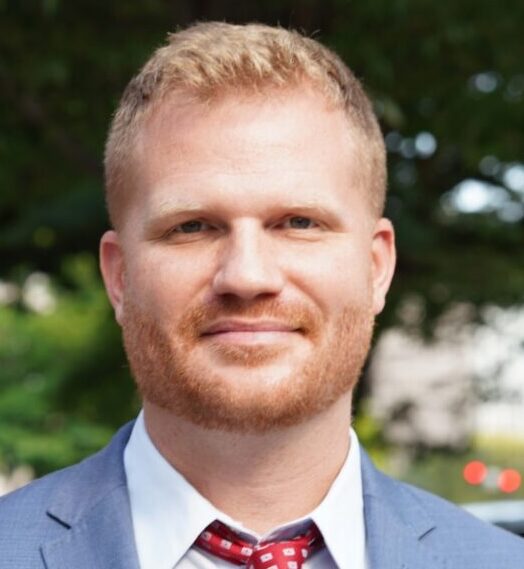
Adam Weinstein
Adam Weinstein is deputy director of the Middle East program at the Quincy Institute and director of QI’s Veterans in Foreign Policy Initiative. His current research focuses on security and rule of law in Afghanistan, Pakistan, and Iraq He is also a non-resident fellow at Tadblab, a think tank and advisory firm based in Islamabad, and regularly travels throughout Pakistan. He served as a US Marine and deployed to Afghanistan in 2012 as part of a detachment to the 2nd Air Naval Gunfire Liaison Company where he served in Uruzgan Province in support of Australia’s 2nd Commando Regiment.
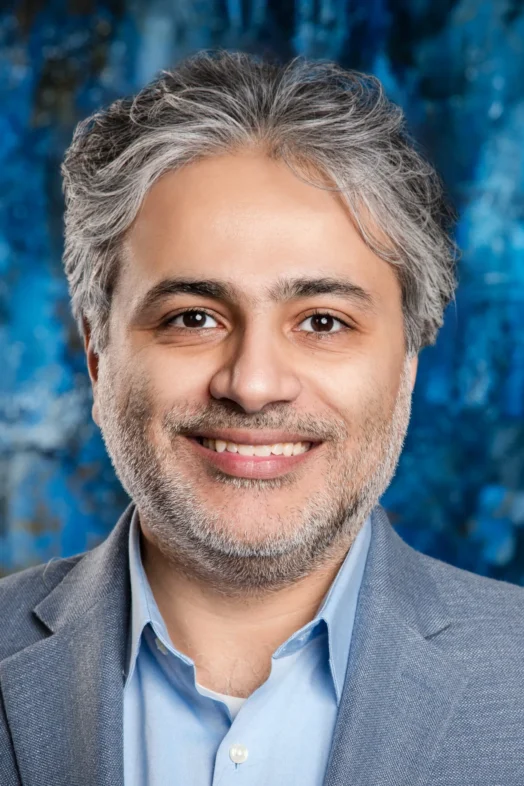
Sultan Alamer
Dr. Sultan Alamer is a Resident Senior Fellow at the Middle East Policy Council and a member of the editorial committee of Alpheratz magazine. He is also a Postdoctoral Fellow at the Center of Middle Eastern Studies at Harvard University. Alamer’s research focuses on nationalism and nation-building, governance and technology, and regional politics in the broader Middle East, with a special focus on the Arab Gulf countries. Alamer is the co-founder and a member of the executive committee of the Arab Political Science Network. He is also a Bucerius Fellow at Zeit-Stiftung Ebling und Gerd Bucerius.
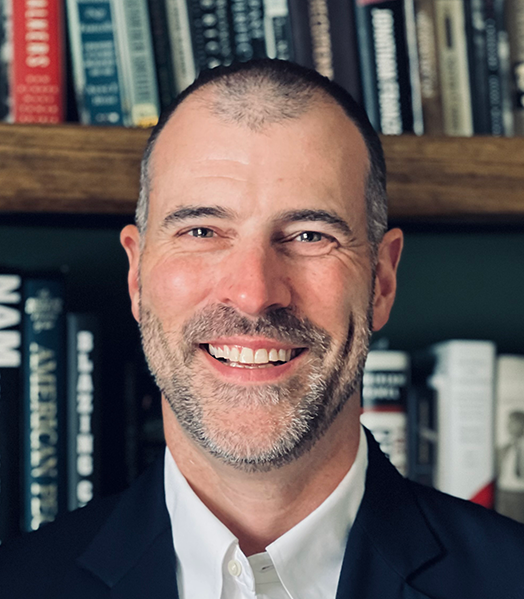
David Kieran
David Kieran is Associate Professor of History and the COL Richard R. Hallock Distinguished University Chair of Military History at Columbus State University. A historian of war, the military, and society in recent U.S. history, he has a particular interest in the U.S. war in Vietnam, the United States’ twenty-first century wars, and the organizational culture of the U.S. Army. Dr. Kieran is the author, editor, or co-editor of five books. His most recent book, “Signature Wounds: The Untold Story of the Military’s Mental Health Crisis” (NYU, 2019) examines how mental health became a signal preoccupation of military medical providers, military leaders, politicians, and the general public during the United States’ twenty-first century wars.
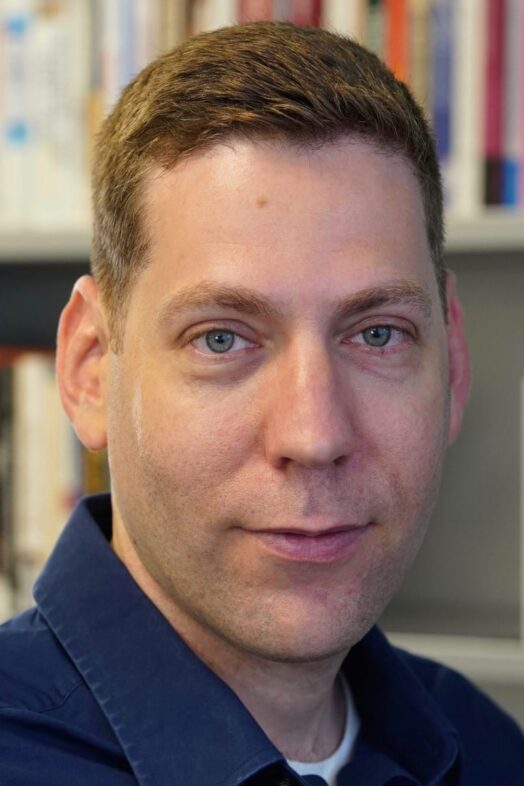
Ilai Saltzman
Dr. Ilai Saltzman is an Associate Research Professor of Israel Studies, and the Director of the Gildenhorn Institute for Israel Studies at the University of Maryland, College Park. His scholarship and teaching focus on international security, Israeli foreign and security policy, US foreign policy, and political psychology. Dr. Saltzman is the author of Securitizing Balance of Power Theory: A Polymorphic Reconceptualization (2012). He has also written numerous scholarly articles and book chapters, and commentaries in the Los Angeles Times, Ha’aretz, The Jerusalem Post, and other prominent outlets.

Melani McAlister
Melani McAlister is the director of the Institute for Middle East Studies and professor of American Studies and International Affairs at George Washington University. Melani McAlister specializes in the multiple “global visions” produced by and for Americans. In her writing and teaching, she focuses on the ways in which cultural and political history intersect, and on the role of religion and culture in shaping US “interests” in other parts of the world, particularly the Middle East and Africa.
Related
War Journalism from Vietnam to Gaza – How War Coverage Impacts U.S. Foreign Policy
On the fiftieth anniversary of the fall of Saigon, a cross-generational reflection on media coverage of America’s wars.
Lessons in Military Deterrence from the Iran War: US Strategy in Contested Waters
What are the Iran War’s implications for a Taiwan contingency?