NEW BOOK: Rethinking US-Korea Policy for Stability and Coexistence on the Korean Peninsula
8 Korea experts call on Washington and Seoul to move past old assumptions, recalibrate the alliance.
FOR IMMEDIATE RELEASE
WASHINGTON DC — US policy toward the Korean Peninsula remains hidebound to assumptions that no longer reflect present realities and that raise the risk of future conflict in East Asia, according to a new collection of essays published today by the Quincy Institute for Responsible Statecraft.
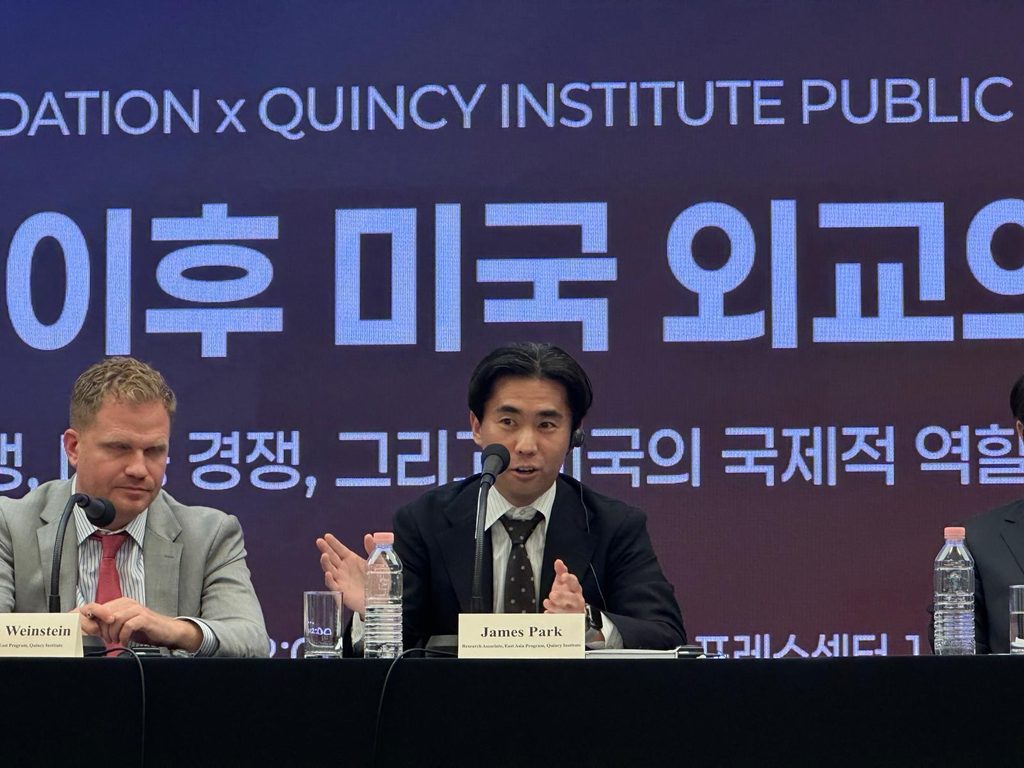
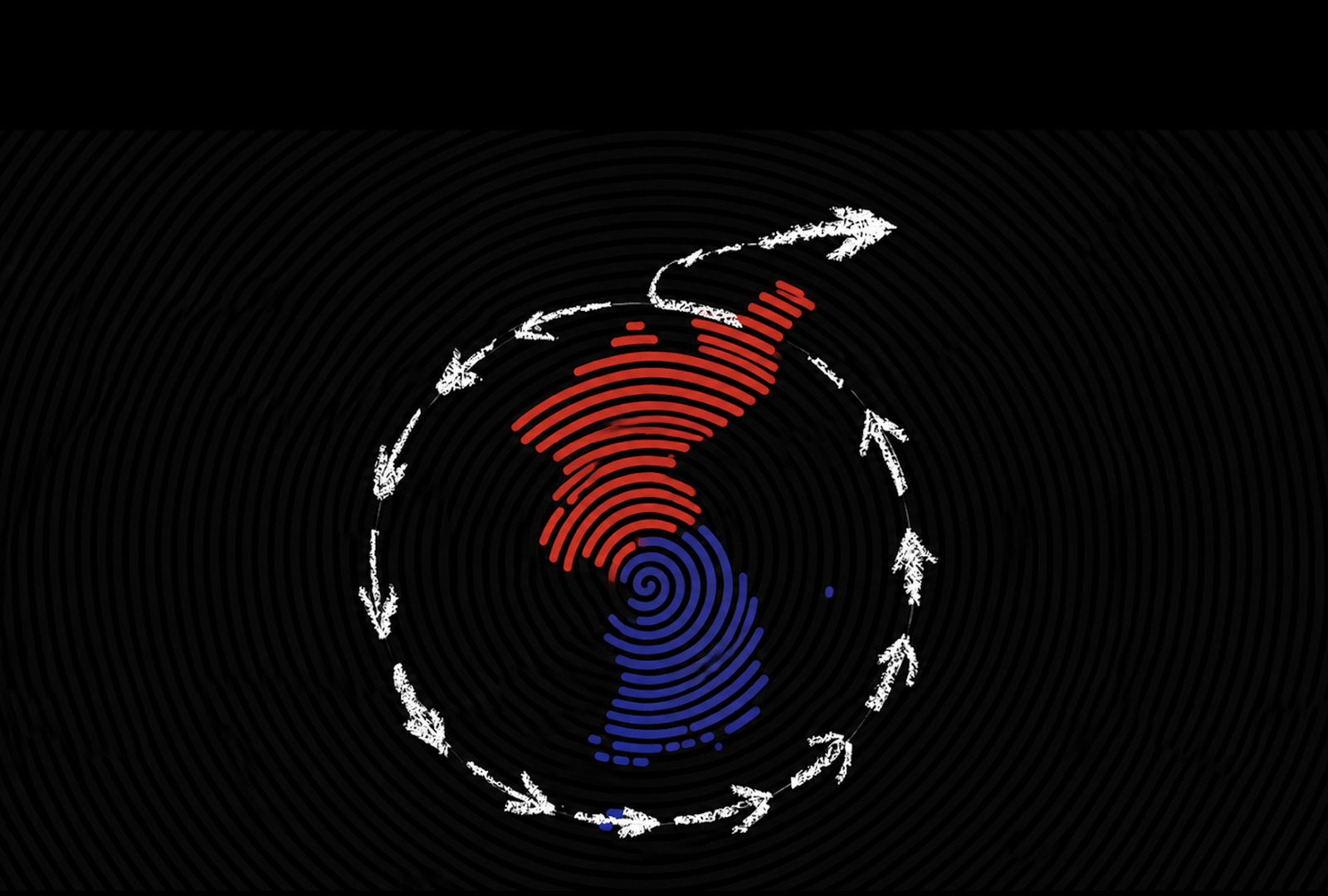
Old Assumptions, New Realities: Rethinking US-Korea Policies, edited by QI Research Associate James Park, offers a fresh blueprint for the Korean Peninsula and the US-South Korea alliance, aimed at stable inter-Korean coexistence, a calmer security environment across East Asia, and a recalibrated alliance.
The eight contributors reflect a wide range of vantage points: nuclear policy experts at Washington’s Carnegie Endowment and Stimson Center; researchers at Seoul’s state-affiliated Korea Institute for National Unification and Korea Institute for Defense Analyses; and academics teaching in Pittsburgh, Nanjing, Seoul, and Wellington. Together, they bring American, South Korean, and regional perspectives to questions Washington has too often debated within closed circles.
“Washington and Seoul need to question old shibboleths and start new conversations about alternatives that may better reflect the strategic environment they now face,” said Park.
The Korean Peninsula has changed dramatically since Trump–Kim diplomacy collapsed in 2019. North Korea has refused US demands for complete denuclearization, and inter-Korean dialogue is at a standstill. Meanwhile, Pyongyang has deepened its security ties with Moscow, including support for Russia’s war in Ukraine, and US-China security competition in the region continues to intensify.
The collection is divided into three sections: “Living with a Nuclear North Korea,” “Creating a More Inclusive Security Environment in Northeast Asia,” and “Rethinking the US–South Korea Alliance.”
The first section calls on the United States to stop pursuing complete North Korean denuclearization and instead center diplomacy on coexistence and risk reduction. The authors reject Washington’s decades-long reliance on economic pressure and diplomatic isolation, and challenge the supposed consequences of dropping denuclearization as a near-term diplomatic goal.
The second section lays out how to keep the peace across the wider region, proposing new multilateral forums that engage all regional actors. It also examines how South Korea can maintain stable ties with both China and the United States to best advance its economic and security interests.
The collection concludes by reconsidering the US-South Korea military relationship, calling for Washington to transfer wartime operational control over South Korea’s conventional defense to Seoul while focusing narrowly on providing nuclear extended deterrence. The final chapter diagnoses the psychological tendencies that have stalled necessary change in the alliance and challenges policymakers to pursue creative, unorthodox approaches to overcome that inertia.
“Conventional wisdom from years past is simply inadequate. This volume is meant to broaden the scope of debate in Washington and Seoul at a time when doing so is more urgent than ever,” said Park.
Authors and chapters:
Part One: Living with a Nuclear North Korea
• Ankit Panda, “The Third Nuclear Deterrence Relationship”
• So Jin Lee, “Beyond Pressure: Rethinking Carrots and Sticks in North Korea Policy”
• Jenny Town, “A Nuclear North Does Not Mean a Nuclear South”
• Sangsin Lee, “Beyond the Unification Dream: Navigating Coexistence and New Paths for Peace”
Part Two: Creating a More Inclusive Security Environment in Northeast Asia
• John Delury, “Reviving Regional Diplomacy for Korean Peace”
• Kyuri Park, “Security Cooperation with China Is Back on South Korea’s Table”
Part Three: Rethinking the US–South Korea Alliance
• Jaewoo Jun, “Sheathing the Dagger: The Case for a Narrower US Role in Korea”
• Jeffrey Robertson, “Thinking Beyond the Comfort Zone”
###