
Europe and Trump’s National Security Strategy
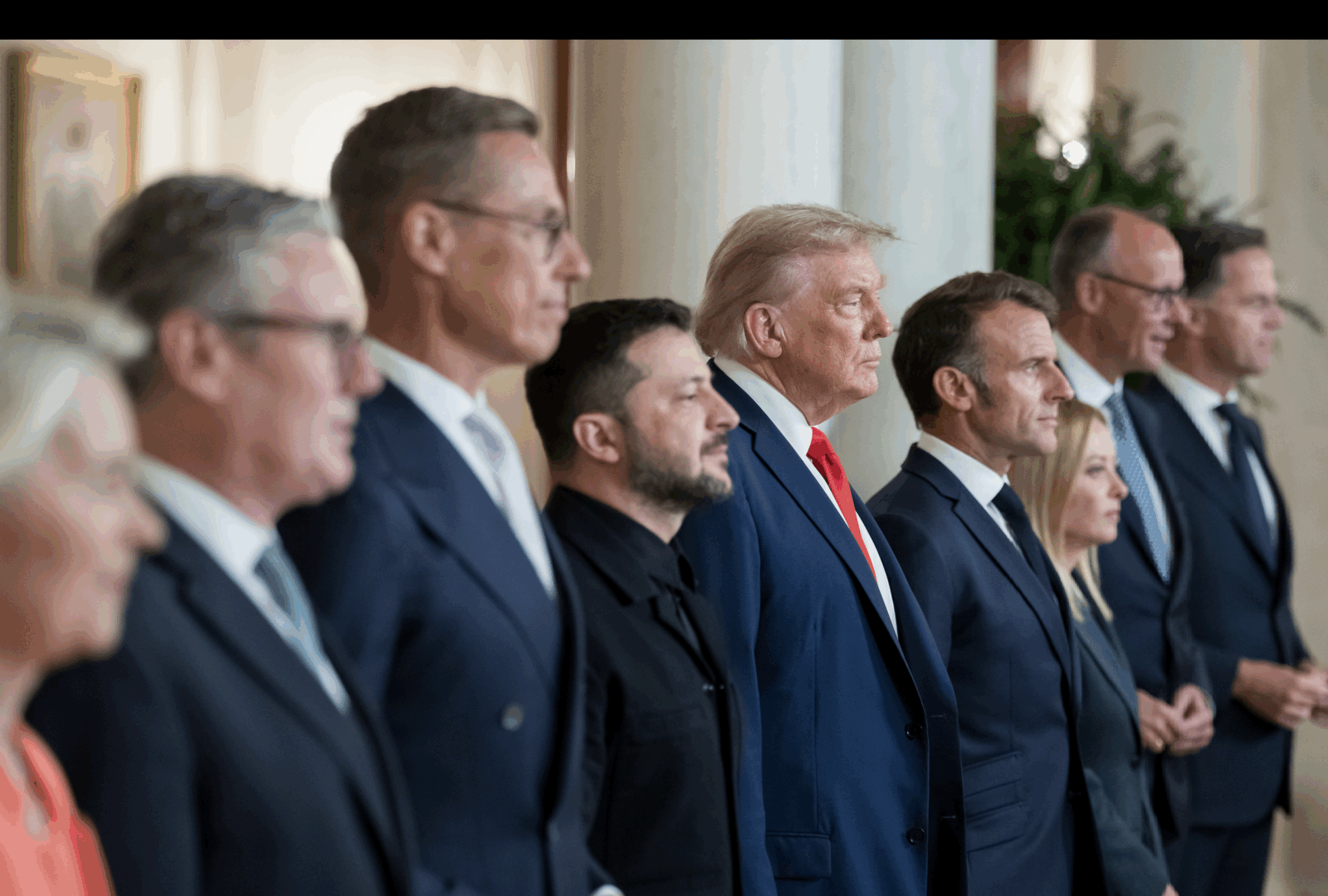
The Trump administration’s new National Security Strategy seeks sweeping changes to the way the U.S. engages with the rest of the world. Nowhere is this new thinking more apparent than in its approach to Europe, which goes beyond calls for increased burden sharing and instead proposes a more fundamental recalibration of the transatlantic relationship that emerged after 1945 and persisted through the post-Cold War period. What exactly does this shift entail and what are its broader implications?
To discuss these questions and more, the Quincy Institute held a conversation featuring Anatol Lieven, director of the Eurasia Program at the Quincy Institute for Responsible Statecraft and Andrew Bacevich Chair in US Diplomatic History, Stephen Wertheim, senior fellow in the American Statecraft Program at the Carnegie Endowment for International Peace; and Jennifer Kavanagh, senior fellow & director of Military Analysis at Defense Priorities. Mark Episkopos, research fellow at the Quincy Institute for Responsible Statecraft, moderated.
Panelists
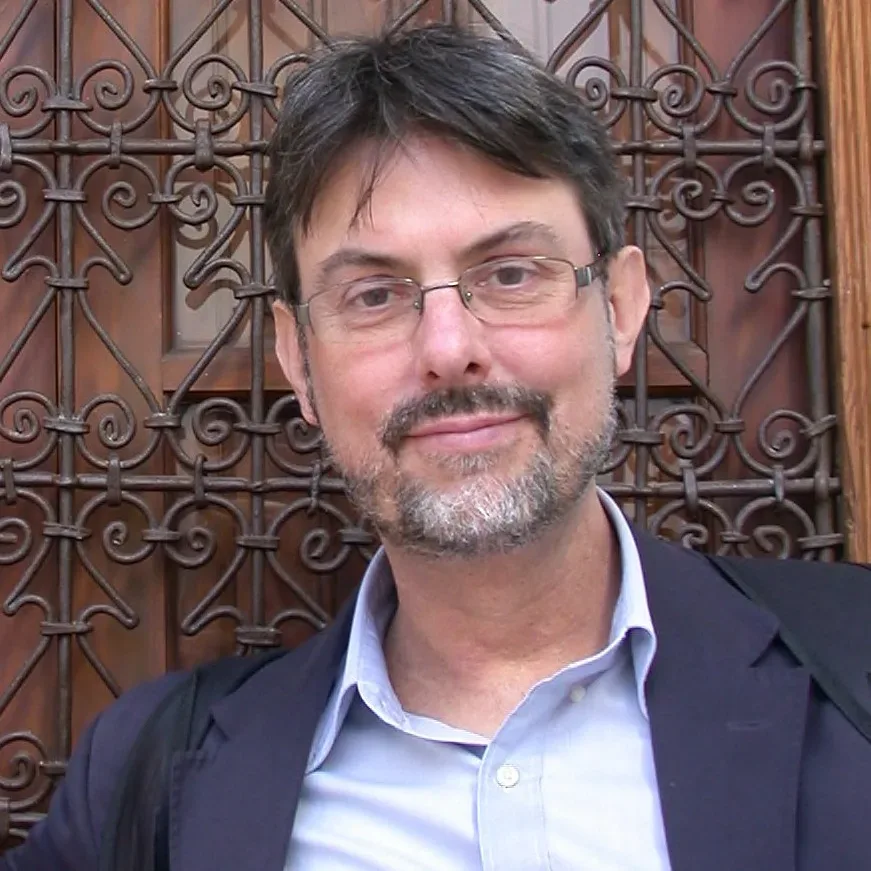
Anatol Lieven is director of the Eurasia Program and the Andrew Bacevich chair in American Diplomatic History at the Quincy Institute for Responsible Statecraft. He was formerly a professor at Georgetown University in Qatar and in the War Studies Department of King’s College London. He also served as a member of the advisory committee of the South Asia Department of the British Foreign and Commonwealth Office and of the academic board of the Valdai discussion club in Russia. He holds a B.A. and Ph.D. in history and political science from Cambridge University in England. From 1985 to 1998, Lieven worked as a journalist in South Asia, the former Soviet Union and Eastern Europe and covered the wars in Afghanistan, Chechnya and the southern Caucasus. From 2000 to 2007 he worked at think tanks in Washington DC.
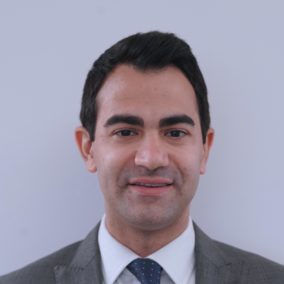
Stephen Wertheim is a senior fellow in the American Statecraft Program at the Carnegie Endowment for International Peace. He analyzes America’s role in the world—past and present—in order to address current problems in U.S. strategy and diplomacy. In the 2025-26 academic year, he is a visiting lecturer at Yale Law School. A historian, Wertheim has published scholarly research on a range of subjects and concepts in U.S. foreign policy since the late nineteenth century. He is the author of “Tomorrow, the World: The Birth of U.S. Global Supremacy” (Harvard University Press, 2020), a Foreign Affairs book of the year, which reveals how the United States decided to pursue global military dominance as an effectively perpetual project.

Jennifer Kavanagh is a senior fellow & director of military analysis at Defense Priorities. A political scientist by training, Kavanagh has spent her career studying U.S. national security and defense policy. Kavanagh’s research focuses on U.S. military strategy, force structure and defense budgeting, the defense industrial base, and U.S. military deployments and interventions. Previously, Kavanagh was a senior fellow in the American Statecraft Program at the Carnegie Endowment for International Peace. She also worked as a senior political scientist at the RAND Corporation, where she led projects for defense and national security clients. She served for three years as director of RAND’s Army Strategy program.
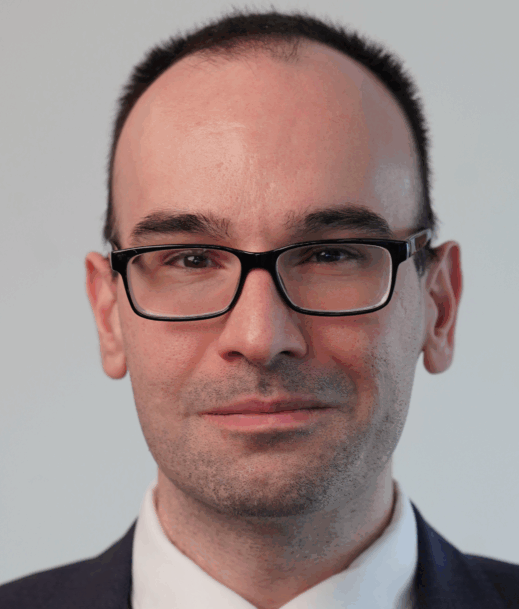
Mark Episkopos is a research fellow in the Quincy Institute’s Eurasia Program. He is also an adjunct professor of History at Marymount University. Episkopos holds a Ph.D. in history from American University and a masters degree in international affairs from Boston University. His research focuses on great power competition and the international system, the transatlantic relationship, Russian foreign policy, military thought and capabilities, and domestic politics, and issues in Eastern European security. Episkopos was previously the National Security Reporter for The National Interest, where he wrote widely on military and foreign affairs topics.