
Working Around the Great Powers?
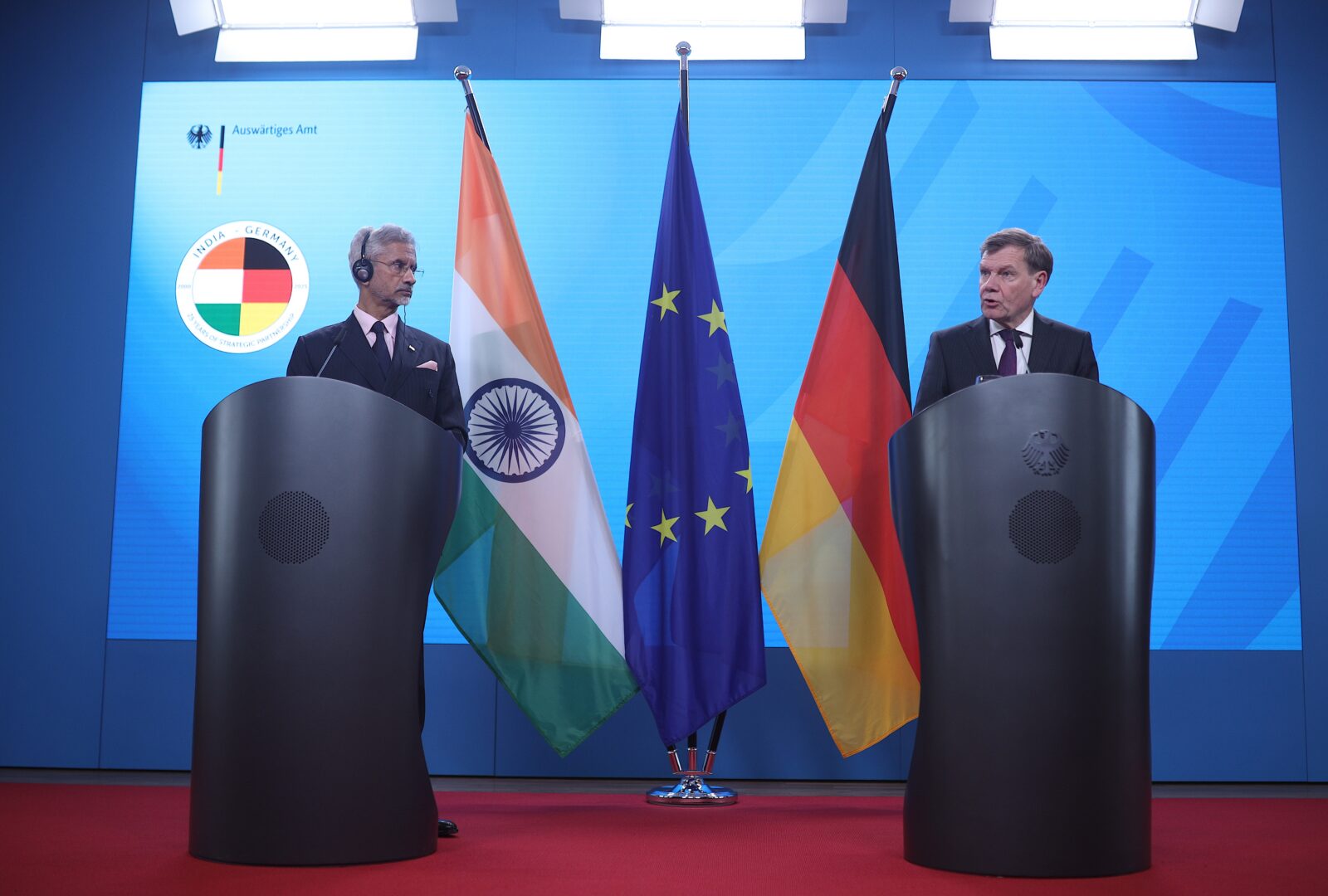
A discussion of how middle powers are cooperating to pursue their own national interests in the face of geopolitical competition.
The January 2026 speech by Canadian prime minister Mark Carney brought a dramatic spotlight to the question of how middle powers can protect their interests in a world increasingly dominated by U.S.-China rivalry and with few agreed-on international rules to protect other nations. The implications of such a world appear bleak for middle powers: accept the growing costs of aligning with one hegemon or seek to hedge both, all while navigating an ecosystem that may require technologies, inputs and infrastructure from the U.S. or China.
However, new research from QI non-resident fellow Laura Mahrenbach and her team shows that technologically capable middle powers are increasingly choosing an alternative path: small group, pragmatic, issue-based cooperation that excludes the US and China. Such “workarounding” empowers middle powers to prioritize their own interests while building networks that boost capabilities and preserve a degree of policy autonomy.
Join us for a discussion of where and how workarounding is occurring, its chances for success, and its implications for the US and China. We will be joined by Mahrenbach, Gedaliah Afterman, co-founder of Geo Horizon, and Sarang Shidore, director of the Global South program at the Quincy Institute. Marcus Stanley, director of studies at the Quincy Institute, will moderate.
The conversation will take place on Monday, November 30th from 11:00 AM – 12:00 PM ET.
Panelists
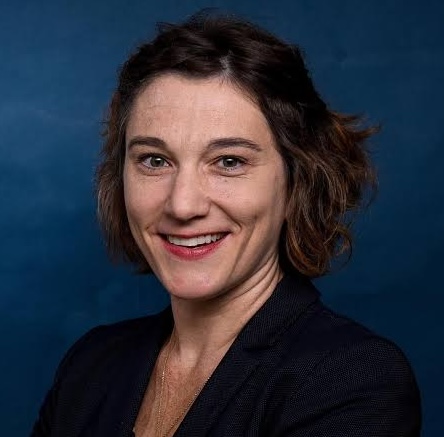
Laura Mahrenbach
Laura Mahrenbach is a non-resident fellow at the Quincy Institute and an adjunct professor at the Technical University of Munich. Her current research explores how global power shifts and technology interact, with a special focus on AI and big data in emerging markets, including BRICS. Previous work examined dilemmas of national and global governance in trade, development, and finance. Dr. Mahrenbach has written extensively on these topics for academic and general audiences and is a frequent speaker in global policy and academic dialogues such as the Raisina Dialogue, the Transatlantic Digital Debates, the Sino–German Forum and the Cape Town Conversations. Her recent co-edited book proposes a new strategy — workarounding — to explain how middle powers are navigating U.S.–China technological competition.
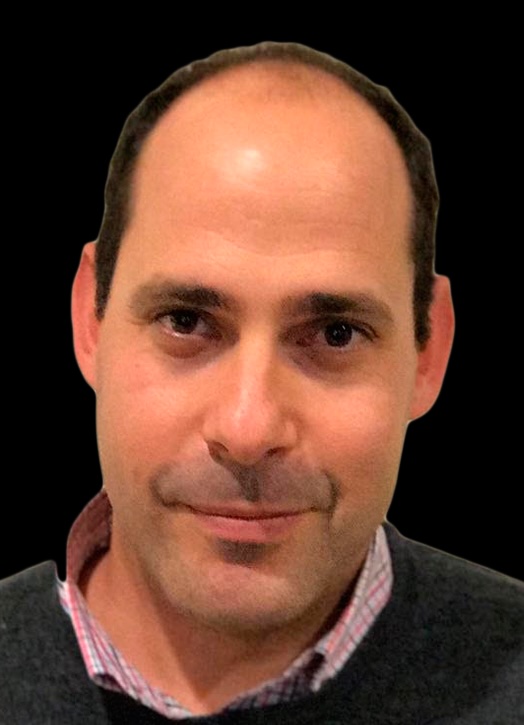
Gedaliah Afterman
Gedaliah Afterman is head of the Asia Policy program at the Abba Eban Institute for Diplomacy & International Relations, Reichman University. His work focuses on Asian regional security, Chinese foreign policy, superpower competition, and the growing role of middle powers in Asia and the Middle East. He works closely with regional and international partners on advancing Asia–Middle East–Europe strategic cooperation, including in the context of the Abraham Accords. He previously served as an international strategic policy specialist at the Australian Department of Foreign Affairs and Trade, and as a diplomat at the Australian Embassy in Beijing, where he worked on China’s foreign policy, including its engagement in the Middle East.
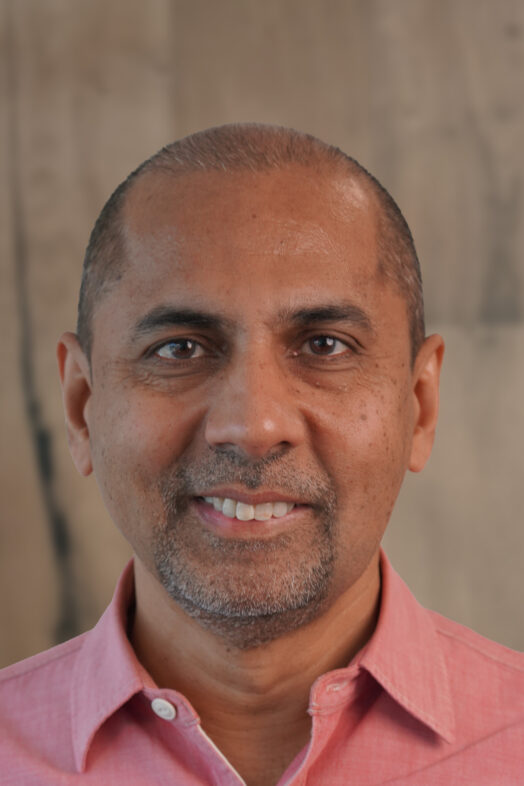
Sarang Shidore
Sarang Shidore is director of the Global South Program at the Quincy Institute. He was also a member of the adjunct faculty at George Washington University, where he taught a class on the geopolitics of climate change. His research focuses on the Global South in the global order, Asian security, and climate geopolitics. Sarang has published in Foreign Affairs, Foreign Policy, The New York Times, The Nation, South China Morning Post, The Diplomat, Council on Foreign Relations, Energy Policy, Energy Research & Social Science and others. He currently also serves as co-chair in the think-tank track (T20) of the G20 meetings.
Marcus Stanley
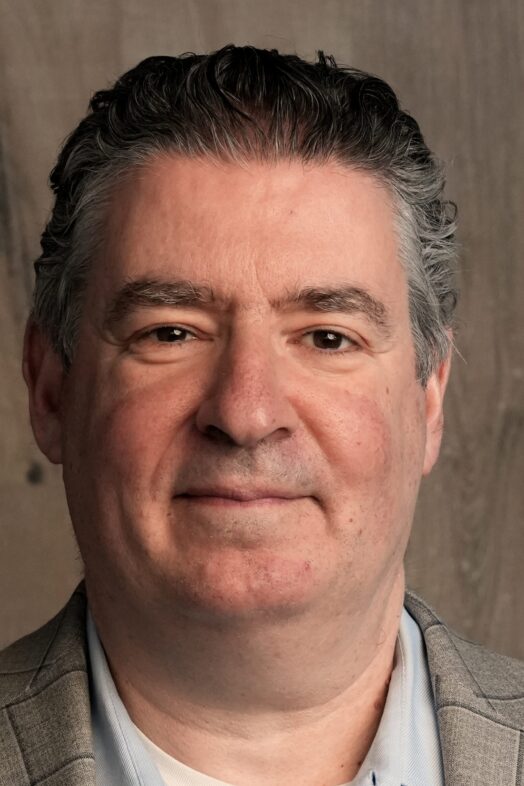
Marcus Stanley is director of studies at the Quincy Institute for Responsible Statecraft. Dr. Stanley has a PhD in public policy from the Kennedy School of Government. Prior to joining the Quincy Institute he had a background as an economist, including as an assistant professor in the Department of Economics at Case Western Reserve University, a senior economist at the Joint Economic Committee of the U.S. Congress, an economic and policy advisor to Senator Barbara Boxer, and the policy director at Americans for Financial Reform, where he played a leadership role in efforts to reform regulation of the U.S. financial system.