Why North Korean Denuclearization Is No Longer Possible
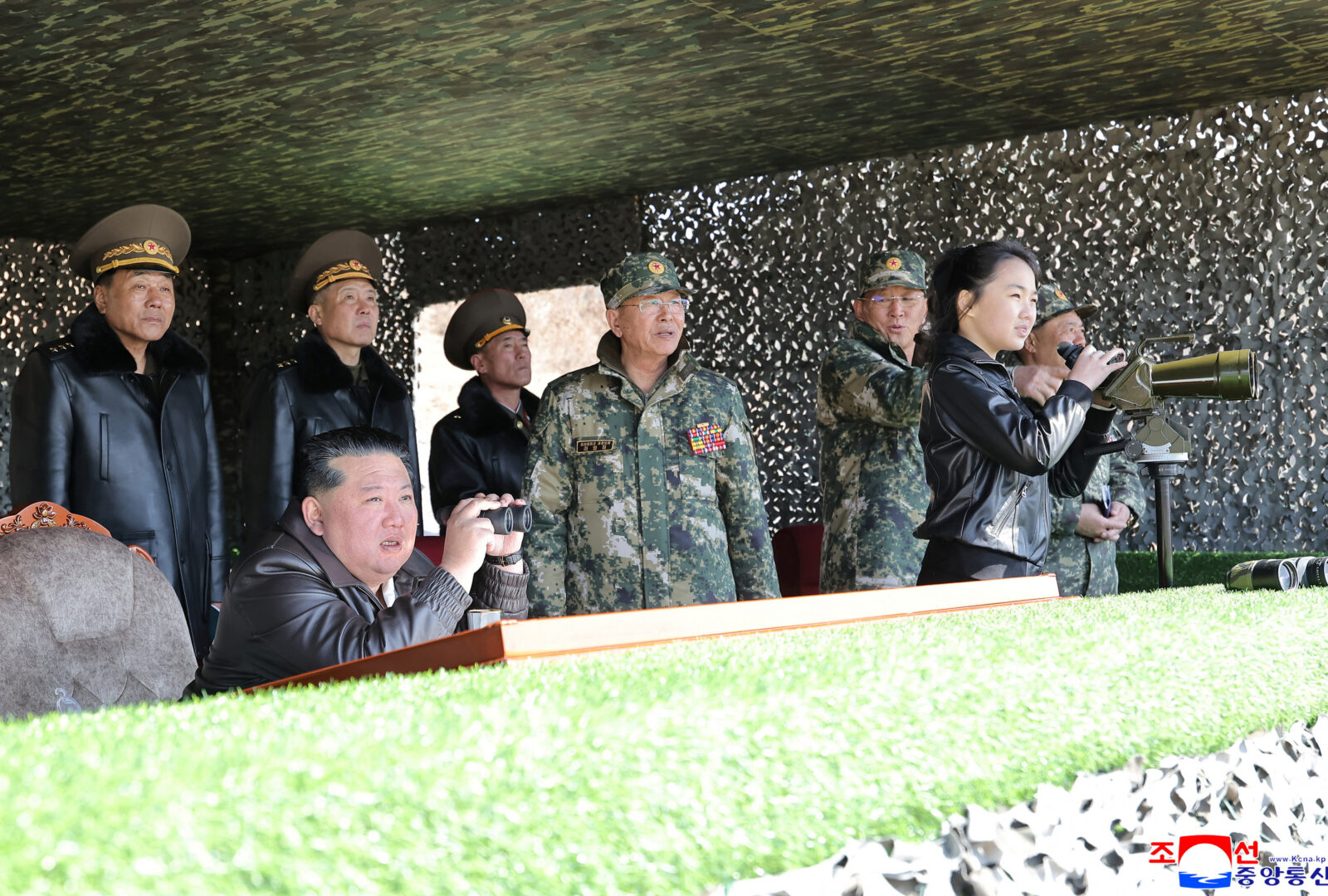
At North Korea’s Ninth Party Congress in late February, Kim Jong-un delivered a speech, reiterating that his country’s nuclear status—which was enshrined in the North Korean Constitution in 2023—is “completely and absolutely irreversible,” and denuclearization “can never happen.” Adding to that, Kim signaled openness to conditional engagement with the United States, suggesting that “if the US respects the present position of our state specified in the Constitution…and withdraws its hostile policy toward the DPRK, there is no reason why we cannot get on well with the US.”
Kim’s speech is another reaffirmation of Pyongyang’s consistent signal to Washington throughout the past year: it is willing to re-engage, provided that certain preconditions are met. Among them, the most emphatically stressed North Korean demand is that the United States stop pursuing “denuclearization.” Pyongyang has made this point abundantly clear in multiple public statements, including another speech by Kim Jong-un in September 2025, in which he acknowledged his “good memor[ies]” with President Donald Trump but asserted that there will be no talks without the United States “freeing itself from its absurd pursuit of denuclearization.”
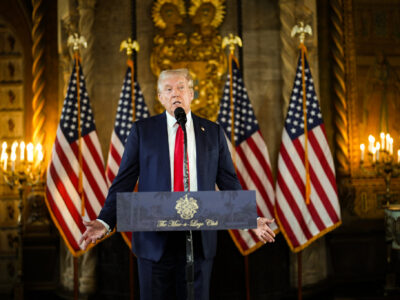
In reaction to Kim’s speech, the White House responded by saying that “US policy on North Korea has not changed. President [Donald] Trump remains open to talking with Kim Jong-un without any preconditions.” From North Korea’s perspective, the White House statement attaches unacceptable preconditions. It does not specifically mention denuclearization, but the line “US policy on North Korea has not changed” suggests that denuclearization remains the US goal.
If the Trump administration has any desire to resume diplomacy with North Korea, simply repeating that it is open to talks without preconditions is, at best, insufficient. Washington would have to make a bold decision to take denuclearization off the table.