Iran’s Economy May Outlast Trump’s Presidency
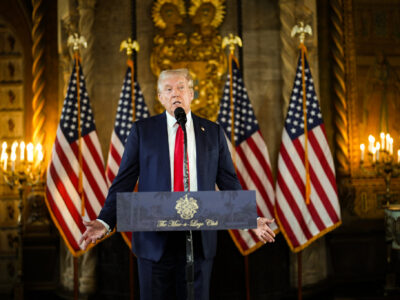
As Iran’s economic woes become harder to hide, the Trump administration is increasingly convinced that tightening pressure will eventually work. On Aug. 19, the U.S. president announced “the most crushing economic operation ever taken against any country.” Iran’s economy is certainly battered. Since the war began, the rial has depreciated, and prices have risen. President Masoud Pezeshkian has acknowledged that the country’s revenues have also fallen sharply. U.S. President Donald Trump’s team sees this as evidence that, despite the failure of heavy bombing campaigns to topple Tehran’s government, Iran’s economy is approaching a point of no return.
But how close is Iran’s economy to collapse? How long can it hold out, and how much further economic pain is needed to alter the leadership’s thinking? Iran’s capacity to absorb the pain is not unlimited, but that does not mean that collapse is imminent, let alone on Trump’s timetable. Even a severe economic breakdown will not necessarily force Tehran into capitulation.
For economic pressure to fundamentally alter Tehran’s calculation, there are only two options. Firstly, it could be paired with credible economic incentives and a political off-ramp to make restraint more valuable than resistance, as the original Joint Comprehensive Plan of Action attempted. The alternative is to break Iran’s capacity to absorb shocks and adapt. In that scenario, the economic pain might translate into political pressure to bring about Washington’s desired changes in Tehran—namely, a full collapse of the government itself and, theoretically, its replacement with a more U.S.-friendly alternative. The Trump administration increasingly appears to be pursuing this second path.
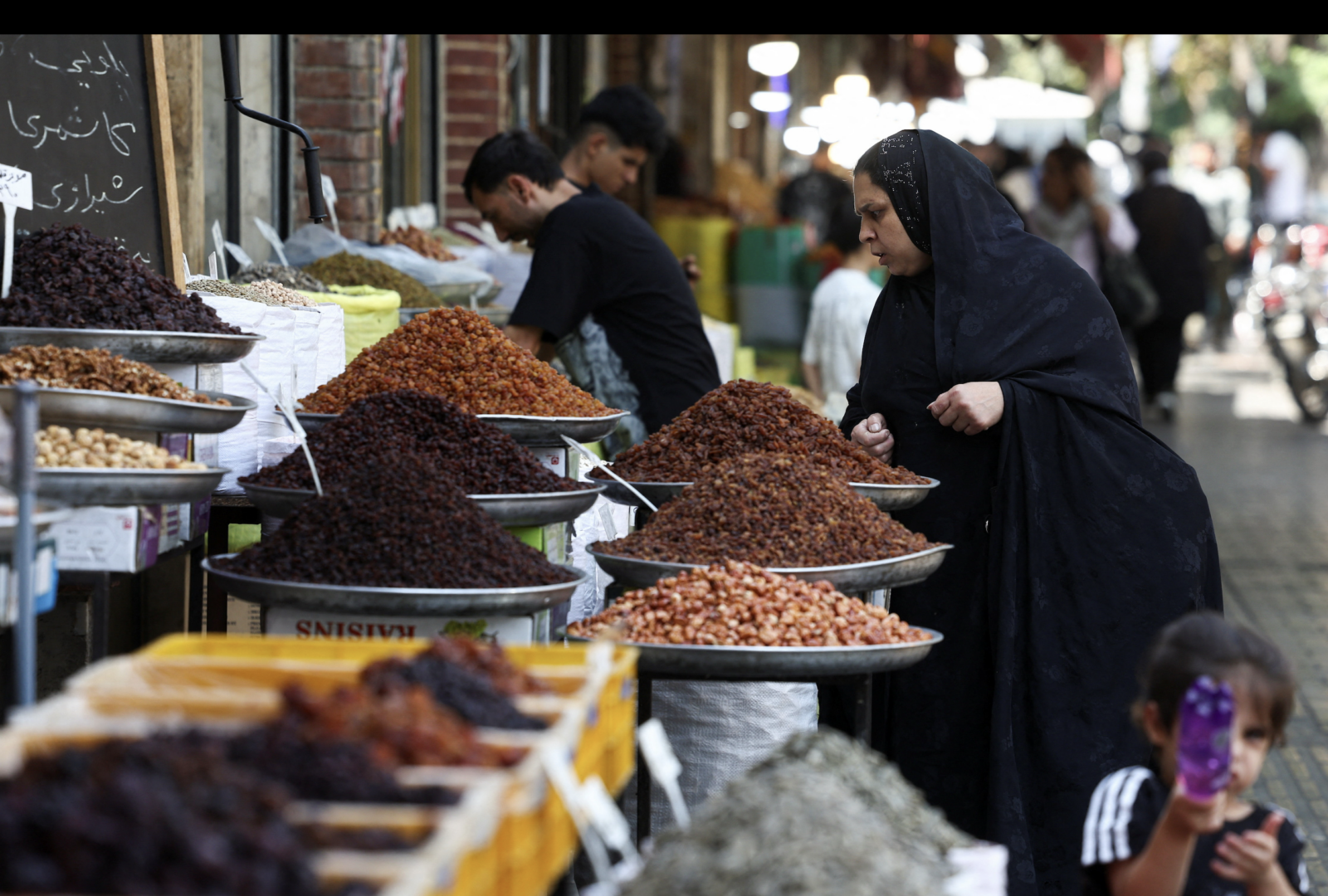
Prolonged economic sanctions since 2011 have already severely damaged Iran’s economy. Iran has absorbed the pain through higher inflation and the devaluation of the national currency. While Iranians’ real purchasing power has declined, goods continue to flow through formal and informal trade networks. As such, inflation increased, but shelves were not empty. The economy gradually adapted through further diversification of trade and domestic production, expansion of a shadow network for sanctions evasion, and the provision of social protection programs.